
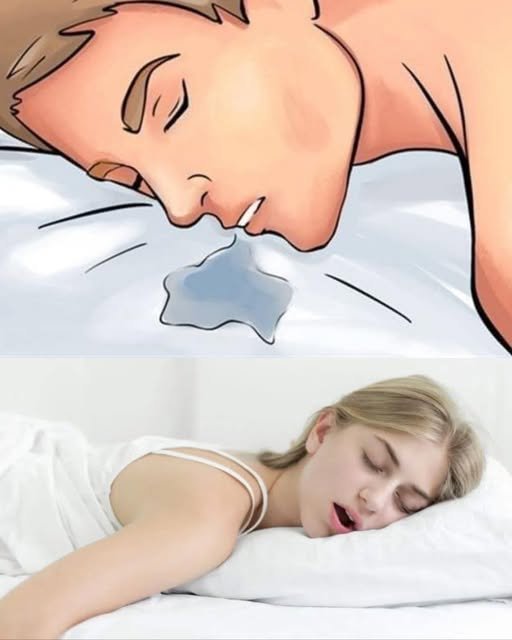
Why Drooling During Sleep Happens: Common Causes, Helpful Tips, and When to See a Doctor
Waking up to a damp pillow can be surprising, but drooling during sleep is far more common than many people realize. For most people, it’s completely normal and doesn’t signal a serious health problem. In many cases, it simply happens because the muscles in your face relax during deep sleep, allowing saliva to escape from your mouth.
However, if drooling suddenly becomes excessive, happens only on one side, or is accompanied by other symptoms such as trouble swallowing or speaking, it may be worth discussing with a healthcare professional. Understanding the possible causes can help you decide whether it’s a harmless habit or something that deserves medical attention.
Why Do People Drool While Sleeping?
Your body naturally produces saliva throughout the day and night. Saliva keeps your mouth moist, helps digest food, and protects your teeth and gums from harmful bacteria.
During sleep, swallowing becomes less frequent. If your mouth remains open, saliva can collect and leak out, especially when you’re sleeping on your side or stomach.
For most healthy adults, occasional drooling is simply part of normal sleep.
Common Causes of Nighttime Drooling
1. Sleeping Position
Your sleeping position is one of the biggest reasons for drooling.
People who sleep on their side or stomach are more likely to drool because gravity allows saliva to flow out of the mouth more easily. Sleeping on your back often reduces this tendency.
2. Nasal Congestion
Blocked nasal passages make it difficult to breathe through the nose, causing many people to sleep with their mouths open.
Common causes include:
- Seasonal allergies
- Common cold
- Sinus infections
- Deviated septum
- Nasal polyps
Mouth breathing often leads to:
- Drooling
- Dry mouth in the morning
- Snoring
- Poor sleep quality
Treating the underlying nasal problem may significantly reduce drooling.
3. Deep Sleep
During the deeper stages of sleep, facial muscles become more relaxed.
As swallowing slows and muscle tone decreases, saliva is more likely to escape from the mouth. This is considered a normal part of healthy sleep.
4. Acid Reflux (GERD)
People with acid reflux sometimes produce extra saliva, particularly at night.
The body increases saliva production to help neutralize stomach acid that reaches the throat.
Other symptoms may include:
- Heartburn
- Sour taste in the mouth
- Nighttime coughing
- Hoarseness in the morning
Managing reflux often improves nighttime drooling.
5. Oral Health Issues
Dental and mouth problems can temporarily increase saliva production.
Examples include:
- Gum disease
- Tooth infections
- Mouth ulcers
- Sore throat
- Recently fitted braces or dentures
Once the irritation is treated, saliva production often returns to normal.
6. Certain Medications
Some prescription medicines may increase saliva production as a side effect.
These can include certain medications used for:
- Mental health conditions
- Alzheimer’s disease
- Pain management
- Seizure disorders
Never stop taking prescribed medication without consulting your healthcare provider.
Is Drooling During Sleep Dangerous?
Usually, no.
Occasional drooling is considered harmless and affects millions of people worldwide.
In many cases, it simply reflects:
- Relaxed facial muscles
- Side sleeping
- Temporary nasal congestion
- Deep sleep
It does not necessarily indicate poor health.
Simple Ways to Reduce Drooling
If drooling bothers you, these habits may help:
Sleep on Your Back
Changing your sleeping position may reduce saliva from escaping.
Keep Your Nose Clear
Managing allergies or treating congestion can encourage nasal breathing.
Stay Hydrated
Drinking enough water helps maintain healthy saliva consistency and supports oral health.
Practice Good Oral Hygiene
Brush twice daily, floss regularly, and schedule routine dental checkups.
Elevate Your Head
Using an extra pillow may help reduce acid reflux and improve nighttime breathing.
Maintain a Healthy Weight
For some people, excess weight can contribute to snoring and sleep-disordered breathing, which may increase drooling.
When Should You See a Doctor?
Although occasional drooling is usually harmless, medical evaluation is recommended if you experience:
- Sudden excessive drooling
- Drooling on only one side of the mouth
- Difficulty swallowing
- Trouble speaking
- Facial weakness
- Frequent choking during sleep
- Loud snoring with pauses in breathing
- Persistent drooling that doesn’t improve
These symptoms may indicate an underlying condition that requires professional assessment.
Frequently Asked Questions
Is drooling while sleeping normal?
Yes. Occasional drooling is very common and is usually caused by relaxed muscles, side sleeping, or mouth breathing.
Can allergies cause drooling?
Yes. Allergies can block the nose, leading to mouth breathing, which often increases drooling during sleep.
Does acid reflux increase saliva?
It can. Some people with acid reflux produce extra saliva as the body attempts to protect the throat from stomach acid.
Can stress cause drooling?
Stress itself isn’t a common direct cause, but it can contribute to poor sleep, acid reflux, or medication use that may increase drooling.
Should I worry about drooling every night?
Not necessarily. If you’ve always drooled occasionally and have no other symptoms, it’s usually harmless. If drooling is new, severe, or accompanied by difficulty swallowing or other neurological symptoms, seek medical advice.
Final Thoughts
Drooling during sleep is usually a normal part of how the body functions. Sleeping position, nasal congestion, deep sleep, and temporary illnesses are among the most common reasons it happens. In most cases, simple lifestyle changes—such as improving nasal breathing, maintaining good oral hygiene, and adjusting your sleeping position—can help reduce it.
If drooling suddenly becomes excessive, is one-sided, or occurs along with swallowing difficulties, facial weakness, or other concerning symptoms, it’s important to consult a healthcare professional. Paying attention to changes in your body is one of the best ways to protect your overall health and well-being.