
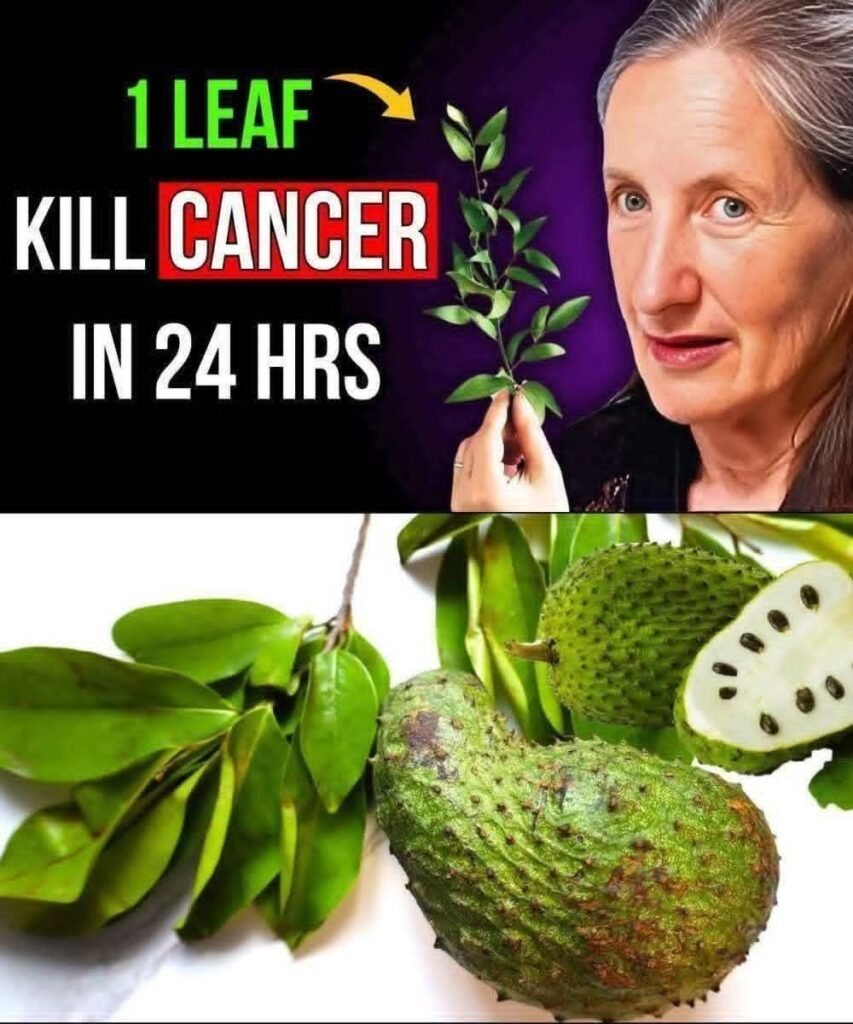
Soursop Leaves: Tradition, Research & Safety
Soursop (Annona muricata), also known as graviola or guanábana, is a tropical fruit tree grown in many parts of the Caribbean, Central and South America, Africa, and Southeast Asia. Both the fruit and leaves have long been used in traditional practices.
Traditional Uses of Soursop
In many cultures, soursop has traditionally been used for:
- Herbal tea: Dried leaves brewed into tea.
- Food and beverages: The fruit is eaten fresh or used in juices, smoothies, desserts, and other recipes.
- Traditional wellness practices: Used as part of cultural and herbal traditions.
These traditional uses are part of cultural practices and should not be considered medical treatments.
What Does the Research Say?
Scientists have identified naturally occurring compounds in soursop called annonaceous acetogenins, which have shown biological activity in laboratory studies.
Most research has been conducted in test tubes or animal models, and these findings do not demonstrate that soursop treats disease in people.
At present, there is no high-quality clinical evidence that soursop leaves or soursop leaf tea treat, cure, or prevent cancer in humans.
Claims such as “one soursop leaf kills cancer in 24 hours” or “soursop is better than chemotherapy” are not supported by reliable scientific evidence.
Safety Considerations
Although soursop is a natural plant, “natural” does not always mean safe.
Important safety considerations include:
- Nerve health: Long-term or high intake has been associated in some research with neurological problems, possibly related to compounds such as annonacin.
- Medication interactions: Soursop may affect blood pressure or blood sugar and could interact with medications used for high blood pressure, diabetes, or Parkinson’s disease.
- Pregnancy and breastfeeding: Avoid medicinal use because there is not enough reliable safety information.
- Kidney or liver disease: People with these conditions should avoid using concentrated soursop products unless advised by a healthcare professional.
- No established therapeutic dose: There is no proven or safe dosage of soursop leaves for treating cancer or other serious illnesses.
What Supports Cancer Care?
For people concerned about cancer, the strongest evidence supports:
- Participating in recommended cancer screening programs when appropriate.
- Seeking prompt medical evaluation for concerning symptoms.
- Following treatments recommended by qualified oncology professionals, which may include surgery, chemotherapy, radiation therapy, immunotherapy, targeted therapy, or other evidence-based approaches.
- Eating a balanced, nutritious diet to help maintain strength during treatment.
- Asking your healthcare team whether a clinical trial may be appropriate.
- Seeking a second opinion from a board-certified oncologist if desired.
When to See a Doctor
Seek medical evaluation if you notice symptoms such as:
- A new or growing lump
- Unexplained weight loss
- Persistent pain
- Changes in a mole or other skin changes
- Unusual bleeding
- A persistent cough, difficulty swallowing, or other symptoms that do not improve
Do not delay medical evaluation or recommended cancer treatment while trying home remedies or herbal products.
Final Thoughts
Soursop is a tropical plant with a long history of traditional use and compounds that continue to be studied by researchers. However, current scientific evidence does not show that soursop leaves treat or cure cancer in humans.
If you are considering using herbal products alongside medical treatment, discuss them with your healthcare team to help avoid unwanted side effects or medication interactions.
Disclaimer: This article is for informational and educational purposes only and is not medical advice. It is not intended to diagnose, treat, cure, or prevent any disease. Always consult a qualified healthcare professional before using herbal products, especially if you have a medical condition, are pregnant or breastfeeding, or take prescription medications.