
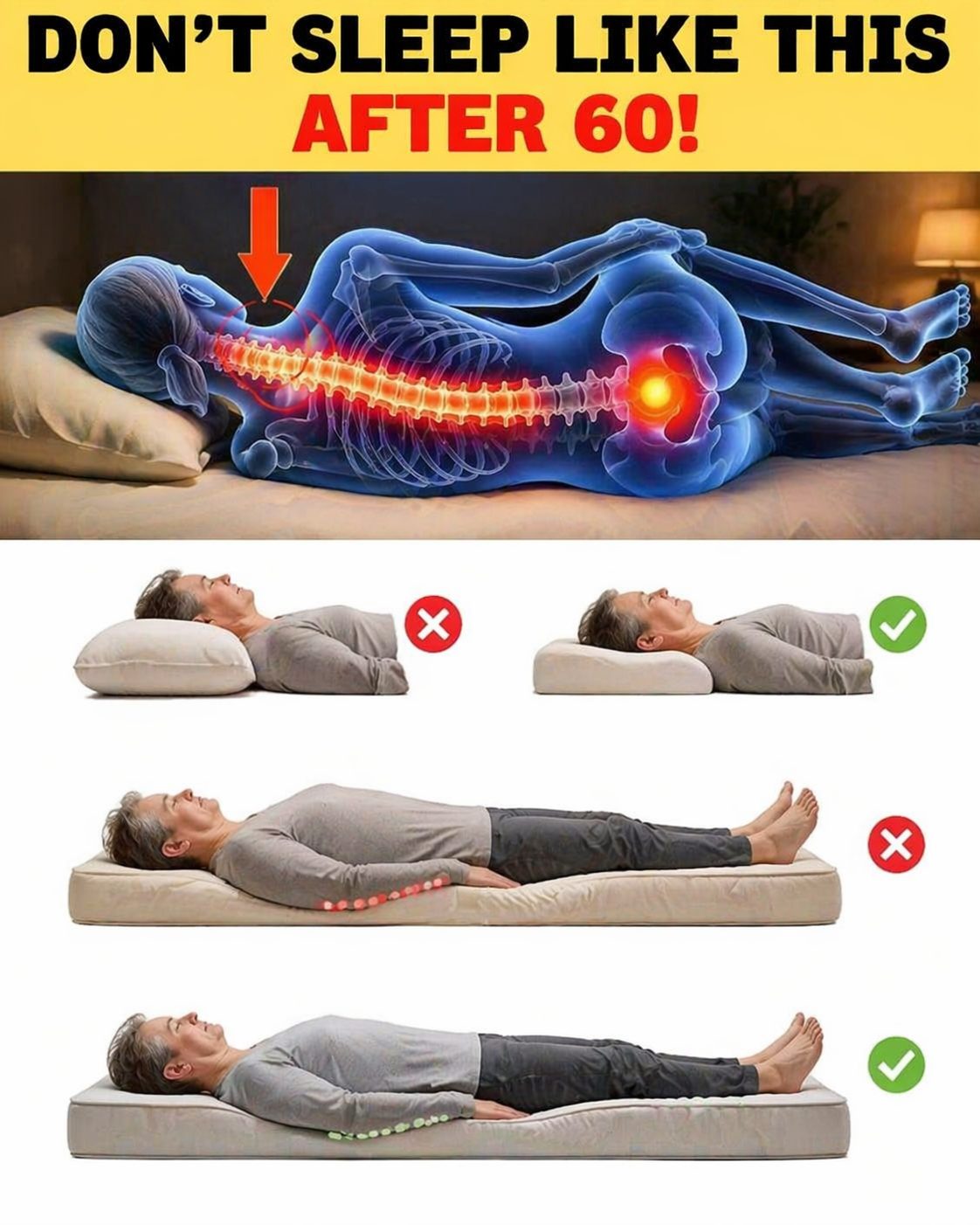
SENIORS! Avoid These 7 DEADLY Sleep Habits Immediately!
Many videos and articles use titles like “7 deadly sleep habits” to grab attention, but there are several sleep behaviors that become more risky with age because they affect heart health, memory, balance, metabolism, and overall recovery.
Here are 7 genuinely important sleep habits older adults should avoid:
- Sleeping too little consistently
Regularly getting under 6 hours of sleep is linked to higher risks of memory decline, falls, high blood pressure, and weakened immunity. - Using alcohol as a sleep aid
Alcohol may make you sleepy initially, but it disrupts deep sleep and increases nighttime waking and bathroom trips. - Taking long daytime naps
Naps over 60–90 minutes can interfere with nighttime sleep and may worsen insomnia. Short naps (20–30 minutes) are usually better. - Ignoring symptoms of sleep apnea
Loud snoring, choking during sleep, morning headaches, or excessive daytime fatigue can signal Sleep Apnea, which is associated with stroke and heart disease. - Using screens late at night
Phones, tablets, and TVs expose you to blue light that can suppress melatonin and delay sleep onset. - Taking sleep medications long-term without review
Some sleep aids can increase confusion, dizziness, and fall risk in older adults. Medication plans should be reviewed periodically with a doctor. - Keeping an inconsistent sleep schedule
Going to bed and waking up at wildly different times disrupts the body clock and often reduces sleep quality.
Helpful habits instead:
- Get morning sunlight exposure
- Keep the bedroom cool and dark
- Limit caffeine late in the day
- Stay physically active
- Maintain a regular bedtime routine
If you want, I can also give you:
- a “best sleep routine for seniors”
- warning signs that poor sleep is becoming dangerous
- foods and medications that quietly ruin sleep after age 60
- or a fact-check of the specific video/article you saw.