
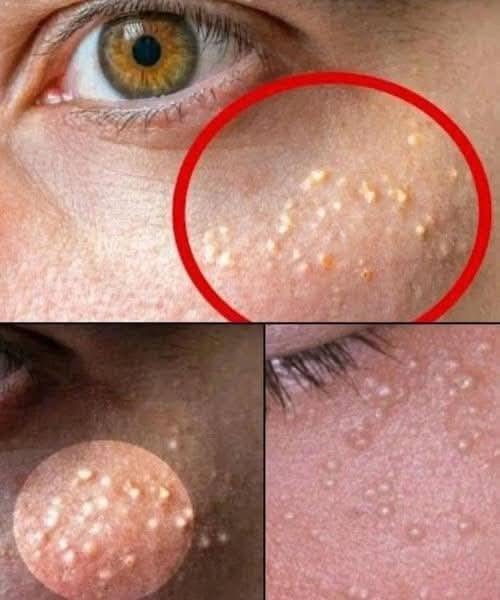
Tiny White Bumps on Your Face? Here’s What They Are—and How to Treat Milia Safely
Introduction
Have you noticed tiny white bumps around your eyes, cheeks, or forehead that won’t go away? They may look like whiteheads, but unlike acne, they don’t pop easily and often stay just beneath the skin.
These small bumps are called milia. They’re very common, harmless, and can affect people of all ages. While they aren’t dangerous, many people look for ways to reduce their appearance.
The good news is that milia often improve with gentle skincare, and when needed, a dermatologist can remove them safely.
What Are Milia?
Milia are tiny, white or yellowish cysts that form when keratin (a protein found in skin, hair, and nails) becomes trapped beneath the skin’s surface.
Unlike pimples, milia are not caused by clogged pores, bacteria, or excess oil.
They are:
- Small and firm
- White or cream-colored
- Usually painless
- Not contagious
- Not a type of acne
What Causes Milia?
Several factors may contribute to milia, including:
- Dead skin cells trapped beneath the skin
- Sun damage
- Aging skin and slower cell turnover
- Heavy or oil-based skincare products
- Skin injuries such as burns or rashes
- Long-term use of steroid creams
- Certain rare skin or genetic conditions
Sometimes milia appear without any obvious cause.
Where Do Milia Usually Appear?
Milia most commonly develop on:
- Around the eyes
- Upper cheeks
- Forehead
- Nose
- Chin
- Chest
- Arms
- Legs
They are especially common around the delicate skin surrounding the eyes.
Are Milia Dangerous?
No.
Milia are usually harmless and don’t require treatment unless they bother you cosmetically.
However, you should see a healthcare provider if the bumps:
- Become red or painful
- Grow quickly
- Bleed
- Change in appearance
- Are difficult to identify
A proper diagnosis helps rule out other skin conditions.
Don’t Try to Pop Milia
Although they look similar to whiteheads, milia should not be squeezed or picked.
Trying to remove them yourself may cause:
- Infection
- Scarring
- Skin discoloration
- Delayed healing
Because the keratin is trapped beneath the skin, home extraction is usually unsuccessful.
Gentle Ways to Help Reduce Milia
1. Cleanse Your Face Daily
Wash your face twice a day using a mild, fragrance-free cleanser.
Avoid harsh scrubbing, which can irritate the skin.
2. Exfoliate Gently
Gentle exfoliation may help remove dead skin cells.
Use a mild chemical exfoliant containing:
- Lactic acid
- Glycolic acid
Limit exfoliation to once or twice a week.
3. Try Warm Steam
A warm facial steam may soften the outer layer of skin.
How to do it:
- Fill a bowl with hot (not boiling) water.
- Hold your face about 10–12 inches above the steam.
- Cover your head with a towel.
- Steam for 5–10 minutes.
Follow with a lightweight moisturizer.
4. Choose Lightweight Moisturizers
Heavy creams, especially around the eyes, may contribute to milia in some people.
Look for products labeled:
- Non-comedogenic
- Oil-free
- Lightweight
Helpful ingredients include:
- Hyaluronic acid
- Niacinamide
- Ceramides
5. Wear Sunscreen Every Day
Sun damage can affect normal skin renewal.
Apply a broad-spectrum sunscreen with SPF 30 or higher every morning, even on cloudy days.
Medical Treatments
If milia don’t improve or you want faster removal, a dermatologist may recommend:
- Professional extraction
- Topical retinoids
- Cryotherapy (freezing)
- Other minor in-office procedures
These treatments should only be performed by qualified healthcare professionals.
Milia in Babies
Milia are very common in newborns, especially on the nose and cheeks.
In most cases, they disappear on their own within a few weeks.
Do not squeeze the bumps or use adult acne products on a baby’s skin.
Frequently Asked Questions
Are milia the same as acne?
No. Milia are tiny keratin-filled cysts, while acne develops from clogged pores and inflammation.
Can milia go away on their own?
Yes. Many milia disappear naturally over time, although some may persist for months.
Is it safe to remove milia at home?
It’s best not to. Picking or squeezing milia can damage the skin and increase the risk of infection or scarring.
Can sunscreen help prevent milia?
While sunscreen doesn’t directly prevent milia, protecting your skin from sun damage supports healthy skin renewal.
Final Thoughts
Milia are common, harmless, and usually nothing to worry about. With gentle skincare, regular cleansing, and proper sun protection, many people notice improvement over time.
If the bumps persist, spread, or concern you, a dermatologist can safely remove them.
Medical Disclaimer: This article is for educational purposes only and is not a substitute for professional medical advice, diagnosis, or treatment. Always consult a qualified healthcare provider if you have concerns about your skin or notice persistent or unusual changes.