
That sharp, burning pain hits inside your mouth, making every bite of food or sip of drink feel unbearable. You glance in the mirror and see those small, white or yellow spots with angry red borders staring back at you. These frustrating sores—known as aphthous ulcers or canker sores—disrupt your day, affect what you eat, and leave you wondering why they keep coming back. But here’s the good news: most people find ways to ease the discomfort and reduce how often they appear, and there’s one simple daily habit that many overlook which can make a surprising difference—keep reading to discover it toward the end.
What Is Aphthous Stomatitis?
Aphthous stomatitis, commonly called canker sores or aphthous ulcers, is one of the most frequent oral conditions. These small, painful ulcers form on the soft tissues inside the mouth. Unlike cold sores, they aren’t caused by a virus and aren’t contagious.
Research from sources like Mayo Clinic shows they affect up to 20-40% of people at some point. They usually heal on their own, but the pain can last several days.
The key? They’re benign and not a sign of something serious in most cases.
Where Do Canker Sores Typically Appear?
These ulcers show up only on the non-keratinized (soft) areas inside the mouth. Common locations include:
- The inside of the lips
- The inner cheeks
- The tongue (especially the sides or underside)
- The floor of the mouth
- The soft palate at the back
They never appear on the outer lips, hard palate, or skin outside the mouth. This helps distinguish them from other issues.
What Do Aphthous Ulcers Look Like?
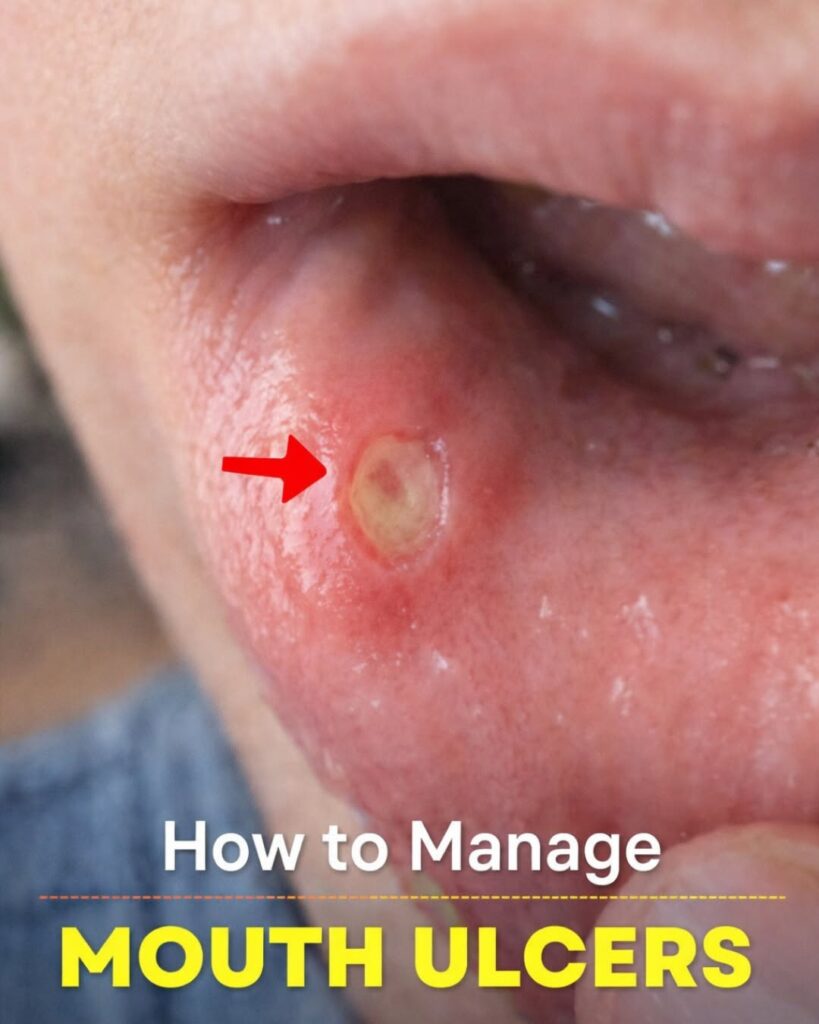
Picture a small, round or oval spot, usually less than a centimeter across for the most common type. The center appears white or yellowish, surrounded by a bright red, inflamed edge. The area often feels tender or burns, especially when touched by food, drink, or even air.
The pain peaks in the first few days and gradually eases as healing begins.
The Three Main Types of Aphthous Ulcers
Not all canker sores are the same. Understanding the type can help gauge what to expect.
Minor Aphthous Ulcers (the most common):
- Small size (under 1 cm)
- Heal in 7-10 days
- No scarring
- Account for about 80% of cases
Major Aphthous Ulcers:
- Larger and deeper (over 1 cm)
- More painful and persistent
- Can take 2-6 weeks to heal
- May leave scars
Herpetiform Ulcers:
- Clusters of tiny ulcers (up to 100 small ones)
- Can merge into bigger patches
- The name comes from appearance only—no relation to herpes
Studies indicate minor ones resolve quickest, while major types often need more attention.
Why Do Canker Sores Keep Coming Back? Common Causes and Triggers
The exact cause remains unclear, but experts agree multiple factors play a role. It’s often a mix of genetic predisposition and everyday triggers.
Common triggers include:
- Stress and anxiety — Many notice outbreaks during high-pressure times
- Mouth injury — From biting your cheek, sharp teeth, braces, or dental work
- Nutritional gaps — Low levels of iron, vitamin B12, or folic acid (backed by NIH research)
- Hormonal shifts — Especially in women during menstrual cycles
- Certain foods — Spicy, acidic (like citrus), or salty items
- Weakened immunity — After illness or poor sleep
- SLS in toothpaste — Sodium lauryl sulfate can irritate sensitive mouths
- Underlying issues — Such as celiac disease or inflammatory bowel conditions (rare but worth checking if frequent)
But that’s not all—some people find avoiding one specific trigger dramatically cuts recurrences.
Recognizing the Symptoms
The main sign is localized pain or a burning feeling. Other common experiences:
- Discomfort worsens with spicy, acidic, or hot foods/drinks
- Trouble eating, drinking, or speaking comfortably
- Mild swelling around the sore
- No fever, swollen glands, or body-wide symptoms (unlike infections)
If systemic signs appear, it’s time to consult a professional.
How Doctors Diagnose Aphthous Stomatitis
Most cases are identified by visual exam alone—the classic appearance is distinctive.
If ulcers recur often or seem severe, providers may order:
- Blood tests for deficiencies (iron, B vitamins)
- Checks for systemic conditions
This rules out mimics and guides better management.
Ways to Manage Pain and Support Healing
Focus shifts to symptom relief since most heal naturally.
Over-the-Counter Options:
- Topical numbing gels (with benzocaine or lidocaine) for quick pain relief
- Protective pastes or gels that shield the sore
- Antiseptic or saline rinses to keep the area clean
Anti-Inflammatory Approaches:
- Topical corticosteroids (prescribed gels or rinses) to reduce swelling and speed recovery
Addressing Deficiencies:
- Supplements if tests show low iron, B12, or folate—always under guidance
For frequent cases, doctors sometimes suggest short-term systemic options after evaluation.
Practical Home Care and Lifestyle Adjustments
Small changes often bring big relief. Try these evidence-based tips:
- Rinse with salt water (1/2 tsp salt in warm water) or baking soda solution several times daily
- Apply a dab of milk of magnesia to the sore
- Use a soft toothbrush and SLS-free toothpaste
- Choose gentle, non-abrasive oral products
- Stay hydrated and eat soft, bland foods during outbreaks
- Prioritize sleep and stress reduction techniques like deep breathing
Many find that switching toothpaste alone reduces episodes significantly.
Here are some quick, actionable steps you can start today:
- Identify personal triggers — Keep a simple food/stress diary for two weeks.
- Rinse after meals — Use saline to soothe and clean.
- Apply protection — Use an oral gel barrier right after noticing a sore.
- Supplement wisely — If deficient, add B vitamins or iron via diet first (leafy greens, lean meats).
- Manage stress — Even 10 minutes of mindfulness daily helps immunity.
When to See a Healthcare Professional
Most sores resolve without issues, but seek help if:
- Ulcers last longer than 2 weeks
- They’re unusually large or extremely painful
- They recur very frequently (more than 3-4 times a year)
- You struggle to eat or drink
- Other symptoms like unexplained weight loss or fever appear
Early evaluation prevents complications.
Key Takeaways About Canker Sores
These common ulcers are uncomfortable but usually harmless and non-infectious. With mindful habits—like avoiding known triggers and maintaining oral care—many reduce frequency and severity. Healing often improves with consistent self-care.
One often-overlooked habit? Switching to an SLS-free toothpaste consistently. Research links it to fewer outbreaks in sensitive individuals.
Frequently Asked Questions
Are canker sores contagious?
No, aphthous ulcers aren’t contagious. They’re not caused by viruses like cold sores.
How long do canker sores usually last?
Minor ones heal in 7-10 days; major types may take weeks. Pain peaks early then fades.
Can stress really cause canker sores?
Yes—studies show stress weakens immunity and often triggers outbreaks in prone people.
Medical Disclaimer
This information is for educational purposes only and does not replace professional medical advice. Consult a dentist or doctor for persistent or severe mouth ulcers.