
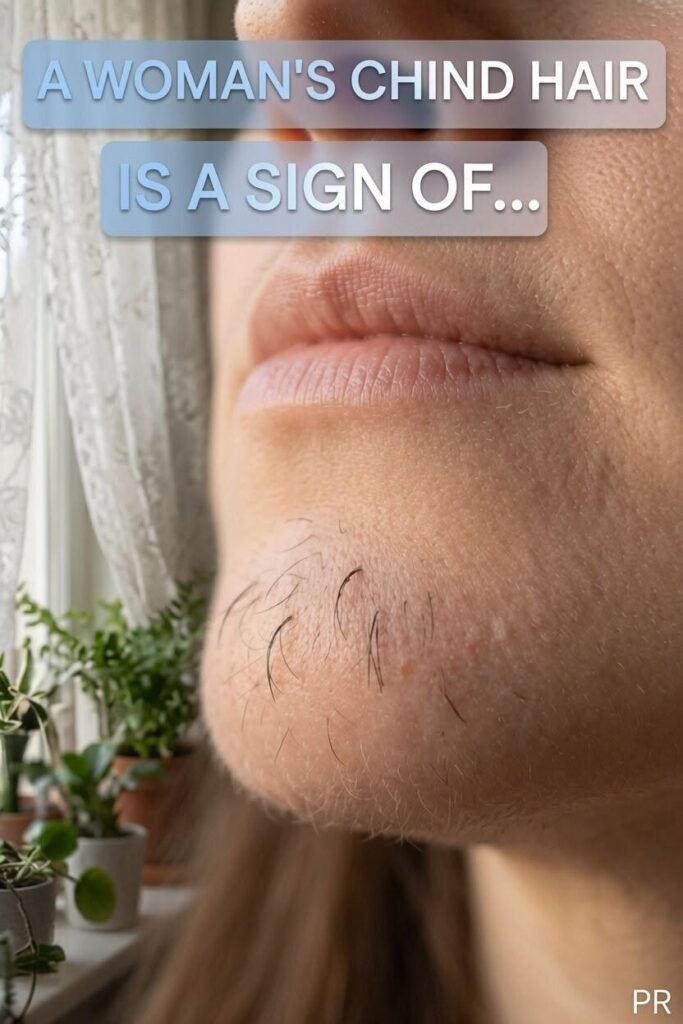
Title: Chin Hair in Women: Common Causes, Hormones, and When to See a Doctor
1. Is It Normal to Grow Chin Hair?
Yes. Most women have some facial hair, and it’s common for a few hairs on the chin or upper lip to become more noticeable with age.
Fine facial hair (“peach fuzz”) is normal, but hormonal changes can cause some hairs to become:
- Darker
- Thicker
- Coarser
- More noticeable
A few isolated chin hairs are usually not a cause for concern.
2. How Hormones Affect Chin Hair
Women naturally produce small amounts of hormones called androgens, including testosterone. These hormones help regulate several normal body functions.
If androgen levels increase—or if hair follicles become more sensitive to these hormones—coarser hair may develop on areas such as:
- Chin
- Upper lip
- Jawline
- Chest
- Lower abdomen
Excessive growth of coarse hair in these areas is called hirsutism.
3. Common Causes of Increased Chin Hair
Several factors can contribute to increased facial hair growth.
Hormonal Changes During Menopause
As estrogen levels decline during perimenopause and menopause, facial hair may become more noticeable while scalp hair may become thinner.
Polycystic Ovary Syndrome (PCOS)
PCOS is a common hormonal condition that can cause:
- Increased facial or body hair
- Irregular menstrual periods
- Acne
- Weight changes
- Difficulty becoming pregnant
- Thinning hair on the scalp
Genetics
Family history plays an important role. Some women naturally develop more facial hair even when hormone levels are normal.
Certain Medications
Some medicines may increase hair growth, including:
- Testosterone-containing treatments
- Anabolic steroids
- Minoxidil
- Some hormone therapies
Never stop a prescribed medication without discussing it with your healthcare provider.
4. When Should You See a Healthcare Provider?
Arrange a medical evaluation if facial hair:
- Appears suddenly or increases rapidly
- Becomes widespread
- Is accompanied by irregular menstrual periods
- Occurs with severe acne
- Is associated with scalp hair loss
- Occurs with a deeper voice or increased muscle mass
- Causes significant concern or affects your quality of life
Your healthcare provider may recommend blood tests or other evaluations to identify any underlying hormonal condition.
5. Treatment Options
Treatment depends on the underlying cause and your personal preferences.
Possible options include:
- Tweezing
- Threading
- Waxing
- Shaving
- Hair removal creams (used according to directions)
- Laser hair removal
- Electrolysis
If a hormonal condition is identified, a healthcare provider may recommend treatments such as hormonal medications or other therapies appropriate for your situation.
6. Final Note
A few chin hairs are a common part of aging and genetics for many women. However, sudden or excessive facial hair growth—especially when accompanied by other symptoms—may indicate a hormonal condition that deserves medical evaluation.
If you’re concerned about changes in facial hair, a healthcare provider can help determine the cause and discuss safe, effective treatment options.
This article is for general educational purposes only and is not a substitute for professional medical advice, diagnosis, or treatment.