
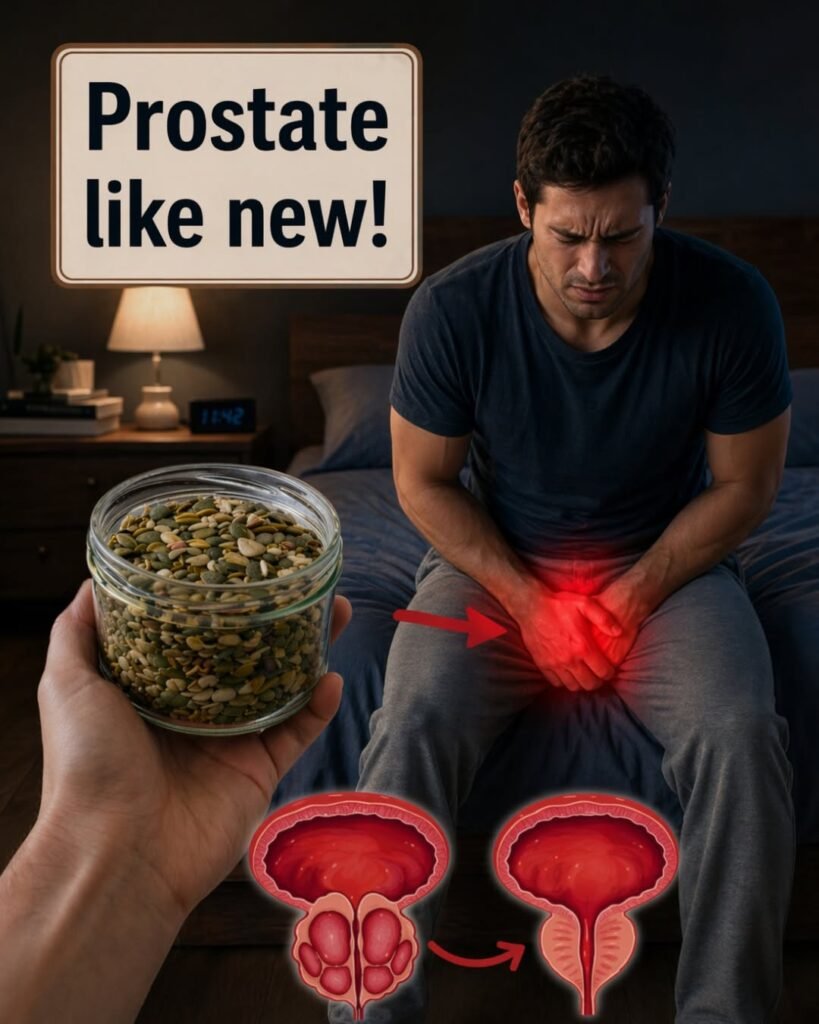
Foods and Habits That Support Prostate Health
As men get older, maintaining prostate health becomes an important part of overall wellness. While no single food can prevent or treat prostate conditions, a balanced diet and healthy lifestyle may help support overall health and complement regular medical care.
Pumpkin seeds and other nutrient-rich foods are popular choices because they provide vitamins, minerals, healthy fats, and fiber. However, they should be viewed as part of a healthy eating pattern—not as a cure.
1. What Is Benign Prostatic Hyperplasia (BPH)?
Benign prostatic hyperplasia (BPH), also called an enlarged prostate, is a common condition in which the prostate gland gradually increases in size with age. As the prostate enlarges, it can press against the urethra and cause urinary symptoms such as:
- Frequent urination
- Difficulty starting urination
- A weak urine stream
- Feeling that the bladder does not empty completely
- Waking up at night to urinate
These symptoms can also be caused by other conditions, so only a healthcare professional can determine the underlying cause through an appropriate evaluation.
2. Nutrients That Support Overall Health
Several nutrients commonly found in healthy foods contribute to overall nutrition:
- Zinc: Found in pumpkin seeds, legumes, nuts, and whole grains.
- Healthy Fats: Monounsaturated and omega-3 fats are found in foods such as olive oil, nuts, seeds, and fatty fish.
- Antioxidants: Fruits and vegetables—including berries, tomatoes, and leafy greens—contain naturally occurring antioxidants.
- Dietary Fiber: Whole grains, vegetables, fruits, beans, and seeds support digestive health and overall wellness.
- Lycopene: A naturally occurring antioxidant found in tomatoes, particularly cooked tomato products.
Although these nutrients are part of a healthy diet, research has not established that any single nutrient can prevent or cure BPH.
3. Foods Commonly Included in a Prostate-Friendly Diet
Many experts recommend a dietary pattern rich in plant foods and healthy fats, including:
- Pumpkin Seeds: A source of zinc, healthy fats, protein, and fiber.
- Tomatoes and Tomato Products: Provide lycopene as part of a balanced diet.
- Fatty Fish: Salmon, sardines, trout, and mackerel provide omega-3 fatty acids.
- Green Tea: Can be enjoyed in moderation if tolerated.
- Cruciferous Vegetables: Broccoli, cauliflower, Brussels sprouts, and cabbage add fiber and beneficial plant compounds.
- Fruits and Vegetables: A variety of colorful produce supports overall health.
4. Lifestyle Habits That Support Urinary and Prostate Health
Healthy habits can help support overall well-being and may improve quality of life:
- Stay hydrated: Drink enough fluids throughout the day, while some people may find it helpful to reduce fluid intake a few hours before bedtime if nighttime urination is bothersome.
- Limit caffeine and alcohol if they worsen symptoms: These beverages may increase urinary urgency in some individuals.
- Stay physically active: Regular exercise supports overall health and healthy weight management.
- Maintain a healthy weight: Excess body weight is associated with several chronic health conditions.
- Attend regular medical checkups: Discuss prostate health with your healthcare provider, including whether prostate cancer screening is appropriate for you based on your age, family history, and individual risk factors.
5. Important Safety Tips
Keep these important points in mind:
- Do not self-diagnose: Urinary symptoms can have many causes, including urinary tract infections, BPH, bladder problems, or prostate cancer.
- Discuss supplements with your healthcare provider: Herbal products and dietary supplements may interact with prescription medications or may not be appropriate for everyone.
- Be cautious of miracle claims: No food, drink, or two-ingredient recipe has been proven to cure an enlarged prostate.
- Seek urgent medical care if you cannot urinate: Also seek prompt medical evaluation if you notice blood in your urine, develop severe pain, fever, or worsening urinary symptoms.
6. Simple Pumpkin Seed Snack
Ingredients
- 2 tablespoons raw or lightly roasted unsalted pumpkin seeds
- Optional: A small pinch of herbs or spices for flavor
Serving Ideas
- Enjoy as a snack.
- Sprinkle over salads.
- Add to yogurt or oatmeal.
- Blend into smoothies.
- Mix into homemade trail mix.
A serving of 1–2 tablespoons can be an easy way to include pumpkin seeds as part of a balanced diet.
Final Thoughts
A nutritious eating pattern that includes vegetables, fruits, whole grains, healthy fats, fish, legumes, and foods such as pumpkin seeds can support overall health as you age.
While these foods are nutritious, they do not replace medical evaluation or treatment for prostate conditions. If you experience urinary symptoms or have concerns about your prostate health, consult a licensed healthcare professional. Combining healthy lifestyle habits with regular medical care remains the best approach to long-term prostate wellness.
Disclaimer: This article is for informational and educational purposes only and should not be considered medical advice. Foods such as pumpkin seeds are part of a healthy diet but are not intended to diagnose, treat, cure, or prevent benign prostatic hyperplasia, prostate cancer, or any other medical condition.