
Lip Bumps and Sores: Causes, Care, and When to See a Doctor
Lip bumps, blisters, and sores are common and can affect people of all ages. They may appear suddenly and cause discomfort, tenderness, or irritation. In many cases, they are temporary and heal on their own, but some may require medical attention if they persist or worsen.
Understanding the possible causes and knowing when to seek professional care can help protect your oral and skin health.
1. What Are Lip Bumps or Sores?
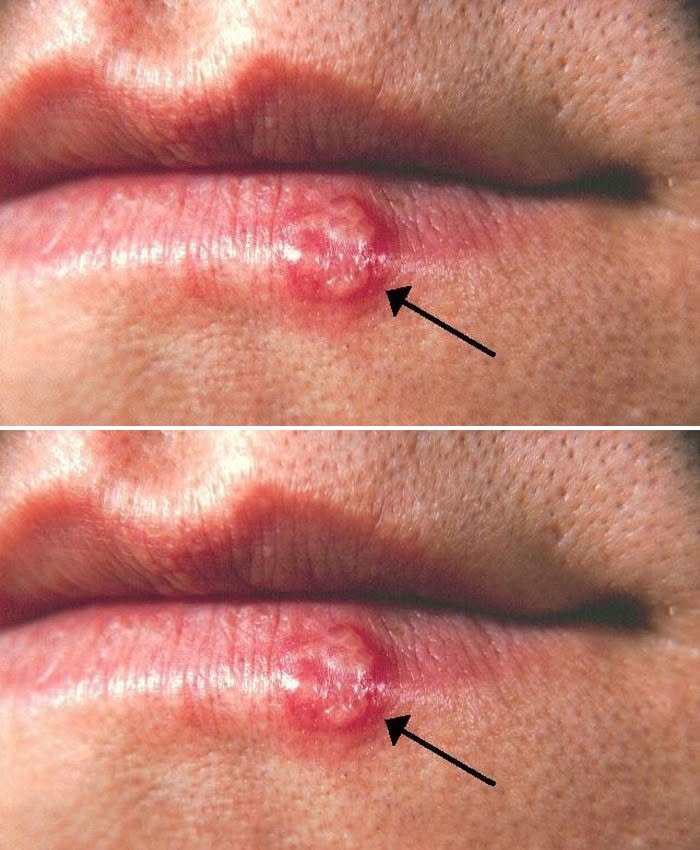
A lip bump or sore is a small raised area, blister, or irritated spot that develops on the upper or lower lip. It may be painful, itchy, or simply noticeable without causing discomfort.
Key Points:
- Can appear on the upper or lower lip
- May look red, swollen, or blister-like
- Can feel tender, itchy, or sore
- Some heal within a few days, while others may last longer
2. Common Causes of Lip Irritation
Several everyday factors and medical conditions can cause bumps or sores on the lips.
Common causes include:
- Dry or chapped lips
- Minor injuries, such as accidentally biting the lip
- Irritation from spicy, acidic, or hot foods
- Allergic reactions to lip products, toothpaste, or certain foods
- Bacterial or viral infections
- Stress or changes in the immune system
- Sun exposure without lip protection
A healthcare professional can determine the exact cause after an examination.
3. When to See a Healthcare Provider
Although many lip sores improve on their own, some symptoms should not be ignored.
See a doctor or dermatologist if:
- The sore does not heal within 1–2 weeks.
- It becomes increasingly painful.
- The area is filled with pus or spreads.
- You develop fever or swollen lymph nodes.
- The lip becomes very red, warm, or swollen.
- You experience frequent or recurring lip sores.
Early medical evaluation can help identify the cause and provide appropriate treatment.
4. Tips for Lip Care and Healing
Good lip care habits can help reduce irritation and support the natural healing process.
Daily lip care tips:
- Keep your lips moisturized with a fragrance-free lip balm.
- Drink plenty of water throughout the day.
- Avoid picking or touching the sore.
- Use a lip balm with SPF when outdoors.
- Avoid spicy, salty, or acidic foods if they cause discomfort.
- Wash your hands before touching your face or lips.
5. Prevention and Professional Care
Simple lifestyle habits can help lower the risk of lip irritation and recurring sores.
Prevention tips:
- Use gentle, fragrance-free lip care products.
- Avoid sharing lip balm, cups, or eating utensils.
- Eat a balanced diet rich in vitamins and minerals.
- Manage stress through healthy lifestyle habits.
- Get enough sleep each night.
- Visit your healthcare provider if lip problems keep returning.
6. Final Thoughts
Lip bumps and sores are common and often improve without treatment. However, sores that are painful, repeatedly return, or fail to heal should be examined by a licensed healthcare provider or dermatologist. Maintaining good lip care, staying hydrated, and seeking medical advice when needed are the best ways to support healthy lips and overall well-being.