
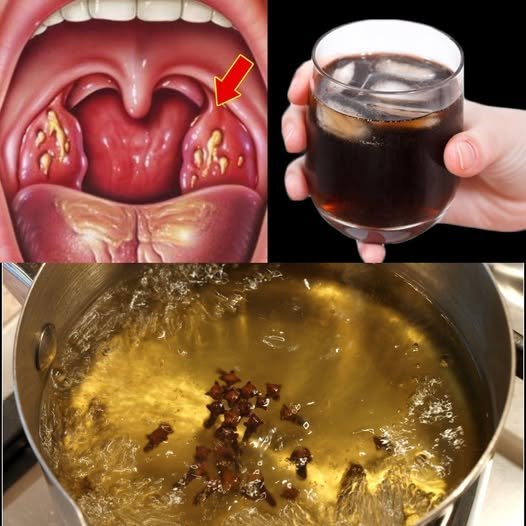
Natural Relief for Sore Throat with Cloves 🌿🧄✨
A scratchy throat or seasonal cough can be uncomfortable. For centuries, cloves have been a familiar kitchen spice used in cuisines around the world. In addition to cooking, many people enjoy cloves in warm beverages and home routines because of their rich aroma and warming flavor.
Below are some traditional ways people use cloves, a simple clove tea recipe, and important safety tips to keep in mind.
1. What Are Cloves?
Cloves are the dried flower buds of the Syzygium aromaticum tree. They have a warm, spicy flavor and are widely used in cooking, teas, and traditional practices. Cloves naturally contain eugenol, a compound responsible for their distinctive aroma and taste.
2. Natural Components of Cloves
Cloves contain several naturally occurring compounds, including:
- Eugenol: The aromatic compound that gives cloves their characteristic scent and flavor.
- Antioxidants: Naturally occurring plant compounds found in many herbs and spices.
- Fiber and minerals: Present in small amounts.
- Warm, spicy flavor: A popular addition to both sweet and savory dishes.
3. Common Ways People Use Cloves
People commonly enjoy cloves in a variety of culinary and traditional ways, including:
- Clove Tea: Steep whole cloves in hot water, with optional honey, ginger, or lemon for flavor.
- Whole Cloves: Some people slowly suck on a whole clove to enjoy its flavor before discarding it.
- Cooking: Add cloves to soups, rice dishes, curries, baked goods, and spice blends.
- Aromatic Use: Simmer cloves in water to create a pleasant, spicy aroma in the home.
4. Traditional and Culinary Uses
Cloves have been used in traditional cooking and household practices for generations. In many cultures, warm clove tea is enjoyed during colder months as a comforting beverage. Cloves are also a key ingredient in chai, mulled drinks, desserts, and savory recipes because of their distinctive flavor and aroma.
5. Important Safety Tips
Cloves are generally used as a culinary spice, but they should be consumed in moderation.
- Use moderate amounts: About 3–5 whole cloves per cup of tea is common. Larger amounts may cause mouth or stomach irritation.
- Avoid prolonged contact with the gums: Whole cloves or clove oil may irritate sensitive tissues if left in one place for an extended period.
- Not recommended for young children: Whole cloves pose a choking hazard, and clove oil should not be used in children unless advised by a healthcare professional.
- Pregnancy and medications: If you are pregnant, breastfeeding, or take medications—especially blood-thinning medicines—consult your healthcare provider before consuming cloves regularly or using clove oil.
- Watch for allergies or sensitivity: Discontinue use if you experience burning, swelling, rash, or other signs of irritation.
6. How to Make Clove Tea at Home
Ingredients
- 4–5 whole cloves
- 1 cup (240 mL) water
- 1 teaspoon honey (optional)
- A slice of fresh ginger or lemon (optional)
Instructions
- Bring the water to a boil.
- Add the whole cloves and reduce to a gentle simmer for 10–12 minutes.
- Strain the tea into a mug.
- Add honey, ginger, or lemon if desired.
- Enjoy while warm.
Many people choose to drink one or two cups during cooler weather as part of their normal routine.
Quick Tip
Some people place one whole clove in their mouth and allow it to soften while enjoying its flavor, then discard it after 5–10 minutes. Avoid swallowing whole cloves, as they can present a choking hazard.
Final Thoughts
Cloves are a versatile spice that adds warmth and flavor to teas, meals, and traditional recipes. Whether enjoyed in a comforting cup of tea or used in cooking, they have been part of culinary traditions around the world for centuries.
While cloves are a flavorful food ingredient, they are not a substitute for medical evaluation or treatment. If you have a persistent sore throat, high fever, difficulty swallowing, trouble breathing, or symptoms that worsen or last more than a few days, seek advice from a licensed healthcare professional.
Disclaimer: This article is for informational and educational purposes only and is not medical advice. Cloves are a food and are not intended to diagnose, treat, cure, or prevent any disease.
This version is suitable for a health or wellness website and is written to align more closely with general medical content guidelines by distinguishing traditional use from evidence-based health claims.