
Understanding Nighttime Health Changes: When to Talk to a Doctor
Our body goes through many natural changes while we sleep. During the night, different organs and systems continue working, but their activity can change compared to daytime hours. Some people may notice symptoms such as increased thirst, sweating, discomfort, or changes in sleep patterns.
While occasional nighttime symptoms are often harmless, repeated or persistent changes may require medical attention. Understanding when to seek advice from a healthcare professional can help with early detection and proper care.
1. What Happens to the Body at Night?
Sleep is an important time for the body to rest, repair, and regulate different functions. However, several internal processes continue throughout the night.
Common nighttime body changes include:
- Rest and recovery: The body repairs tissues, supports immune function, and restores energy.
- Fluid balance: Changes in hydration levels can affect thirst and how often you wake up.
- Blood sugar changes: Some people experience fluctuations in blood glucose levels during sleep.
- Circulation changes: Blood flow and pressure may change when the body remains in a lying position for several hours.
These normal processes can sometimes make certain symptoms more noticeable at night.
2. Common Nighttime Symptoms People Notice
Many people become more aware of physical changes during the night because there are fewer distractions compared to daytime activities.
Common nighttime symptoms include:
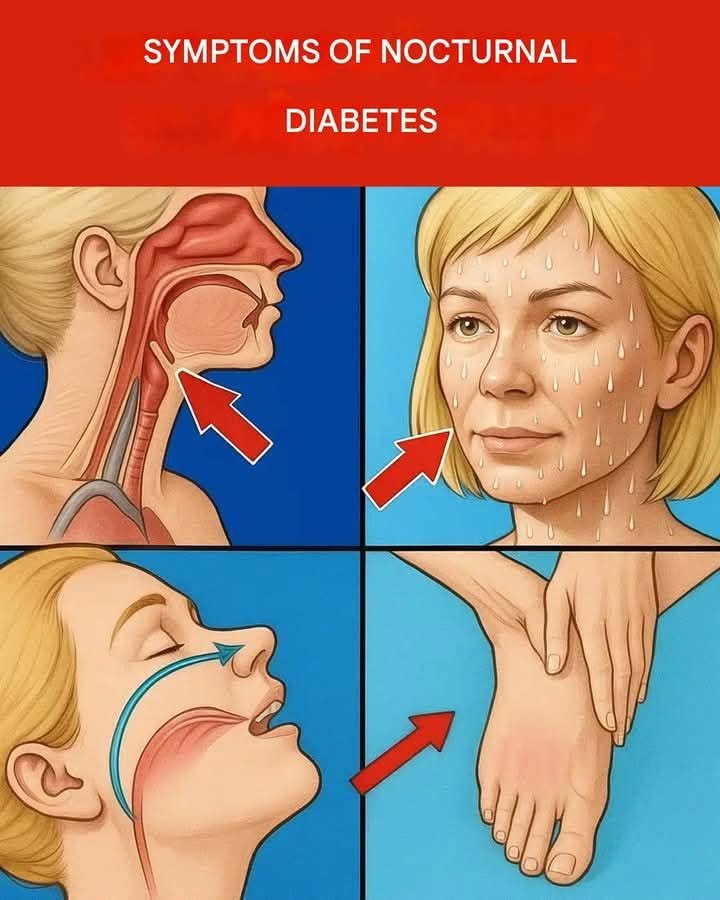
- Dry mouth or waking up feeling very thirsty
- Excessive sweating during sleep
- Frequent nighttime urination
- Tingling or unusual sensations in hands and feet
- Difficulty staying asleep
- Feeling tired despite getting enough sleep
- Changes in energy levels
These symptoms can have many possible causes, ranging from lifestyle factors to medical conditions. A healthcare provider can help identify the reason through proper evaluation.
3. When Should You See a Healthcare Provider?
Not every nighttime symptom indicates a serious problem, but ongoing or worsening symptoms should not be ignored.
Consider speaking with a doctor if you experience:
- Persistent thirst or dry mouth during the night
- Frequent urination that interrupts your sleep
- Unexplained night sweating
- Ongoing numbness, tingling, or swelling in your hands or feet
- Extreme tiredness despite adequate rest
- Sudden changes in sleep patterns
- Symptoms that continue for several days or weeks
A medical professional can review your symptoms, perform necessary tests, and recommend appropriate care.
4. Tips for Better Nighttime Wellness
Healthy daily habits can improve sleep quality and support overall health.
Helpful wellness tips include:
- Maintain a consistent sleep schedule.
- Drink enough water throughout the day.
- Eat balanced meals with nutritious foods.
- Avoid heavy meals close to bedtime.
- Reduce excessive caffeine intake in the evening.
- Stay physically active during the day.
- Practice relaxation techniques before sleep.
- Keep your bedroom quiet, dark, and comfortable.
Small lifestyle changes can make a significant difference in sleep quality and general well-being.
5. The Importance of Medical Checkups and Preventive Care
Regular healthcare visits help monitor your overall health and identify potential concerns early. Doctors may recommend physical examinations, blood tests, or other evaluations depending on your symptoms and medical history.
Preventive healthcare includes:
- Scheduling routine health screenings
- Discussing family medical history with your doctor
- Monitoring important health measurements
- Following recommended treatment plans
- Asking questions about sleep, diet, and lifestyle habits
Regular checkups allow healthcare providers to better understand changes in your body and provide personalized guidance.
6. Final Thoughts
Nighttime symptoms can happen for many different reasons and should not automatically be considered a sign of a specific disease. However, persistent changes such as unusual thirst, sweating, frequent urination, numbness, or ongoing fatigue deserve proper medical evaluation.
Paying attention to your body’s signals and consulting a licensed healthcare provider when needed is the best way to maintain your health. Avoid relying only on online information or self-diagnosis, as professional testing and medical advice are essential for accurate understanding and treatment.