
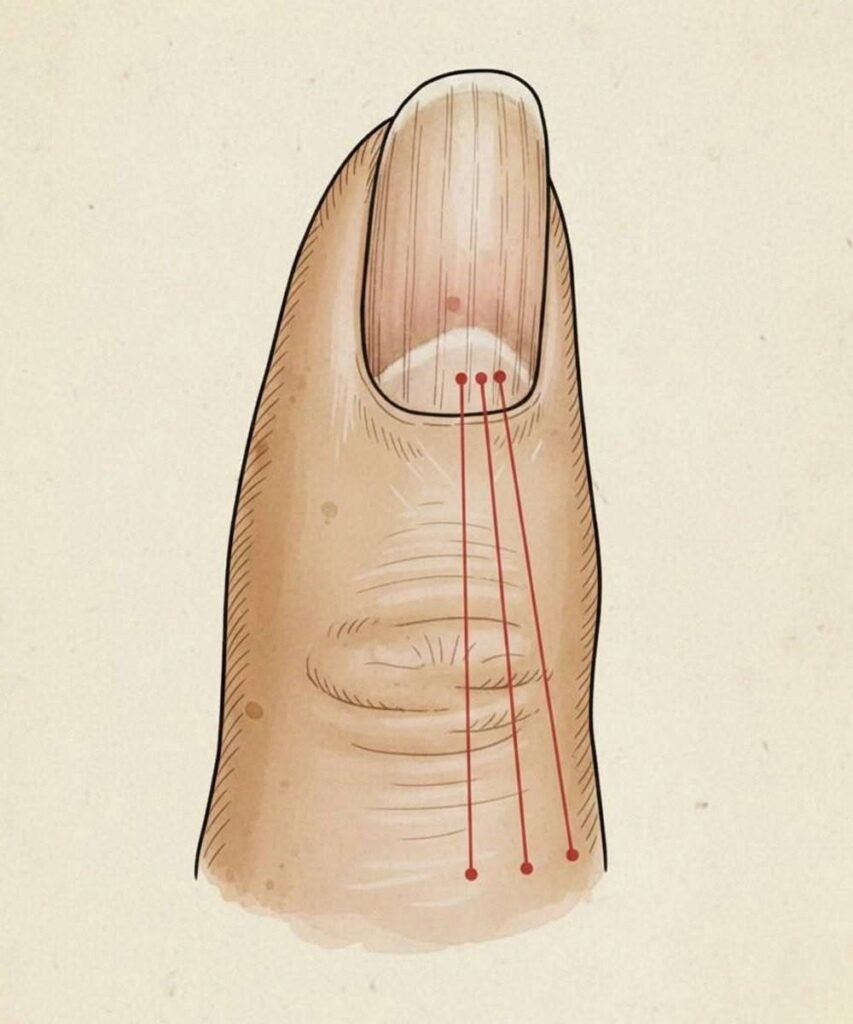
If You Have These Lines on Your Nails, Don’t Ignore Them: What Nail Ridges May Reveal About Your Health
Your fingernails can reveal more about your health than you might expect. While many people focus on keeping their nails clean and polished, doctors often examine nails because changes in their appearance can sometimes provide early clues about nutritional deficiencies, aging, or certain medical conditions.
If you’ve recently noticed lines, ridges, or grooves on your fingernails, there’s usually no need to panic. Many nail changes are harmless, especially as we grow older. However, understanding the difference between normal aging and signs that deserve medical attention can help you take better care of your overall health.
Why Your Nails Reflect Your Health
Fingernails are made primarily of keratin, a tough protein that also forms your hair and the outer layer of your skin. Healthy nails grow continuously from the nail matrix beneath the cuticle. Because this growth depends on good nutrition, circulation, and overall health, changes inside the body may eventually become visible on the nails.
Doctors sometimes examine fingernails when evaluating patients because nail changes may be associated with:
- Vitamin deficiencies
- Mineral deficiencies
- Poor circulation
- Autoimmune disorders
- Skin diseases
- Chronic illnesses
- Physical stress
- Aging
Most nail changes are not serious, but recognizing unusual patterns is important.
Vertical Nail Ridges: Usually a Normal Part of Aging
Vertical ridges are thin lines that extend from the cuticle to the tip of the nail. They become increasingly common after middle age.
As we get older, nail cells renew themselves more slowly, making these ridges easier to see. For most adults, vertical ridges are completely harmless and require no treatment.
When Vertical Ridges May Be Worth Discussing
Although aging is the most common cause, pronounced ridges accompanied by other symptoms may occasionally be linked to:
- Iron deficiency
- Vitamin B deficiencies
- Dehydration
- Brittle nail syndrome
- Certain inflammatory skin conditions
If your nails become extremely fragile, split easily, or change color along with deep ridges, it’s worth mentioning these changes during a routine medical checkup.
Horizontal Lines: Beau’s Lines
Horizontal grooves that stretch across the nail are known as Beau’s lines.
Unlike vertical ridges, these grooves usually develop after nail growth temporarily slows or stops due to significant physical stress.
Possible triggers include:
- High fever
- Severe infection
- Major surgery
- Serious injury
- Uncontrolled diabetes
- Kidney disease
- Thyroid disorders
- Certain medications, including chemotherapy
As the nail continues growing, the groove gradually moves toward the fingertip and eventually disappears.
If several nails develop Beau’s lines simultaneously without an obvious cause, a healthcare professional may recommend further evaluation.
Nail Color Changes Can Also Matter
In addition to ridges, changes in nail color may occasionally signal underlying health issues.
Examples include:
- Pale nails may sometimes be associated with anemia.
- Yellow nails can occur with fungal infections or chronic lung conditions.
- Bluish nails may indicate reduced oxygen levels.
- Dark streaks or black lines should always be evaluated, especially if they appear suddenly or involve only one nail.
Fortunately, many discolorations are simply the result of minor injuries that cause bleeding beneath the nail.
Can Nutrition Affect Nail Health?
Healthy nails depend on a balanced diet rich in essential nutrients.
Key nutrients include:
- Iron
- Biotin
- Zinc
- Vitamin B12
- Folate
- Protein
- Vitamin C
Eating a variety of fruits, vegetables, lean proteins, whole grains, and healthy fats helps support normal nail growth and overall wellness.
Tips for Keeping Your Nails Healthy
Simple daily habits can help maintain strong nails:
- Keep nails clean and dry.
- Moisturize your hands and cuticles regularly.
- Avoid biting or picking at your nails.
- Wear gloves when using cleaning products.
- Eat a nutrient-rich diet.
- Stay hydrated.
- Trim nails regularly to prevent splitting.
These habits can improve nail appearance and reduce damage over time.
When Should You See a Doctor?
Although many nail changes are harmless, medical advice is recommended if you notice:
- Deep horizontal grooves on multiple nails
- Sudden dark streaks that don’t result from injury
- Persistent nail pain or swelling
- Thickened, distorted, or separating nails
- Nail changes accompanied by fatigue, weight loss, or other unexplained symptoms
A healthcare provider can determine whether additional testing is needed.
The Bottom Line
Nail ridges are often a normal part of life, particularly as we age. Vertical ridges are usually harmless, while horizontal grooves may reflect a temporary interruption in nail growth caused by illness or significant physical stress.
Although your fingernails cannot diagnose disease on their own, paying attention to noticeable changes can help you recognize when it’s time to seek professional advice. Combined with a healthy lifestyle, regular medical checkups, and good nutrition, caring for your nails is another small step toward supporting your overall health.
Disclaimer: This article is for educational purposes only and should not be considered medical advice. If you notice sudden or persistent nail changes or have concerns about your health, consult a qualified healthcare professional for evaluation and personalized guidance.