
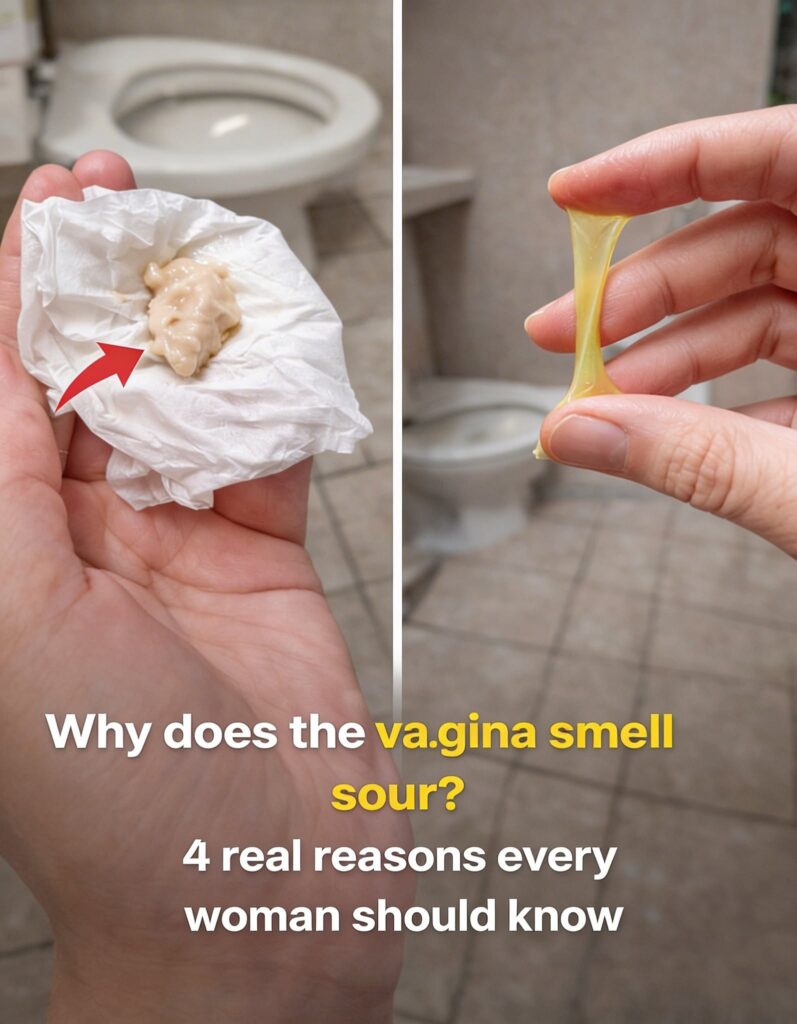
A sour vaginal odor can feel uncomfortable and even embarrassing, especially when you are not sure what is causing it. You might worry that something is wrong or that others will notice, which can quietly affect your confidence and daily interactions. The truth is that changes in scent are often linked to natural shifts inside the body, and most causes are manageable once you understand them. By the end of this article, you will discover one surprisingly simple habit that many women overlook when trying to restore balance.
Understanding What Is Normal
Before diving into the reasons behind a sour vaginal odor, it helps to understand what is considered normal.
The vagina has its own natural ecosystem, often called the vaginal microbiome. It contains beneficial bacteria, mainly Lactobacillus species, which help maintain a slightly acidic environment. This acidity protects against harmful microorganisms.
According to research published in peer reviewed gynecological journals, a healthy vaginal pH typically ranges from about 3.8 to 4.5. This mild acidity can produce a subtle tangy or sour scent. In many cases, that scent is completely normal.
However, when the odor becomes noticeably stronger, persistent, or is accompanied by unusual discharge or discomfort, it may signal that something in the balance has shifted.
Let us explore the four most common reasons.
1 Natural pH Changes Throughout Your Cycle
Hormones play a powerful role in vaginal health.
Estrogen levels fluctuate during your menstrual cycle, pregnancy, and perimenopause. These shifts can temporarily alter vaginal pH and bacterial balance.
Here is what often happens:
- During ovulation, discharge may increase and become more noticeable in scent
- Before your period, hormonal shifts can make odor slightly stronger
- After menstruation, residual blood can temporarily affect smell
Blood has a higher pH than the vagina, so even a small amount can change the overall scent for a short time.
But that is not all.
Stress, lack of sleep, and dietary changes can also subtly influence your body chemistry. While these changes are usually mild and temporary, they can contribute to a sour scent that feels unfamiliar.
If the odor fades within a few days and is not paired with itching or irritation, it is often part of normal hormonal variation.
2 Bacterial Imbalance
This is one of the most common reasons for a noticeable change in vaginal odor.
When the balance between good and harmful bacteria shifts, the vaginal environment can become less acidic. This allows certain bacteria to grow more than usual.
Studies suggest that bacterial imbalance is a frequent cause of stronger odors and changes in discharge consistency. While some women notice a fishy scent, others describe it as sour or tangy.
Common signs of bacterial imbalance may include:
- Thin gray or white discharge
- A stronger odor after intercourse
- Mild irritation without severe pain
The interesting part is this.
Many everyday habits can unintentionally disrupt bacterial balance, including frequent douching, using scented washes, or wearing tight synthetic underwear for long hours.
The vagina is self cleaning. Adding harsh products can interfere with its natural protective system.
3 Trapped Sweat and Moisture
The genital area contains sweat glands, and moisture can accumulate easily, especially in warm climates or after exercise.
When sweat mixes with natural vaginal discharge and bacteria on the skin, it can produce a sour or musty smell.
This is especially common if:
- You stay in damp workout clothes for extended periods
- You wear non breathable underwear
- You do not change sanitary products frequently
Here is the key point.
This type of odor is usually external rather than internal. It often improves quickly with gentle cleansing using warm water, breathable fabrics, and timely clothing changes.
According to dermatology experts, maintaining a dry environment helps prevent odor caused by sweat and bacteria on the skin surface.
4 Forgotten Tampon or Retained Product
Although less common, a retained tampon or menstrual product can cause a strong, sour, or unpleasant odor.
This happens because trapped blood and bacteria create an environment where microorganisms can multiply rapidly.
Warning signs may include:
- A strong, persistent odor that does not improve
- Unusual discharge that may appear brown or yellow
- Pelvic discomfort
If you suspect a retained product, it is important to seek medical care promptly for safe removal and evaluation.
While rare, prolonged retention can lead to more serious complications, so it is always better to check sooner rather than later.
When Is a Sour Vaginal Odor a Reason to Seek Medical Advice
Scent alone does not always indicate a problem.
However, you should consider professional evaluation if odor is combined with:
- Persistent itching
- Burning sensation
- Pain during urination
- Thick clumpy discharge
- Lower abdominal discomfort
Healthcare providers can assess symptoms and recommend appropriate next steps. Early guidance helps prevent unnecessary anxiety and supports overall wellbeing.
Simple Daily Habits That Support Vaginal Balance
Now here comes the part many women overlook.
Small daily habits often make a bigger difference than specialized products.
1 Choose Gentle Cleansing
Use warm water to cleanse the external vulvar area. If you prefer a cleanser, choose one that is fragrance free and specifically labeled for sensitive skin.
Avoid internal washing or douching. Research consistently shows that douching can disrupt natural bacterial balance.
2 Wear Breathable Fabrics
Cotton underwear allows airflow and reduces moisture buildup. Change out of damp clothing promptly after exercise or swimming.
3 Support Your Body With Balanced Nutrition
Emerging research suggests that diet influences overall microbiome health.
Consider:
- Staying hydrated
- Eating fiber rich foods
- Including fermented foods like yogurt with live cultures
While food alone does not control vaginal odor, a balanced diet supports overall microbial health.
4 Practice Smart Menstrual Care
Change tampons or pads regularly according to product guidelines. Consider tracking your cycle so you are aware of hormonal patterns that may affect scent.
5 Manage Stress Levels
Chronic stress can influence hormone levels and immune function. Gentle activities such as walking, deep breathing, or adequate sleep may indirectly support vaginal health.
And here is the subtle secret mentioned earlier.
Many women focus only on products, but consistency with basic habits often creates more stable results than constantly switching cleansers or remedies.
A Quick Comparison of Common Causes
Below is a simple overview to help you distinguish possible reasons.
Natural hormonal changes
Usually mild scent
Often temporary
No major discomfort
Bacterial imbalance
Noticeable change in discharge
Stronger odor
May include mild irritation
Sweat and moisture buildup
External smell
Improves with hygiene and dryness
No internal symptoms
Retained product
Strong persistent odor
Possible unusual discharge
Needs medical evaluation
This breakdown can help you reflect calmly before jumping to worst case conclusions.
Emotional Impact and Self Confidence
Let us talk about something that rarely gets mentioned.
Concerns about vaginal odor can quietly affect intimacy and self esteem. Some women avoid closeness or social situations out of fear that others will notice.
But here is the reassuring truth.
The human body has natural scents, and slight variations are normal. Open communication with a partner and awareness of your body patterns can ease anxiety significantly.
If worry feels overwhelming, speaking with a healthcare professional can provide clarity and peace of mind.
Conclusion
A sour vaginal odor is often linked to natural pH changes, bacterial imbalance, sweat and moisture, or in rare cases a retained product. Most causes are manageable with simple daily habits that support your body natural balance. By understanding how hormones, hygiene, and lifestyle factors interact, you can respond calmly instead of reacting with fear. The real power lies not in harsh solutions, but in consistent, gentle care.
Frequently Asked Questions
Is a slightly sour smell normal?
Yes. A mild tangy or sour scent can be part of a healthy acidic environment, especially at certain points in your menstrual cycle.
Can diet affect vaginal odor?
Diet influences overall body chemistry and microbiome health. Staying hydrated and eating balanced meals may support a stable internal environment, though it is not an instant fix.
How long should odor changes last before seeing a professional?
If odor persists for more than a few days, becomes stronger, or is accompanied by discomfort, unusual discharge, or pain, it is wise to seek medical advice.
Disclaimer This article is for informational purposes only and does not replace personalized medical advice from a qualified healthcare professional.