
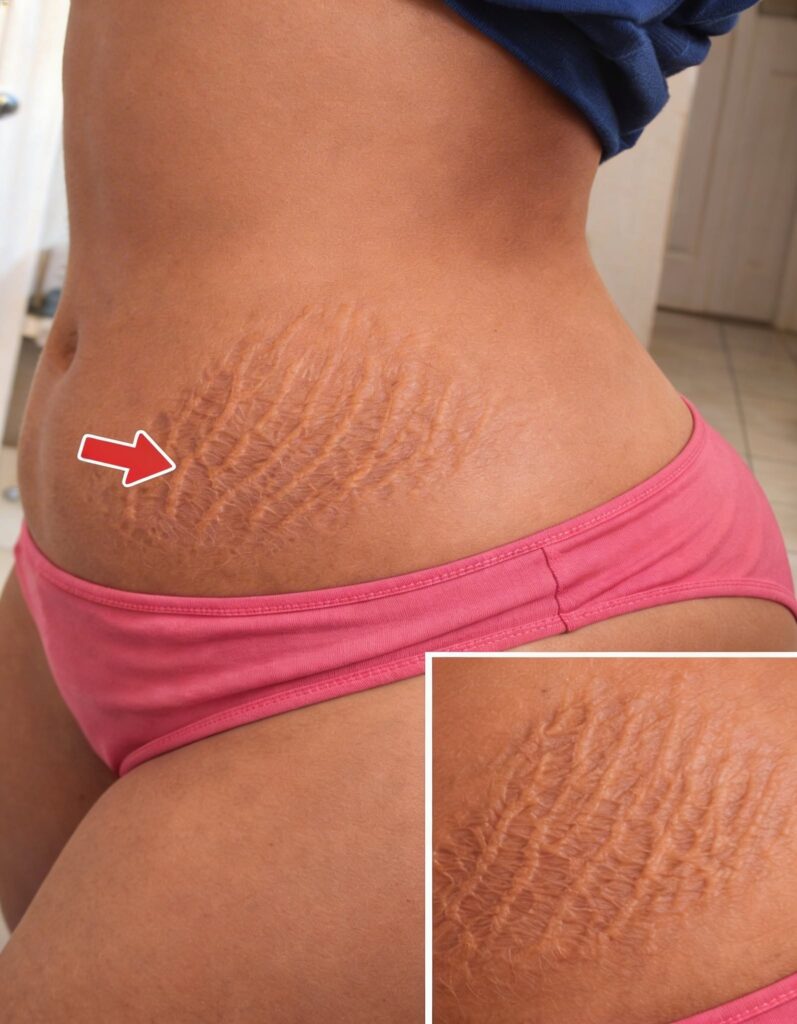
Many people notice those fine lines on their skin, often feeling self-conscious about how they look on areas like the abdomen, thighs, or chest. These marks, known as stretch marks, can appear suddenly during times of rapid body changes, leaving individuals wondering why they happen and how to address them. It’s completely normal to feel frustrated by these changes, as they can affect anyone’s confidence in everyday situations like wearing swimsuits or fitted clothes. Fortunately, gaining insight into their causes and exploring simple care routines can make a difference in how you feel about your skin—and I’ll reveal a surprising everyday habit at the end that might just change your approach.
What Exactly Are Stretch Marks?
Stretch marks are essentially scars that form when the skin stretches or shrinks quickly, disrupting the collagen and elastin fibers beneath the surface. These fibers are what keep skin firm and elastic, and when they’re stretched beyond their limit, tiny tears occur.
At first, they might show up as red or purple lines, which can feel itchy or slightly raised. Over time, they fade to a silvery-white color, becoming less noticeable but still present.
Research from dermatological studies indicates that up to 90% of women experience them during pregnancy, but they’re common in men and teens too. But that’s not all—understanding the triggers can help you spot them early.
Common Causes Behind Stretch Marks
Several factors can lead to the development of stretch marks, often linked to how quickly your body changes.
Rapid Weight Fluctuations
Gaining or losing weight quickly doesn’t give your skin time to adapt. This sudden shift strains the skin’s supportive layers, leading to those telltale lines. For instance, during weight gain, fat deposits expand, pulling the skin taut.
Studies from the American Academy of Dermatology suggest that this is a key reason why people on crash diets or intense workout regimes might notice them.
Pregnancy and Body Changes
During pregnancy, especially in the later months, the abdomen and breasts expand to accommodate growth. This natural process can stretch the skin significantly.
Hormonal shifts also play a role, making the skin more prone to these marks. Many expectant mothers see them appear around the third trimester.
Puberty and Growth Spurts
Teens going through puberty often experience rapid height increases or muscle development. The skin on areas like the hips, thighs, or back might not keep up, resulting in stretch marks.
It’s a common rite of passage, affecting both boys and girls as their bodies mature.
Hormonal Influences and Medications
Elevated cortisol levels, whether from long-term use of corticosteroid creams or conditions like Cushing’s syndrome, can weaken skin structure. This hormone breaks down collagen, making tears more likely.
Genetic factors also come into play—if family members have them, you might be more susceptible. The truth is, recognizing these causes early empowers you to take proactive steps.
The Stages of Stretch Marks and What They Mean
Stretch marks evolve over time, and their appearance can give clues about when they formed.
In the early stage, they’re often red or purple, indicating inflammation and new formation. This phase is when the skin is actively responding to the stretch.
As they mature, they turn white or silver, blending more with your natural skin tone but with a different texture.
Here’s the interesting part: the color change happens because blood vessels narrow, and the marks become more like scar tissue. Noticing the stage can guide your care choices.
Home Care Options for Stretch Marks
You don’t need fancy equipment to start caring for your skin at home. Simple routines can support skin health and potentially make marks less prominent over time.
Moisturizing and Hydration Routines
Keeping skin hydrated is foundational. Use creams with ingredients like hyaluronic acid, which helps retain moisture. Apply them twice daily, massaging gently in circular motions.
This can improve elasticity and soothe any itchiness. Research shows that consistent moisturizing supports overall skin resilience.
Natural Oils and Massages
Oils such as coconut or almond oil are popular for their nourishing properties. Warm a small amount in your hands and massage into affected areas for 5-10 minutes.
Do this after showering when pores are open. Many find it relaxing and helpful for circulation. But wait, there’s more—combining this with other habits amplifies the benefits.
Incorporating Beneficial Ingredients
Look for products with vitamin-rich formulas, like those containing centella asiatica extract, known for its skin-soothing effects. Apply them as part of your evening routine.
Avoid harsh scrubs that could irritate. Studies from journals like the Journal of Cosmetic Dermatology highlight how these can aid in collagen support.
Here’s a quick list of everyday items to try:
- Shea butter: For deep hydration.
- Aloe vera gel: To calm and cool the skin.
- Vitamin E oil: As an antioxidant boost.
Professional Approaches to Consider
If home methods aren’t enough, consulting a dermatologist opens up other options.
Procedures like fractional CO2 laser use targeted light to stimulate skin renewal. Microneedling involves tiny needles to encourage collagen production.
Microdermabrasion gently exfoliates the surface layer. These are performed in clinics and tailored to individual needs.
Always discuss with a professional to understand what’s suitable. The key is, these approaches focus on enhancing skin appearance through controlled methods.
Prevention Strategies: Building Habits for Healthier Skin
Preventing new stretch marks starts with lifestyle choices you can implement today.
Maintaining Steady Weight
Aim for gradual weight changes through balanced diet and exercise. This gives your skin time to adjust without excessive strain.
Track progress weekly rather than daily to avoid extremes.
Nourishing from Within
Drink plenty of water—at least 8 glasses a day—to keep skin plump. Include foods rich in vitamins C and E, like citrus fruits and nuts, plus zinc from seeds.
These nutrients support collagen formation, as noted in nutritional research.
Daily Skin Care Routine
Develop a habit of applying sunscreen to protect against UV damage, which can worsen marks.
Here’s a step-by-step guide to a simple prevention routine:
- Cleanse gently with a mild soap.
- Apply a moisturizer immediately after.
- Massage in an oil or cream targeting elasticity.
- Repeat morning and night.
- Incorporate stretching exercises to improve flexibility.
Consistency is crucial—stick with it for at least a month to notice differences.
To compare prevention methods, here’s a simple table:
| Method | Benefits | Ease of Use |
|---|---|---|
| Hydration | Improves elasticity | High |
| Balanced Diet | Supports internal health | Medium |
| Topical Creams | Direct skin nourishment | High |
| Exercise | Enhances circulation | Medium |
This breakdown shows how combining them yields the best approach.
Wrapping It Up: Empowering Your Skin Journey
In summary, stretch marks are a common skin occurrence tied to rapid changes, hormones, and genetics. By understanding their causes and incorporating home care like moisturizing and massages, plus considering professional options, you can support your skin’s health. Remember, everyone’s skin is unique, so patience is key.
And as promised, that surprising everyday habit? Walking barefoot on grass for 10 minutes daily—it’s called grounding, and emerging studies suggest it may reduce inflammation, indirectly benefiting skin recovery. Give it a try and see how it feels.
Frequently Asked Questions (FAQ)
What causes stretch marks to appear suddenly?
They often emerge during periods of quick growth or weight shifts, like puberty or pregnancy, when skin stretches rapidly.
Can stretch marks fade on their own over time?
Yes, many do become less noticeable as they mature from red to white, though they don’t disappear completely.
Are there foods that help prevent stretch marks?
Foods high in vitamins C, E, and zinc, such as oranges, almonds, and pumpkin seeds, can support skin elasticity when part of a balanced diet.
Please note: This article is for informational purposes only and not intended as medical advice. Consult a healthcare professional for personalized guidance.