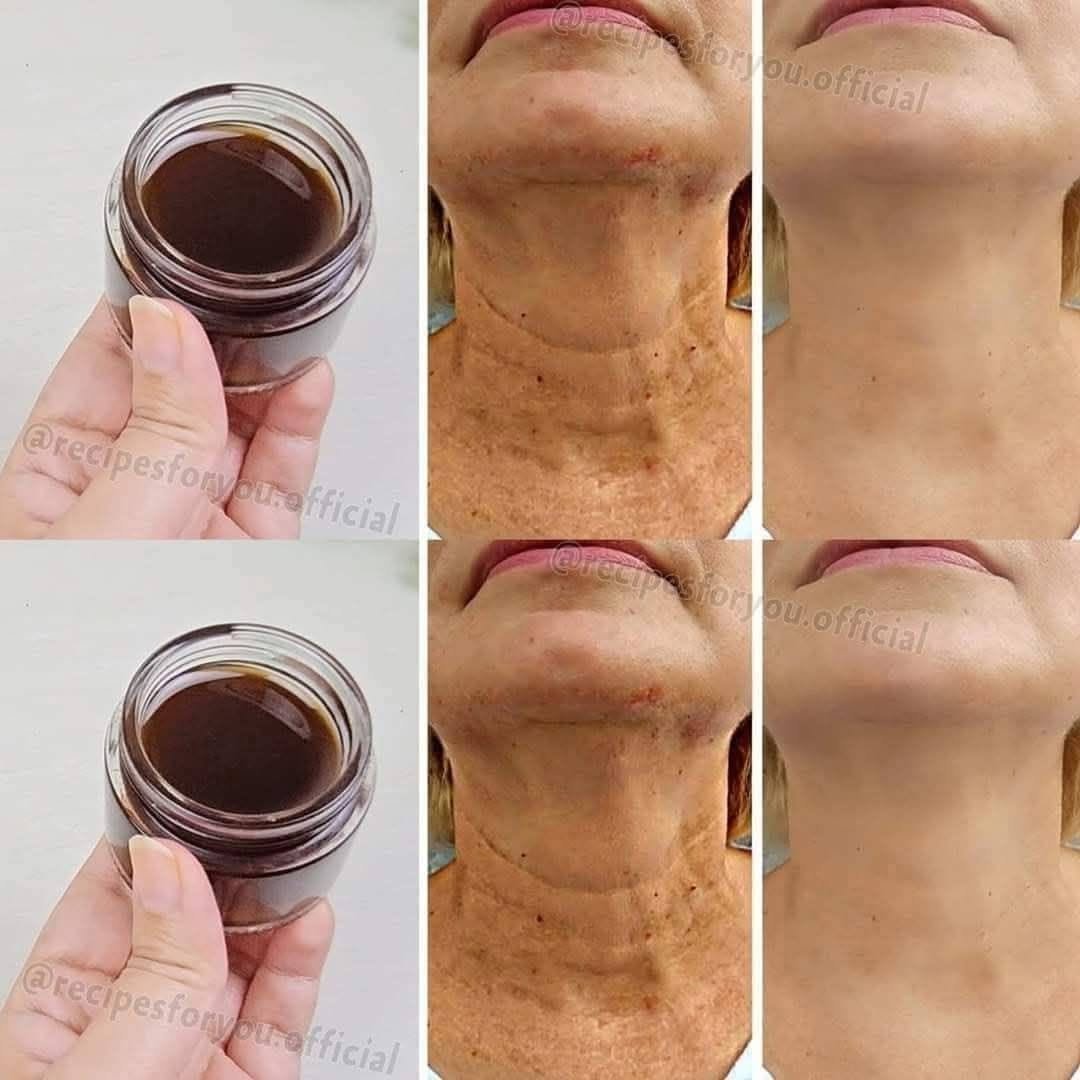
DIY Coffee Oil for Anti-Aging: A Natural Recipe for Softer, Smoother, Glowing Skin
DIY Coffee Oil for Anti-Aging: A Natural Recipe for Softer, Smoother, Glowing Skin
What if one of your favourite kitchen ingredients could become part of your skincare routine? Coffee is more than just a popular morning drink. It contains naturally occurring antioxidants and plant compounds that have attracted attention in the beauty industry.
Coffee-based skincare products are becoming increasingly popular because of their potential cosmetic benefits. From facial oils to exfoliating scrubs, coffee is used in different ways to help improve the appearance and feel of the skin.
As we age, our skin naturally loses some of its elasticity and moisture. Fine lines, wrinkles, uneven skin tone, and dryness may gradually become more noticeable. This is why many people explore natural skincare ingredients that help keep their complexion looking healthy.
One interesting option is coffee-infused oil. When combined with a suitable carrier oil, it can create a nourishing skincare preparation that helps soften and moisturize dry skin.
Let’s explore its potential benefits, how to prepare it, and how to use it safely.
Why Is Coffee Used in Anti-Aging Skincare?
Coffee contains several naturally occurring compounds, including caffeine and polyphenols.
These compounds have antioxidant properties and are widely studied for their potential applications in cosmetic skincare.
Coffee extracts are also used in some commercial beauty products designed to improve the appearance of tired-looking skin.
However, applying homemade coffee oil has not been proven to reverse skin aging, eliminate wrinkles, or produce results comparable to cosmetic procedures.
Its most realistic benefit is helping condition and moisturize the skin when combined with an appropriate carrier oil.
5 Potential Benefits of Coffee Oil for Skin
1. Provides Antioxidant Compounds
Coffee contains polyphenols and other antioxidant compounds that have attracted scientific interest.
Antioxidants help protect cells against oxidative stress under certain conditions.
Coffee extracts are therefore used in various cosmetic formulations. However, the antioxidant activity observed in laboratory studies does not automatically mean that homemade coffee oil prevents wrinkles or reverses skin aging.
2. Helps Moisturize Dry Skin
One of the main advantages of using coffee-infused oil is the carrier oil itself.
Depending on the oil selected, the preparation may help soften dry skin and reduce moisture loss.
Popular carrier oils include:
- Jojoba oil.
- Sweet almond oil.
- Olive oil.
A properly formulated facial oil can leave the skin feeling smoother and more comfortable.
3. May Temporarily Improve the Appearance of Tired Skin
Caffeine is commonly included in commercial eye creams and cosmetic products designed for puffiness.
Some topical caffeine formulations may temporarily improve the appearance of under-eye puffiness.
However, there is limited evidence that homemade coffee-infused oil produces the same effects.
It should not be considered a treatment for persistent dark circles or under-eye pigmentation.
4. Helps Improve Skin Softness
Dry skin can appear rough, uneven, and dull.
Applying a suitable moisturizing oil may help improve the skin’s texture by conditioning its outer surface.
With regular use, a compatible carrier oil may help maintain softer and smoother-looking skin.
5. Gives the Skin a Healthy-Looking Glow
Well-moisturized skin often reflects light more evenly, creating a naturally healthy-looking appearance.
A small amount of facial oil can help reduce the appearance of dryness and leave the complexion looking more radiant.
This is a cosmetic moisturizing effect rather than a permanent skin-brightening treatment.
How to Make Homemade Coffee-Infused Oil
You can prepare a simple coffee-infused oil using a suitable carrier oil and completely dried coffee grounds.
For facial use, cleanliness and moisture control are particularly important.
Ingredients
- 1/2 cup completely dried coffee grounds.
- 1/2 cup jojoba oil or sweet almond oil.
- A clean, completely dry glass jar.
- A fine strainer or clean filter.
Instructions
Step 1: Prepare the Coffee Grounds
Use thoroughly dried coffee grounds. Do not use wet or freshly brewed grounds because residual moisture can encourage microbial growth in homemade oil preparations.
Step 2: Combine the Ingredients
Place the dried coffee grounds in a clean, dry glass jar. Pour in the carrier oil until the grounds are covered.
Step 3: Allow the Oil to Infuse
Close the jar tightly and keep it in a cool, dark location. Gently shake it occasionally.
Allow the mixture to infuse for approximately one to two weeks.
Step 4: Strain the Mixture
Filter the preparation carefully using a clean, dry strainer or suitable filter.
Remove all visible coffee particles.
Step 5: Store Properly
Transfer the filtered oil into a clean, dry, airtight container.
Avoid introducing water or wet utensils into the preparation. Do not assume homemade oil is safe for six months; discard it if its smell, colour, or consistency changes, and prepare small batches rather than storing it for extended periods.
For facial skincare, a commercially manufactured coffee-infused oil from a reputable supplier is generally a more reliable option because its formulation and quality controls are known.
How to Use Coffee Oil on Your Face
If your skin tolerates the oil, you can introduce it gradually into your evening skincare routine.
- Cleanse your face with a gentle facial cleanser.
- Pat your skin dry.
- Apply one or two drops of the oil to your fingertips.
- Gently spread it over dry areas of your face.
- Avoid the eyelids and immediate eye area.
- Allow the oil to settle before applying any other suitable skincare products.
Start by using it once or twice a week rather than applying it every night immediately.
If your skin becomes irritated, develops redness, or starts itching, discontinue use.
Additional Tips for Healthier, Younger-Looking Skin
Coffee oil alone cannot prevent the natural aging process. A consistent skincare routine is much more important.
Consider these everyday habits:
Wear sunscreen: Daily broad-spectrum SPF 30 or higher sunscreen helps protect against premature skin aging caused by ultraviolet exposure.
Stay hydrated: Drink sufficient water throughout the day and use a suitable moisturizer to prevent excessive dryness.
Eat antioxidant-rich foods: Include fruits, vegetables, nuts, and other nutritious foods in your diet.
Get enough sleep: Consistent, adequate sleep supports general health and helps maintain normal skin function.
Avoid smoking: Smoking contributes to premature skin aging and can damage collagen and elastin.
Consider evidence-based skincare: Ingredients such as retinoids can help improve certain signs of photoaging when used appropriately.
Important Precautions Before Using Coffee Oil
Natural skincare ingredients are not automatically suitable for every skin type.
Keep the following precautions in mind:
- Always perform a patch test before applying a new preparation to your face.
- Avoid applying the oil to broken, irritated, or inflamed skin.
- Keep the mixture away from your eyes.
- Avoid adding unnecessary essential oils or fragrances.
- If you have acne-prone skin, introduce facial oils cautiously because some formulations may worsen breakouts.
- Stop using the preparation if you experience itching, burning, swelling, or redness.
People with sensitive skin or existing skin conditions should consult a dermatologist before experimenting with homemade skincare products.
Frequently Asked Questions
1. Can coffee oil remove wrinkles?
Coffee oil has not been clinically proven to remove established wrinkles. However, a moisturizing carrier oil may temporarily make dehydration-related fine lines appear less noticeable.
2. Is coffee oil stronger than Botox?
No. This is an exaggerated beauty claim. Botox temporarily reduces the activity of specific facial muscles, while coffee-infused oil primarily provides surface-level moisturizing and conditioning benefits. They work in completely different ways.
3. Can coffee oil make skin look younger?
It may help dry skin appear smoother and more hydrated. However, there is insufficient clinical evidence that homemade coffee oil reverses skin aging.
4. Can I apply coffee oil every night?
You can gradually increase use if your skin tolerates the preparation, but daily application is not necessary. Start with occasional use and monitor your skin.
5. Does coffee oil remove dark spots?
There is no reliable clinical evidence that homemade coffee-infused oil removes pigmentation or dark spots. Daily sunscreen and appropriately formulated skincare ingredients are more established options.
6. Which carrier oil is best for making coffee oil?
Jojoba oil is a popular choice for facial skincare because of its lightweight feel. Sweet almond oil is another option, although people with nut allergies should avoid it.
Final Thoughts
Coffee is an interesting ingredient in the world of natural skincare. Its naturally occurring antioxidants and caffeine have made coffee extracts popular in various cosmetic formulations.
A simple coffee-infused oil may be a useful addition to a moisturizing routine, particularly when combined with a suitable carrier oil.
However, it is important to have realistic expectations. Coffee oil cannot erase wrinkles, restore lost collagen, or replace professional anti-aging treatments.
For healthier-looking skin, focus on consistent moisturization, daily sun protection, balanced nutrition, and a skincare routine suited to your skin type.
Sometimes, the best beauty routine is not about finding a miracle ingredient but choosing simple products that genuinely support your skin.
Disclaimer: This article is for general educational purposes only and does not replace professional dermatological advice. Always patch-test new skincare preparations and consult a qualified dermatologist if you experience persistent skin problems.