Rice Water Benefits: How to Use It for Healthier Hair and Skin
Rice Water Benefits: How to Use It for Healthier Hair and Skin
Have you ever washed rice before cooking and poured the cloudy water straight down the drain? You might be surprised to learn that rice water has been used in traditional beauty routines for generations.
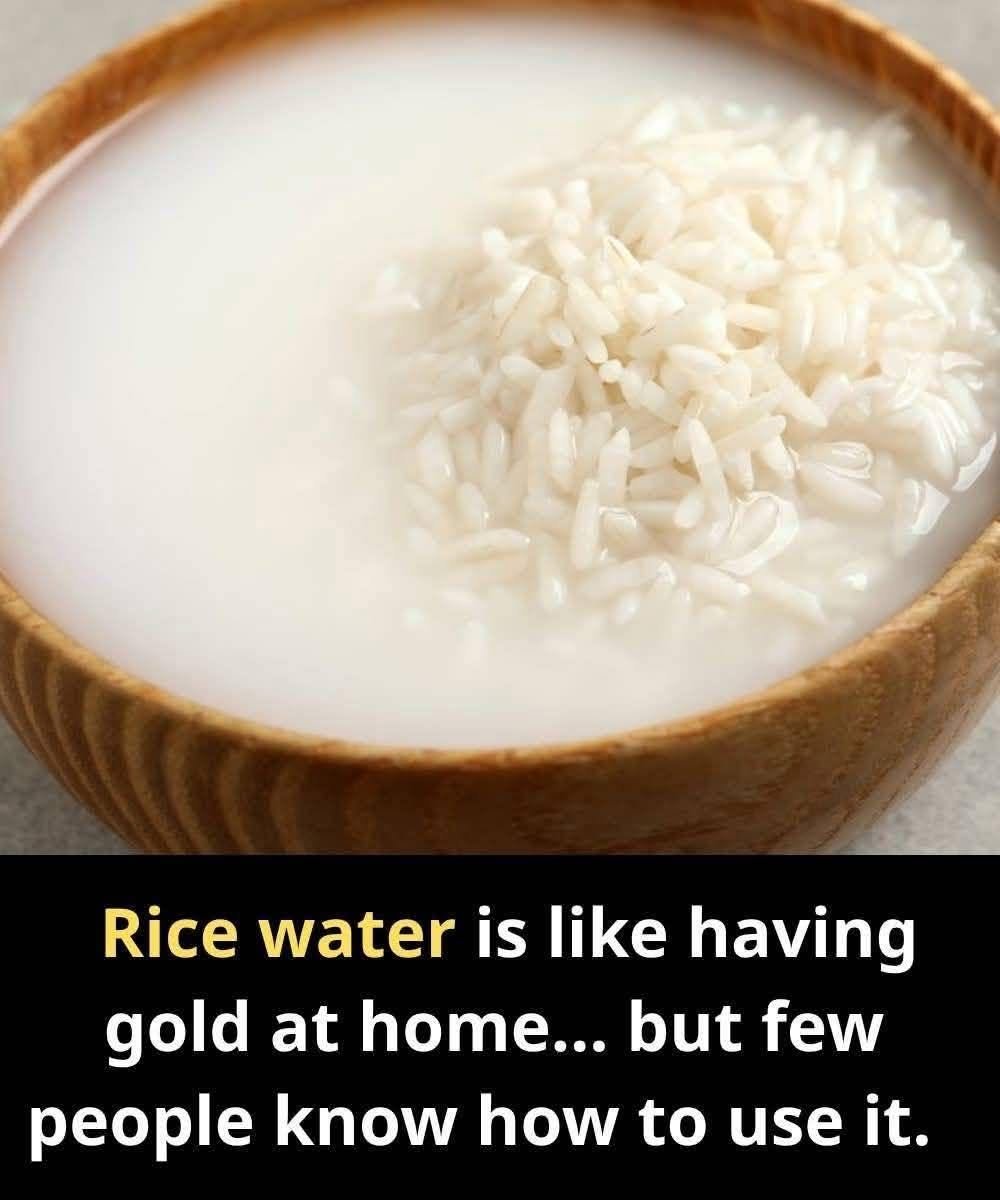
Rice water is the starchy liquid left after soaking, rinsing, or boiling rice. It contains small amounts of starch, carbohydrates, and other water-soluble compounds from the rice.
Today, it is particularly popular as a homemade hair rinse and skincare ingredient. Some people believe it can make hair shinier, reduce breakage, and leave skin feeling softer.
But what does science actually say about rice water? Can it really improve your hair and skin, and how should you use it safely?
Let’s explore its potential benefits, simple preparation methods, and important precautions.
1. What Makes Rice Water Special?
Rice water is a simple preparation that requires only two ingredients: rice and clean water.
Depending on how it is prepared, it may contain:
- Starch: The main carbohydrate released into the water, which can leave a temporary coating on hair and skin.
- Amino acids: Small amounts may be present depending on the rice and preparation method.
- Minerals: Some minerals from the rice may dissolve into the water.
- Plant compounds: Rice contains various naturally occurring compounds, although their concentration in homemade rice water varies.
One compound often mentioned in discussions about rice water is inositol. Research has investigated its potential role in hair care, but there is not enough evidence to conclude that ordinary homemade rice water delivers sufficient inositol to promote hair growth.
2. Potential Benefits of Rice Water for Skin
Rice water is frequently used as a homemade facial rinse or toner. Its starch content may leave the skin feeling temporarily smooth, although scientific evidence for many advertised skincare benefits remains limited.
A. May Leave Skin Feeling Softer
The starch in rice water can create a light coating on the skin.
This may temporarily improve how the skin feels, making it seem smoother and softer.
However, rice water is not a replacement for a properly formulated moisturiser.
B. May Provide a Refreshing Skin Rinse
Some people use cooled rice water as a simple facial rinse.
If your skin tolerates it, this can be a refreshing addition to your routine.
However, there is insufficient clinical evidence that rice water shrinks pores, removes dark spots, or significantly improves skin brightness.
C. Potential Antioxidant Properties
Rice contains certain plant compounds that have been investigated for antioxidant activity.
Some laboratory research has examined rice-derived ingredients for potential skin-protective properties.
However, these findings do not establish that homemade rice water prevents wrinkles, reverses ageing, or protects skin against sun damage.
For reliable skin protection, use a moisturiser and broad-spectrum sunscreen with SPF 30 or higher.
3. Rice Water for Hair: Does It Really Work?
Hair care is probably the most popular use of rice water.
Some people use it as a conditioning rinse because the starch may coat hair strands and temporarily improve their appearance.
Here are some potential effects.
A. May Improve Hair Smoothness and Shine
Rice water can leave a thin coating on the surface of hair.
This may temporarily make hair feel smoother and appear shinier.
The effect can vary depending on your hair type, the concentration of the rice water, and how frequently you use it.
B. May Reduce Friction and Breakage
Hair that is dry, tangled, or damaged can be more vulnerable to breakage.
A conditioning treatment that improves surface smoothness may help reduce friction when combing.
However, rice water has not been proven to repair damaged hair or permanently strengthen hair follicles.
C. Does It Help Hair Grow Longer?
You may have heard stories about women from China’s Yao communities, particularly those associated with the village of Huangluo, who are famous for their long hair and traditional rice-water hair-care practices.
These traditions have attracted considerable attention.
However, there is no strong clinical evidence that rice water directly stimulates hair growth or prevents hair loss.
Hair growth depends on several factors, including genetics, hormones, nutrition, scalp health, and overall health.
4. Can Rice Water Soothe Irritated Skin?
Some homemade beauty guides recommend rice water for itching, redness, eczema, and sunburn.
Although certain rice-derived skincare ingredients have been investigated for their potential soothing properties, homemade rice water has not been established as a treatment for these conditions.
If you have eczema, sensitive skin, or an unexplained rash, avoid relying on rice water instead of appropriate treatment.
For mild irritation, a fragrance-free moisturiser and gentle skincare routine may be more suitable.
Seek medical advice if irritation persists, becomes painful, or shows signs of infection.
5. Does Drinking Rice Water Improve Digestion?
Rice water has traditionally been consumed in some cultures, particularly as a simple rice-based drink.
However, homemade rice water should not be confused with a medically formulated oral rehydration solution.
Oral rehydration solutions contain carefully measured amounts of glucose and electrolytes, including sodium and potassium, to help replace fluids lost through diarrhoea and vomiting.
Ordinary rice water does not reliably provide the same balance.
If you have diarrhoea, use an appropriate oral rehydration solution and seek medical advice when symptoms are severe, persistent, or accompanied by signs of dehydration.
6. How to Make Rice Water at Home
If you want to try rice water as an occasional hair rinse or facial rinse, the soaking method is simple.
Method 1: Basic Rice Water
Ingredients:
- Half a cup of plain rice
- 2 cups of clean drinking water
Preparation:
- Place the rice in a clean bowl.
- Rinse it briefly and discard the first rinse if it contains visible dirt or debris.
- Add 2 cups of fresh drinking water.
- Gently stir the rice for approximately 30 seconds.
- Leave it to soak for around 20–30 minutes.
- Strain the liquid into a clean container.
Your rice water is now ready for external use.
Method 2: Boiled Rice Water
Ingredients:
- Half a cup of rice
- 3 cups of water
Preparation:
- Place the rice and water in a clean saucepan.
- Bring the mixture to a boil.
- Cook until the rice begins to soften.
- Strain the water into a clean container.
- Allow it to cool completely before external use.
Boiled rice water is more concentrated in starch, so you may wish to dilute it with clean water before applying it to your hair.
7. How to Use Rice Water for Hair and Skin
Hair Rinse
- Wash your hair with your usual shampoo.
- Apply a small amount of cooled rice water to your hair lengths.
- Leave it for approximately 5–10 minutes.
- Rinse thoroughly with clean water.
- Follow with conditioner if needed.
Start with occasional use rather than applying it every day.
If your hair becomes stiff, dry, tangled, or coated with residue, discontinue use.
Facial Rinse
- Cleanse your face with a gentle facial cleanser.
- Apply a small amount of freshly prepared, cooled rice water.
- Avoid the eyes and lips.
- Rinse with clean water if irritation occurs.
- Apply your usual moisturiser.
Always perform a patch test on a small area of skin before using a new homemade preparation on your face.
8. Important Storage and Safety Tips
Homemade rice water does not contain preservatives, so it can become contaminated if stored or handled improperly.
Follow these precautions:
- Use clean rice, drinking water, and a thoroughly washed container.
- Prefer freshly prepared rice water.
- Refrigerate any leftover preparation promptly.
- Use it within 24 hours as a cautious household practice.
- Discard it if it develops an unusual smell, changes appearance, or shows signs of contamination.
- Avoid leaving rice water at room temperature for extended periods.
- Do not use fermented rice water on sensitive or damaged skin.
- Never apply it to open wounds or infected areas.
Fermentation does not automatically make rice water safer or more effective. It can also encourage the growth of unwanted microorganisms if preparation and storage are not controlled.
Frequently Asked Questions
Can I use rice water on my hair every day?
Daily use is not necessary and may cause stiffness or residue buildup in some hair types. Start with occasional use and see how your hair responds.
Does rice water stop hair loss?
There is no convincing clinical evidence that rice water prevents hair loss or treats baldness. Persistent hair loss should be assessed to identify its underlying cause.
Can rice water remove dark spots?
Rice water has not been proven to remove hyperpigmentation. For dark spots, consider evidence-based skincare ingredients and daily sunscreen.
Is fermented rice water better than ordinary rice water?
There is insufficient reliable evidence that fermented rice water provides superior hair or skin benefits. Fermentation also introduces additional contamination risks.
Can I leave rice water in my hair overnight?
It is better to avoid leaving homemade rice water in your hair overnight. A short application followed by thorough rinsing is a more cautious approach.
Can I drink rice water every day?
Rice water is not necessary for good health, and there is insufficient evidence to recommend daily consumption for specific health benefits. For hydration, drink clean water and use appropriate oral rehydration solutions when medically needed.
Final Thoughts
Rice water is an inexpensive preparation that has an interesting history in traditional hair and skincare routines.
Its starch content may temporarily improve hair smoothness and leave skin feeling soft. However, many popular claims about eliminating dark spots, reversing ageing, stimulating hair growth, and treating skin conditions have not been established by good-quality human research.
If you decide to try rice water, use a freshly prepared version, apply it externally, and pay attention to how your skin and hair respond.
Remember that healthy hair and skin depend on much more than one homemade ingredient. A balanced diet, gentle skincare, appropriate hair care, and good daily habits remain the foundation of long-term results.
Disclaimer: This article is for general informational and educational purposes only. Rice water is not a proven treatment for hair loss, eczema, pigmentation, digestive disorders, or other medical conditions. Consult a qualified healthcare professional for persistent skin, scalp, or digestive problems.