5 Simple Natural Home Remedies to Help Prevent Cavities and Support Healthy Teeth
5 Simple Natural Home Remedies to Help Prevent Cavities and Support Healthy Teeth
A healthy smile is about more than appearance. Strong teeth and healthy gums are essential for eating comfortably, speaking clearly, and maintaining good oral health throughout life.
However, everyday habits such as consuming sugary foods, drinking acidic beverages, and skipping proper brushing can gradually damage tooth enamel and increase the risk of cavities.
The good news is that several simple home practices can help protect your teeth, reduce harmful bacteria, and support better oral hygiene.
While natural ingredients may offer some benefits, it is important to understand that no homemade remedy can repair a cavity or replace professional dental treatment.
Let’s explore five simple ways to support healthier teeth naturally and learn which popular home remedies you should approach with caution.
What Causes Cavities?
Cavities, also known as dental caries or tooth decay, develop when bacteria in dental plaque break down sugars from food and produce acids.
Over time, these acids remove minerals from the tooth enamel. If the process continues without proper care, a small area of damage can develop into a cavity.
Common factors that increase the risk of tooth decay include:
- Frequent consumption of sugary snacks and drinks.
- Poor brushing and flossing habits.
- Inadequate fluoride exposure.
- Frequent snacking throughout the day.
- Dry mouth or reduced saliva production.
- Not visiting a dentist regularly.
Understanding these causes is the first step toward protecting your teeth.
1. Warm Saltwater Rinse for Oral Hygiene
Saltwater rinses are a traditional home practice that may help soothe irritated gums and temporarily reduce discomfort.
A warm saltwater rinse can be useful when your gums feel tender or irritated, although it does not remove established cavities or replace professional dental cleaning.
How to Prepare It
Ingredients:
- 1 glass of warm water.
- Half a teaspoon of ordinary salt.
Instructions:
- Add the salt to the warm water.
- Stir until completely dissolved.
- Take a small mouthful and gently rinse.
- Spit it out rather than swallowing.
- Repeat as needed for temporary gum comfort.
Avoid using excessively hot water or highly concentrated salt solutions.
Remember: Saltwater cannot reverse tooth decay or fill a hole in a tooth.
2. Green Tea for Supporting Oral Health
Green tea contains natural plant compounds called polyphenols, including catechins, which have been studied for their potential effects on oral bacteria and gum health.
Some research suggests that green tea may help support a healthier oral environment.
How to Use It
- Prepare a cup of unsweetened green tea.
- Allow it to cool to a comfortable temperature.
- Enjoy it as part of your daily routine.
- Avoid adding sugar or sweetened syrups.
Green tea is not a substitute for brushing, flossing, or professional dental care.
3. Coconut Oil: Understanding Oil Pulling
Oil pulling involves gently swishing edible oil around the mouth for a short period before spitting it out.
Coconut oil is commonly used because it contains lauric acid, a fatty acid that has demonstrated antimicrobial activity in some laboratory studies.
However, scientific evidence supporting oil pulling as a treatment for cavities or gum disease remains limited.
How to Practice It
If you choose to try oil pulling:
- Take approximately one teaspoon of edible coconut oil.
- Gently move it around your mouth for a few minutes.
- Spit it into a rubbish bin rather than the sink.
- Rinse your mouth with water.
- Continue your normal brushing and flossing routine.
Do not swallow the oil, and avoid oil pulling in young children or anyone who may accidentally inhale it.
Important: Coconut oil cannot rebuild damaged enamel, remove a cavity, or replace fluoride toothpaste.
4. Eat Crunchy Fruits and Vegetables
One of the simplest ways to support oral health is to include fresh fruits and vegetables in your diet.
Foods such as apples, carrots, and celery require chewing, which stimulates saliva production.
Saliva plays an important role in protecting teeth because it helps neutralize acids and provides minerals that support enamel remineralization.
Foods to Include
- Apples.
- Carrots.
- Celery.
- Cucumbers.
- Broccoli.
- Leafy green vegetables.
These foods provide vitamins, minerals, and fiber that contribute to overall health.
However, crunchy foods should not be considered natural toothbrushes. They do not remove all dental plaque, so brushing and flossing remain essential.
5. Use Fluoride Toothpaste for Stronger Enamel
Although fluoride is not a natural home remedy, it is one of the most scientifically supported ways to prevent tooth decay.
Fluoride helps strengthen tooth enamel and supports remineralization during the early stages of tooth decay.
Regular brushing with fluoride toothpaste can significantly reduce the risk of cavities.
Proper Brushing Routine
- Brush twice daily.
- Use fluoride toothpaste containing at least 1,350–1,500 ppm fluoride for adults.
- Brush gently for approximately two minutes.
- Clean all tooth surfaces.
- Spit out the toothpaste without immediately rinsing with water.
Children should use age-appropriate amounts of fluoride toothpaste under adult supervision.
Fluoride toothpaste is particularly important because natural ingredients alone cannot provide the same established cavity-prevention benefits.
Natural Ingredients You Should Never Use to Fill a Cavity
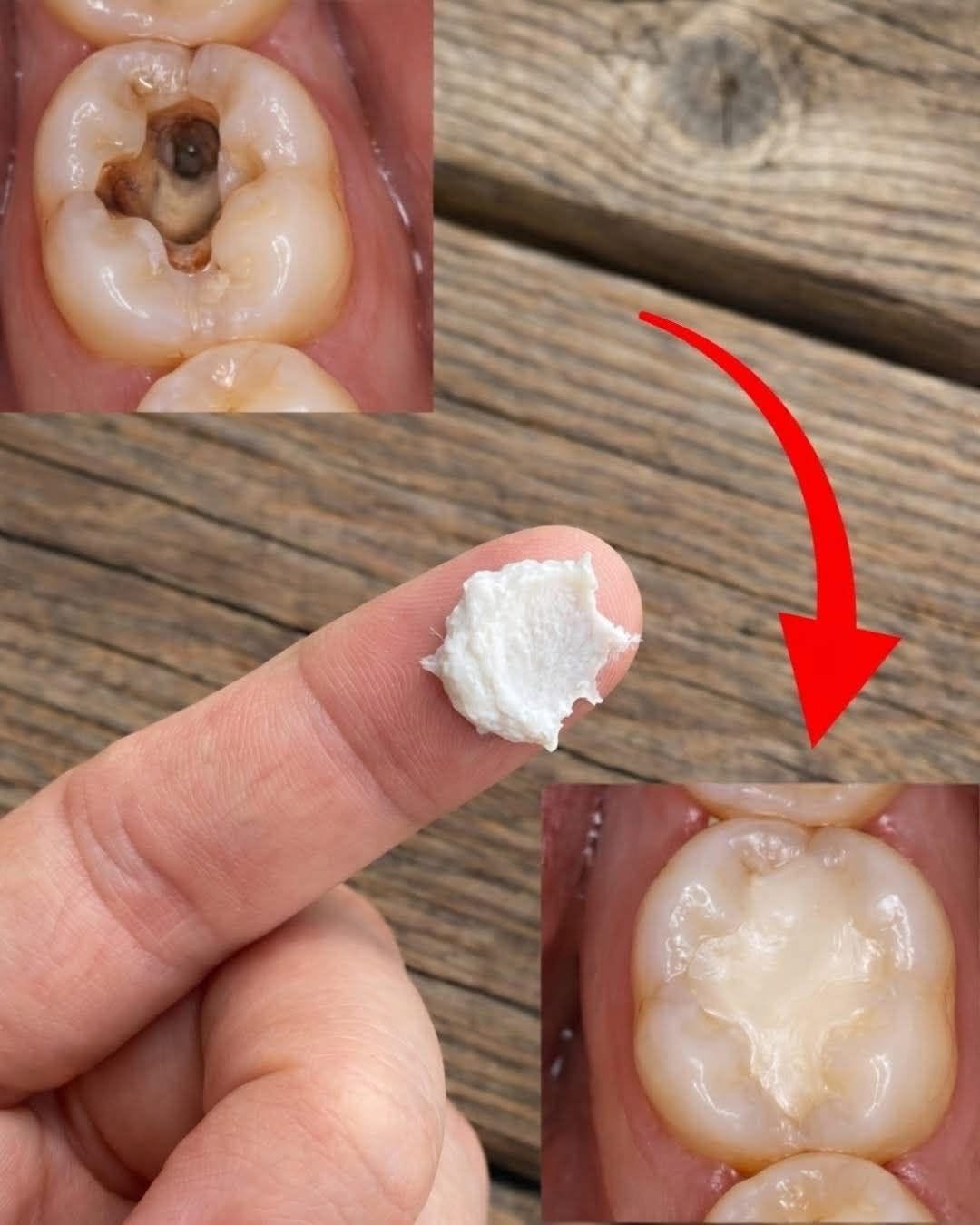
Many online posts promote homemade mixtures that supposedly repair holes in teeth. These claims can be misleading.
Avoid attempting to fill a cavity using:
- Crushed garlic.
- Baking soda paste.
- Lemon juice.
- Undiluted clove oil.
- Coconut oil.
- Homemade herbal mixtures.
Some ingredients may irritate the gums, damage enamel, or delay necessary dental treatment.
If a cavity has already formed, a dentist must assess the damage and determine whether a filling or another treatment is needed.
7 Everyday Habits to Help Prevent Tooth Decay
Alongside the home practices discussed above, these habits can make a meaningful difference.
1. Reduce sugary drinks: Limit soft drinks, sweetened juices, and energy drinks.
2. Avoid frequent snacking: Repeated exposure to sugars gives mouth bacteria more opportunities to produce enamel-damaging acids.
3. Floss daily: Cleaning between your teeth helps remove plaque that a toothbrush may miss.
4. Drink water regularly: Water helps maintain hydration and supports normal saliva production.
5. Avoid smoking: Tobacco use can increase the risk of gum disease and other oral health problems.
6. Visit your dentist: Regular check-ups help identify early signs of decay before they become more serious.
7. Protect your teeth at night: Brush before going to bed and avoid eating sugary snacks afterward.
Warning Signs That You May Have a Cavity
Tooth decay does not always cause pain in its early stages.
Look out for these possible warning signs:
- White, brown, or black spots on a tooth.
- Sensitivity to hot or cold foods.
- Pain when chewing.
- Persistent toothache.
- A visible hole or rough area.
- Food repeatedly getting trapped in one location.
If you notice these symptoms, arrange a dental examination.
Severe toothache, facial swelling, fever, or difficulty swallowing requires urgent medical or dental attention. Difficulty breathing or swallowing is an emergency.
Can You Repair a Cavity Naturally?
This is one of the most common questions about natural dental care.
The answer depends on the stage of tooth damage.
Very early enamel demineralization, before a physical cavity develops, may sometimes be reversed through remineralization with fluoride, saliva, and appropriate dental care.
However, once a physical hole has formed in the tooth, the lost structure cannot naturally grow back.
A dentist may recommend:
- Fluoride treatment for early decay.
- A dental filling for a cavity.
- A crown for more extensive damage.
- Root canal treatment if the tooth’s pulp is affected.
- Extraction in certain cases where the tooth cannot be saved.
Seeking treatment early can help prevent more complicated dental problems.
Frequently Asked Questions (FAQs)
1. Can saltwater cure cavities?
No. Saltwater may temporarily soothe irritated gums, but it cannot remove tooth decay or repair damaged enamel.
2. Does coconut oil remove tooth decay?
There is insufficient clinical evidence that coconut oil pulling prevents or cures cavities. It should never replace established dental care.
3. Can green tea help protect teeth?
Green tea contains polyphenols that have been studied for potential oral-health benefits. However, it is not a substitute for fluoride toothpaste.
4. Can a cavity heal without a filling?
Very early enamel damage may sometimes be reversed through remineralization. An established cavity with a physical hole generally requires professional dental treatment.
5. How many times should I brush my teeth?
Brush twice daily for approximately two minutes using fluoride toothpaste.
6. What foods are good for healthy teeth?
Dairy products, leafy greens, vegetables, nuts, and other nutrient-rich foods can contribute to a balanced diet that supports dental health.
7. When should I visit a dentist?
Visit a dentist regularly and arrange an appointment promptly if you experience tooth sensitivity, pain, visible holes, or changes in your teeth.
Final Thoughts
Maintaining healthy teeth does not require complicated treatments or expensive homemade mixtures. Simple daily habits can make a significant difference in protecting your smile.
Warm saltwater rinses, unsweetened green tea, a balanced diet, and good oral hygiene can complement your dental-care routine.
However, the most effective cavity-prevention habits remain brushing twice daily with fluoride toothpaste, flossing regularly, limiting sugary foods, and attending dental check-ups.
Remember, prevention is easier than treatment. Take care of your teeth every day, and never delay visiting a dentist when you notice signs of tooth decay.
Medical Disclaimer: This article is for educational purposes only and is not intended to replace professional dental advice, diagnosis, or treatment. Home remedies cannot cure established cavities. Consult a qualified dentist for persistent tooth pain, visible tooth damage, or suspected dental infection.