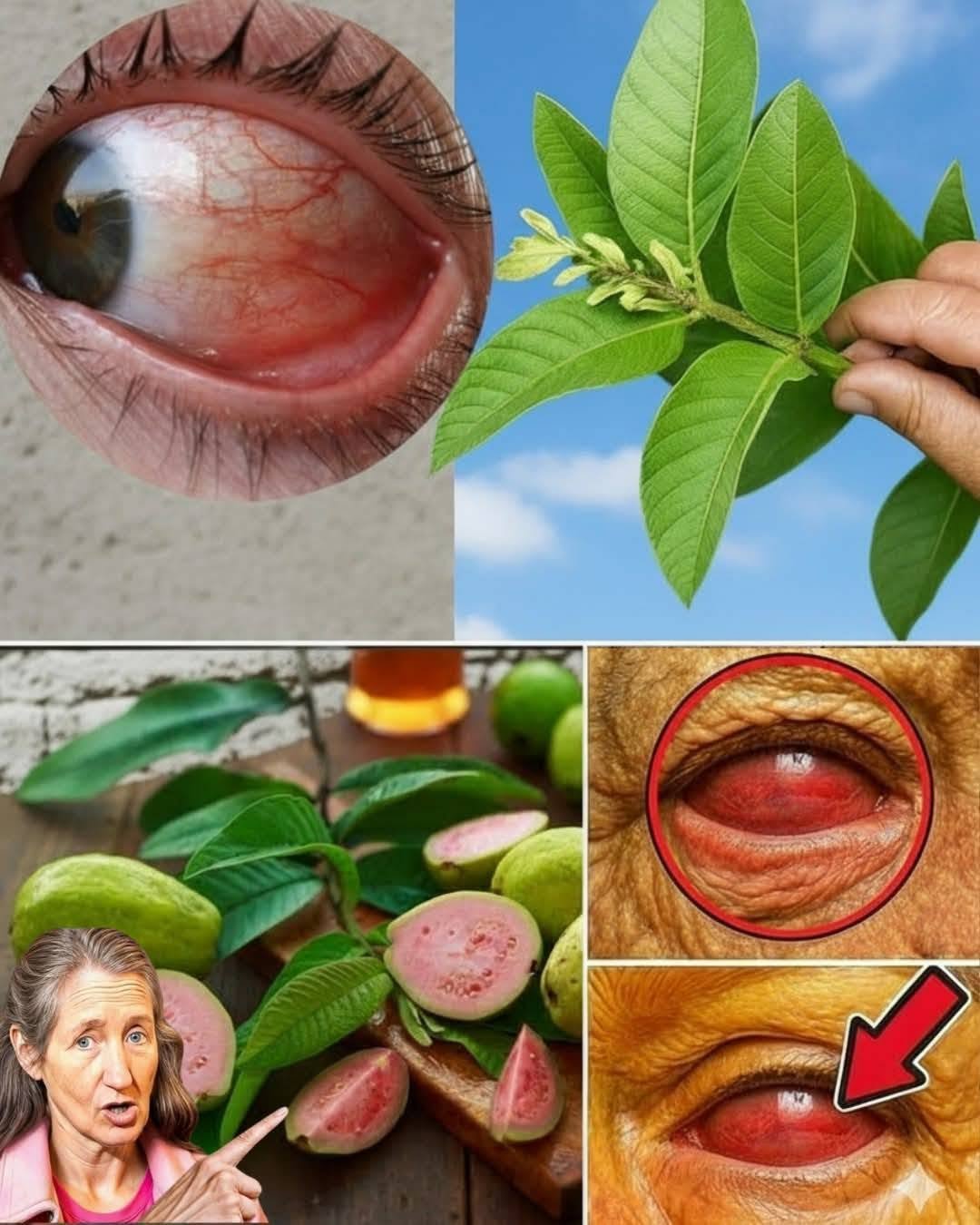
How to Use Guava for Eye Health: 7 Potential Benefits and Natural Ways to Protect Your Vision
How to Use Guava for Eye Health: 7 Potential Benefits and Natural Ways to Protect Your Vision
Guava is one of the most nutritious tropical fruits, packed with vitamin C, antioxidants, fibre and other essential nutrients. While it is commonly enjoyed as a refreshing snack, its nutritional properties may also contribute to maintaining healthy eyes.
Many traditional remedies suggest using guava fruit or leaves to improve eyesight, relieve eye irritation and protect against age-related vision problems.
But can guava really treat eye diseases? Can drinking guava juice restore lost eyesight or remove cataracts?
The answer requires understanding the difference between supporting eye health through nutrition and treating an existing eye condition.
Guava provides nutrients that contribute to general health, but there is currently no strong clinical evidence that guava directly treats cataracts, glaucoma, eye infections or other vision disorders.
Here are seven important things to know about guava and eye health.
1. Guava Is Rich in Vitamin C
One of the most impressive nutritional qualities of guava is its high vitamin C content.
Vitamin C is an antioxidant that helps protect cells against oxidative damage. It also plays an important role in collagen production, which is essential for maintaining the structure of various tissues in the body.
The eyes contain tissues that depend on adequate nutrition to function properly.
Eating vitamin C-rich fruits, including guava, can contribute to a balanced diet that supports general eye health.
However, eating guava has not been proven to reverse existing vision loss or eliminate cataracts.
2. Contains Antioxidants That Help Protect Cells
Guava contains several naturally occurring antioxidant compounds, including vitamin C, carotenoids and polyphenols.
Antioxidants help protect cells from damage caused by unstable molecules known as free radicals.
Oxidative stress has been investigated in connection with age-related eye conditions, including cataracts and age-related macular degeneration.
Including antioxidant-rich fruits and vegetables in your diet is a sensible way to support overall health.
However, antioxidant content alone does not establish that a particular fruit can prevent or cure an eye disease.
3. May Support Healthy Blood Vessels
Vitamin C contributes to normal collagen formation, which helps maintain the structure and function of blood vessels.
Healthy blood vessels are important because the eyes rely on a delicate network of vessels to deliver oxygen and nutrients to different tissues.
Guava can contribute vitamin C to your diet, but there is no evidence that eating it directly improves blood circulation inside the eyes or treats retinal vascular disease.
4. Provides Nutrients for Overall Eye Function
Guava contains several vitamins and minerals that contribute to normal body functions.
A varied diet is important for maintaining healthy tissues, including those involved in vision.
Other foods that provide particularly important eye-related nutrients include:
- Carrots and sweet potatoes for beta-carotene.
- Spinach and kale for lutein and zeaxanthin.
- Almonds and sunflower seeds for vitamin E.
- Eggs for zinc and other nutrients.
- Fish for omega-3 fatty acids.
Eating different colourful fruits and vegetables provides a wider range of nutrients than relying on one particular fruit.
5. May Contribute to Healthy Ageing
Ageing naturally affects different parts of the body, including the eyes.
Some people develop cataracts, age-related macular degeneration or other vision problems as they grow older.
Guava’s vitamin C and other plant compounds make it a useful addition to a nutritious diet.
However, there is no reliable evidence that guava prevents all age-related eye diseases or restores vision lost through ageing.
Regular eye examinations remain important, particularly for older adults.
6. Supports General Immune Health
Vitamin C contributes to normal immune system function.
Guava is an excellent dietary source of this nutrient and can help people meet their daily nutritional requirements.
A healthy immune system is important for protecting the body against infections and supporting normal tissue repair.
However, guava should not be considered an antibiotic or an eye infection treatment.
Redness, discharge, pain or changes in vision require appropriate medical assessment.
7. Provides a Healthy Alternative to Sugary Snacks
Fresh guava contains dietary fibre, water and naturally occurring sugars.
Choosing whole fruit instead of highly processed sugary snacks can support a healthier eating pattern.
Fibre also contributes to digestive health and helps make meals more satisfying.
For people managing diabetes, whole guava in sensible portions can be a useful fruit choice. However, individual carbohydrate requirements should always be considered.
How to Include Guava in Your Daily Diet
You do not need complicated recipes to enjoy the nutritional benefits of guava.
Here are four simple ways to include it in your routine.
1. Eat fresh guava
Wash one medium-sized guava thoroughly and enjoy it as a snack. Eating the whole fruit provides dietary fibre.
2. Prepare fresh guava juice
Blend fresh guava with water and avoid adding sugar. Remember that whole fruit generally provides more fibre than strained juice.
3. Add guava to fruit salads
Combine chopped guava with papaya, oranges, berries and other seasonal fruits for a nutritious snack.
4. Add guava to breakfast
Enjoy guava alongside yogurt, oats or other balanced breakfast foods.
Can Guava Leaves Treat Eye Problems?
Guava leaves are used in various traditional herbal preparations.
They contain plant compounds, including flavonoids and polyphenols, that have been investigated for their antioxidant properties.
However, there is insufficient clinical evidence that guava leaf tea treats eye infections, cataracts, glaucoma or poor eyesight.
Important safety warning: Never put guava leaf extract, guava juice, homemade herbal water or crushed leaves directly into your eyes.
These preparations are not sterile ophthalmic products and may introduce harmful microorganisms or irritate delicate eye tissues.
What Foods Are Actually Good for Your Eyes?
A balanced diet containing different nutrients is more beneficial than relying on guava alone.
Consider including these foods regularly:
Carrots: Provide beta-carotene, which the body converts into vitamin A. Vitamin A is essential for normal vision.
Spinach: Contains lutein and zeaxanthin, carotenoids naturally found in the retina.
Eggs: Provide zinc, vitamin A and other nutrients.
Almonds: Contain vitamin E, which helps protect cells against oxidative damage.
Oily fish: Provides omega-3 fatty acids important for normal retinal function.
Citrus fruits: Provide vitamin C and other beneficial plant compounds.
Combining these foods as part of a varied diet can help provide nutrients needed for healthy eyes.
Important Warning Signs You Should Never Ignore
Some eye conditions develop gradually, while others can cause sudden and serious vision changes.
Seek professional eye care if you experience:
- Blurred or distorted vision.
- Persistent eye pain.
- Sudden loss of vision.
- New flashes of light or numerous floaters.
- Persistent redness or discharge.
- Double vision.
- Increased sensitivity to light.
Sudden vision loss or severe eye pain requires emergency medical attention.
Do not delay an eye examination while experimenting with homemade remedies.
Final Thoughts: Is Guava Good for Your Eyes?
Guava is undoubtedly a nutritious fruit that provides vitamin C, antioxidants and dietary fibre.
Including it in a balanced diet can contribute to general health and provide nutrients involved in maintaining healthy tissues.
However, no scientific evidence currently establishes guava as a natural cure for cataracts, glaucoma, eye infections or other serious vision problems.
The best approach is to combine good nutrition with regular eye examinations, appropriate treatment and healthy daily habits.
Enjoy guava for its nutritional benefits, but remember that protecting your eyesight requires more than one fruit or homemade remedy.
Medical disclaimer: This article is for general educational purposes only. It does not replace professional medical advice, diagnosis or treatment.