Prostate Cancer: Warning Signs, Natural Foods and 7 Important Ways Every Man Can Protect His Health
Prostate Cancer: Warning Signs, Natural Foods and 7 Important Ways Every Man Can Protect His Health
Prostate cancer is one of the most important health concerns affecting men, particularly as they grow older. Although many cases develop slowly, some types can grow aggressively and spread to other parts of the body.
The good news is that advances in medical diagnosis and treatment have helped many men live longer and healthier lives after a prostate cancer diagnosis.
You may have seen online claims about natural drinks, seeds, herbs and homemade remedies that supposedly prevent or cure prostate cancer. While certain foods contain beneficial nutrients, no natural recipe has been scientifically proven to cure prostate cancer.
Understanding the warning signs, knowing your risk factors and seeking medical advice at the right time are much more valuable than relying on miracle remedies.
Here are seven important things every man should know about prostate health.
1. Understand What Prostate Cancer Is
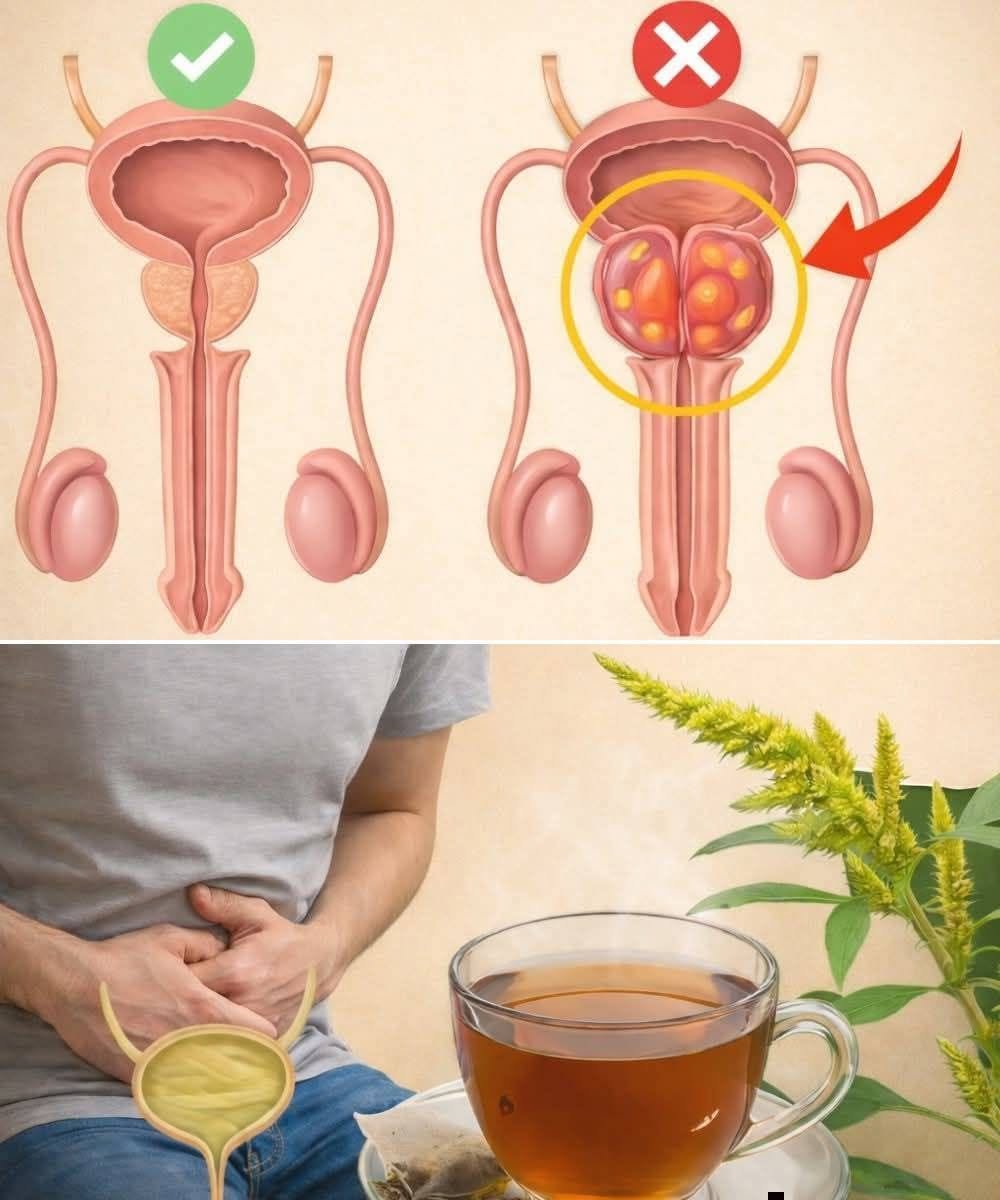
The prostate is a small gland located below the bladder and in front of the rectum. It produces fluid that forms part of semen.
Prostate cancer develops when cells within this gland begin growing abnormally.
It is more common in older men, although younger men can also develop the disease.
Some prostate cancers grow very slowly and may never cause serious problems, while others can spread to nearby tissues, lymph nodes and bones.
Early medical assessment helps doctors determine the nature and severity of the disease.
2. Recognise the Early Warning Signs
Early prostate cancer often causes no noticeable symptoms. This is why understanding risk factors and discussing appropriate testing with a healthcare professional is important.
As the disease progresses, possible warning signs include:
- Difficulty starting urination.
- A weak or interrupted urine stream.
- Frequent urination, particularly at night.
- Feeling that the bladder has not emptied completely.
- Blood in the urine or semen.
- Pain or burning during urination.
- Persistent pain in the lower back, hips or pelvis.
- Unexplained weight loss in more advanced disease.
These symptoms do not necessarily mean someone has prostate cancer. An enlarged prostate and urinary infections can cause similar problems.
Nevertheless, persistent symptoms should never be ignored.
3. Know Your Risk Factors
Certain factors can increase a man’s likelihood of developing prostate cancer.
Age: The risk increases significantly as men grow older, particularly after age 50.
Family history: Men with a father, brother or son who has had prostate cancer may have a higher risk.
Inherited genetic factors: Certain inherited changes, including BRCA1 and BRCA2 mutations and Lynch syndrome, can increase prostate cancer risk.
Ancestry: Men of African ancestry have a higher risk of developing prostate cancer and dying from the disease.
Knowing your family history can help your healthcare professional assess whether earlier discussions about testing are appropriate.
4. Include Nutrient-Rich Foods in Your Daily Diet
A healthy diet supports general health and may contribute to reducing the risk of certain diseases.
Although no particular food can prevent prostate cancer, the following foods provide valuable nutrients.
Tomatoes: Contain lycopene, a natural antioxidant that has been investigated for its possible relationship with prostate health. However, evidence that tomato consumption prevents prostate cancer remains inconclusive.
Pumpkin seeds: Provide zinc, magnesium, protein and healthy fats. They are nutritious but have not been proven to prevent prostate cancer.
Broccoli: Contains fibre, vitamin C and plant compounds called glucosinolates.
Berries: Provide vitamin C and various antioxidant compounds.
Leafy green vegetables: Supply folate, fibre and other essential nutrients.
Fish: Provides protein and, in oily varieties, omega-3 fatty acids.
Beans and lentils: Offer plant protein, fibre and several important minerals.
Eating a variety of these foods is more beneficial than relying on a single supposedly medicinal ingredient.
5. Maintain a Healthy Weight and Stay Physically Active
Regular physical activity is important for maintaining overall health.
Excess body weight has been associated with an increased risk of developing more aggressive forms of prostate cancer.
Healthy lifestyle habits include:
- Walking regularly.
- Participating in moderate physical activity.
- Maintaining a healthy body weight.
- Eating a balanced diet.
- Limiting highly processed foods.
- Avoiding smoking.
- Getting sufficient sleep.
These habits support cardiovascular and metabolic health and may contribute to reducing certain cancer risks.
However, they cannot guarantee that prostate cancer will never develop.
6. Understand the PSA Blood Test
One important tool used in prostate cancer detection is the prostate-specific antigen (PSA) blood test.
PSA is a protein produced by the prostate gland. Higher-than-normal levels can sometimes indicate prostate cancer.
However, an elevated PSA level does not automatically mean cancer is present.
Other conditions, including prostate enlargement and inflammation, can also increase PSA levels.
Depending on the results and individual risk factors, a doctor may recommend:
- Repeating the PSA blood test.
- A prostate examination.
- An MRI scan.
- A prostate biopsy.
Men should discuss the potential benefits and limitations of PSA testing with their healthcare professional before deciding whether screening is appropriate.
7. Never Replace Cancer Treatment With Natural Remedies
Herbal drinks, pumpkin seeds, turmeric, garlic and green tea are frequently promoted online as natural prostate cancer treatments.
Some ingredients contain compounds that have been investigated in laboratory studies, but this does not mean they can destroy cancer cells inside the human body.
There is currently no proven homemade recipe that cures prostate cancer.
Depending on the type and stage of cancer, medical treatment may include:
- Active surveillance for selected low-risk cancers.
- Surgery to remove the prostate.
- Radiation therapy.
- Hormone therapy.
- Chemotherapy.
- Targeted medicines.
- Immunotherapy in selected cases.
The appropriate treatment depends on the individual patient’s diagnosis, cancer characteristics and overall health.
Never delay or discontinue prescribed cancer treatment in favour of an herbal remedy.
Can Prostate Cancer Be Prevented Naturally?
There is no guaranteed way to prevent prostate cancer.
However, maintaining a healthy lifestyle may help support overall wellbeing and potentially reduce certain health risks.
Consider these practical habits:
- Eat a varied diet rich in vegetables, fruits and whole grains.
- Maintain a healthy body weight.
- Exercise regularly.
- Limit processed meats and highly processed foods.
- Avoid smoking.
- Know your family medical history.
- Discuss prostate cancer risk and PSA testing with your doctor.
Be cautious about taking high-dose supplements marketed specifically for prostate cancer prevention. For example, large clinical research has not shown that vitamin E or selenium supplements prevent prostate cancer.
Final Thoughts: Early Awareness Can Save Lives
Prostate cancer is a serious disease, but a diagnosis does not automatically mean a death sentence.
Many prostate cancers grow slowly, and some can be managed with active surveillance. Other cases require prompt medical treatment.
The most important steps are understanding your personal risk, recognising possible warning signs and seeking appropriate medical advice.
Natural foods can support a healthy lifestyle, but they cannot replace cancer screening discussions, diagnostic tests or proven medical treatment.
Do not wait for symptoms to become severe before taking your prostate health seriously. Early awareness and appropriate medical care can make a meaningful difference.
Medical disclaimer: This article is for general educational purposes only. It does not replace professional medical advice, diagnosis or treatment.