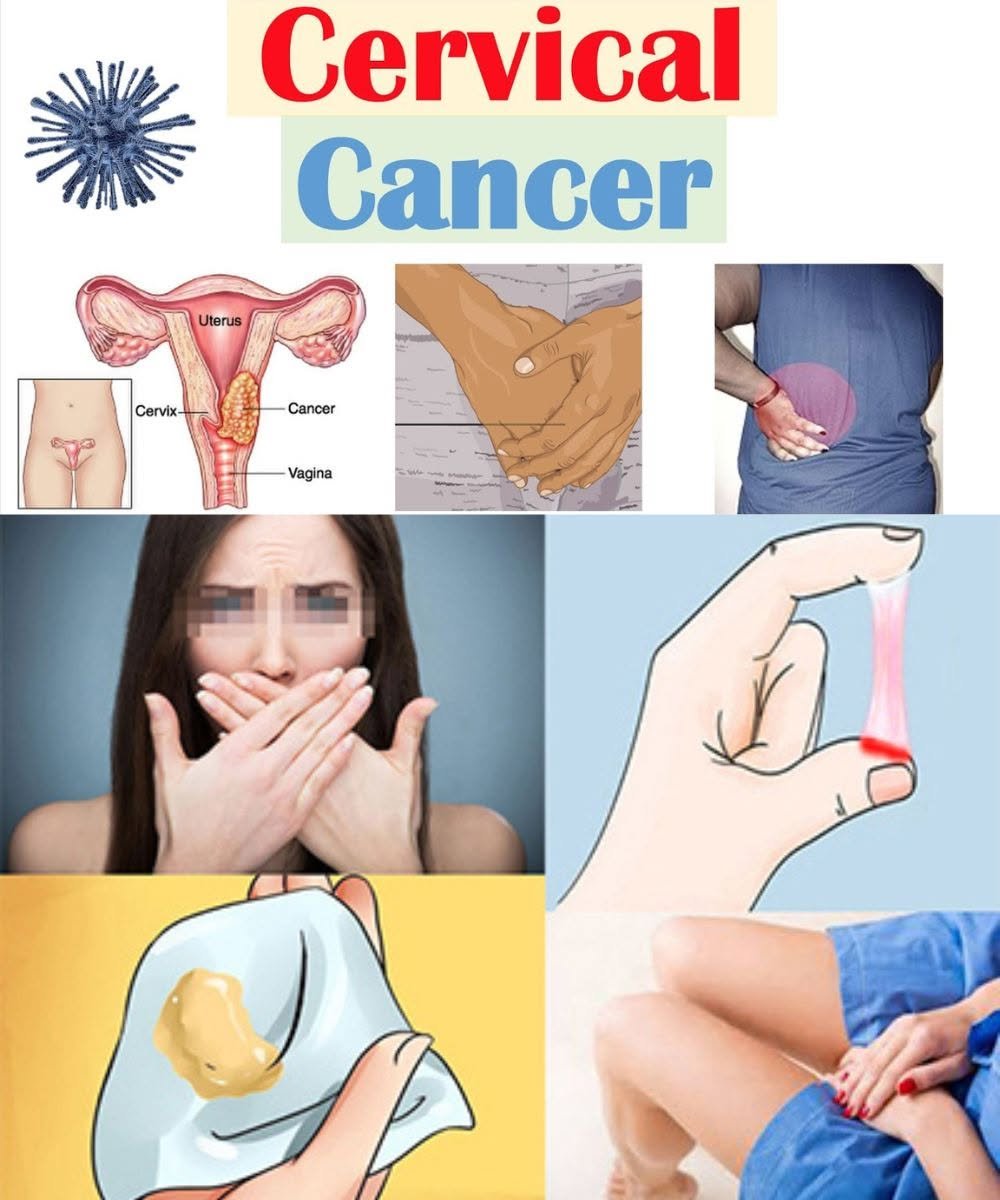
12 Warning Signs Your Uterus Is Crying for Help – Don’t Ignore These Symptoms
12 Warning Signs Your Uterus Is Crying for Help – Don’t Ignore These Symptoms
The uterus plays an important role in a woman’s reproductive health, menstrual cycle and pregnancy. However, many women overlook changes in their menstrual patterns, vaginal discharge and pelvic health, assuming they are simply part of everyday life.
While occasional menstrual discomfort and changes can be normal, persistent or unusual symptoms may indicate an underlying gynaecological condition that needs medical attention.
Some symptoms can be associated with uterine fibroids, endometriosis, hormonal imbalances, infections, cervical abnormalities or, in some cases, uterine and cervical cancer.
Recognising these changes early can help women seek appropriate medical care and avoid unnecessary delays in diagnosis.
Here are 12 warning signs your uterus or reproductive system may need medical attention.
1. Unusually Heavy Menstrual Bleeding
Heavy menstrual bleeding is one of the most common symptoms women should pay attention to.
Although menstrual flow varies from person to person, periods that suddenly become much heavier than usual may indicate an underlying condition.
Possible causes include:
- Uterine fibroids.
- Hormonal imbalances.
- Endometriosis or adenomyosis.
- Uterine polyps.
- Certain bleeding disorders.
Heavy bleeding can also lead to iron-deficiency anaemia, causing tiredness, weakness and dizziness.
What should you do?
Speak with a healthcare professional if your periods become unusually heavy, last longer than normal or interfere with your everyday activities.
2. Bleeding Between Menstrual Periods
Unexpected bleeding or spotting between periods should not automatically be dismissed as a normal hormonal change.
It can occur for several reasons, including hormonal contraception, infections, cervical polyps, uterine fibroids and other reproductive health conditions.
In some cases, unexplained bleeding can also be associated with cervical or uterine cancer.
What should you do?
Arrange a medical assessment if you experience repeated or unexplained bleeding between periods, especially if it is a new change for you.
3. Bleeding After Menopause
Bleeding after menopause is one of the most important warning signs women should never ignore.
Menopause generally means that a woman has gone 12 consecutive months without a menstrual period. Any vaginal bleeding after this point needs medical investigation.
Possible causes include:
- Thinning of the vaginal or uterine lining.
- Uterine polyps.
- Hormonal treatment effects.
- Endometrial abnormalities.
- Uterine cancer.
Although many cases are not cancerous, postmenopausal bleeding can be an early symptom of endometrial cancer.
What should you do?
Contact a healthcare professional promptly, even if the bleeding consists of only a small amount of spotting.
4. Unusual Vaginal Discharge
Vaginal discharge is a normal part of reproductive health. It helps keep the vagina clean and protected.
However, changes in discharge may sometimes indicate an infection or another underlying condition.
Pay attention to discharge that:
- Develops a strong or unpleasant smell.
- Becomes yellow, green or unusually thick.
- Contains blood.
- Appears after menopause.
- Occurs alongside pelvic pain or unusual bleeding.
Possible causes include bacterial infections, sexually transmitted infections and other gynaecological conditions.
What should you do?
Seek medical advice if your discharge changes noticeably, develops an unpleasant smell or is accompanied by pain, itching or bleeding.
5. Persistent Pain in the Lower Abdomen or Pelvis
Occasional menstrual cramps are common. However, persistent pelvic pain outside your menstrual period deserves attention.
This discomfort may feel like pressure, aching, sharp pain or heaviness in the lower abdomen.
Possible causes include:
- Uterine fibroids.
- Endometriosis.
- Adenomyosis.
- Pelvic inflammatory disease.
- Ovarian cysts.
- Other reproductive health conditions.
Persistent pelvic pain can also occur with some gynaecological cancers.
What should you do?
Do not repeatedly rely on painkillers without understanding the cause. Arrange a medical examination if the pain continues, becomes more severe or interferes with daily activities.
6. Pain During Sexual Intercourse
Pain during sexual intercourse is not something women should feel they must simply tolerate.
It may occur because of vaginal dryness, infections, endometriosis, pelvic inflammatory disease or other gynaecological conditions.
Some women experience pain near the vaginal opening, while others feel deeper pain in the pelvis or lower abdomen.
Persistent pain during intercourse can sometimes be associated with cervical or uterine conditions.
What should you do?
Speak with a healthcare professional if intercourse repeatedly causes discomfort or pain. Identifying the underlying cause is important for appropriate treatment.
7. Persistent Lower Back Pain
Lower back discomfort is common and often results from muscle strain, poor posture or spinal problems.
However, persistent pain around the lower back or pelvic region may sometimes be associated with gynaecological conditions.
Possible causes include:
- Endometriosis.
- Uterine fibroids.
- Pelvic inflammatory disease.
- Other pelvic conditions.
In some cases, persistent back or pelvic pain may occur alongside more advanced gynaecological cancer.
What should you do?
Pay attention to pain that does not improve, repeatedly returns or occurs alongside abnormal bleeding, discharge or pelvic discomfort.
8. A Feeling of Pressure or Fullness in the Pelvis
Some women experience a persistent sensation of heaviness, pressure or fullness in their lower abdomen.
This may happen when uterine fibroids become large enough to press against surrounding structures.
Other possible causes include pelvic organ prolapse, ovarian conditions and other pelvic abnormalities.
You may also notice discomfort when standing for long periods or during certain physical activities.
What should you do?
Consult a doctor if pelvic pressure persists, becomes uncomfortable or is accompanied by abdominal swelling or changes in urination.
9. Frequent Urination or Difficulty Emptying Your Bladder
Changes in urination can sometimes be related to reproductive health problems.
For example, large uterine fibroids may press against the bladder, creating a frequent need to urinate.
Other possible causes include:
- Urinary tract infections.
- Overactive bladder.
- Diabetes.
- Pelvic organ prolapse.
- Other pelvic conditions.
What should you do?
If you experience persistent urinary frequency, difficulty emptying your bladder, pain when urinating or blood in your urine, seek medical assessment.
10. Persistent Bloating or Abdominal Swelling
Occasional bloating is common and may be related to digestion, food choices or hormonal changes during the menstrual cycle.
However, persistent abdominal swelling or a noticeable increase in abdominal size should not be ignored.
Possible causes include:
- Uterine fibroids.
- Ovarian cysts.
- Digestive disorders.
- Fluid accumulation.
- Other abdominal or pelvic conditions.
What should you do?
Seek medical advice if bloating continues, becomes progressively worse or occurs alongside pelvic pain, unusual bleeding or unexplained weight changes.
11. Unexplained Weight Loss and Persistent Fatigue
Feeling tired after a busy day is normal. However, ongoing fatigue combined with unexplained weight loss may require further investigation.
Some gynaecological conditions can cause heavy menstrual bleeding, which may lead to iron-deficiency anaemia.
In more serious cases, unexplained weight loss and fatigue can occur with advanced cancers.
Other possible causes include thyroid disorders, nutritional deficiencies, diabetes and chronic illnesses.
What should you do?
If you experience persistent exhaustion or unexpected weight loss without an obvious explanation, arrange a medical assessment. Your doctor may recommend blood tests and other investigations.
12. Changes in Menstrual Patterns That Keep Returning
Your menstrual cycle can provide useful information about your reproductive health.
Although cycle length and bleeding patterns naturally vary, repeated or significant changes deserve attention.
Watch for:
- Periods that suddenly become irregular.
- Menstrual bleeding that lasts much longer than usual.
- Repeated missed periods.
- Increasingly painful periods.
- Bleeding that becomes unusually heavy.
- Significant changes in your normal cycle.
These changes may be associated with hormonal imbalances, thyroid problems, polycystic ovary syndrome (PCOS), fibroids or other reproductive health conditions.
What should you do?
Keep track of your menstrual cycle and discuss persistent changes with your healthcare professional.
Can These Symptoms Be Signs of Uterine or Cervical Cancer?
Some of the symptoms discussed above can occur with uterine (endometrial) cancer or cervical cancer. However, it is important to understand that these are two different conditions.
Uterine cancer usually begins in the lining of the uterus. One of its most important warning signs is abnormal vaginal bleeding, particularly bleeding after menopause.
Cervical cancer develops in the cervix, the lower part of the uterus that connects to the vagina. Possible symptoms include bleeding after sexual intercourse, bleeding between periods, unusual vaginal discharge and pelvic pain.
Importantly, early cervical cancer often causes no noticeable symptoms. This is why appropriate cervical screening is important even when a woman feels completely healthy.
If you experience unusual vaginal bleeding, persistent pelvic pain or unexplained changes in discharge, seek medical advice rather than assuming the symptoms will disappear.
How Can Women Protect Their Uterine and Reproductive Health?
Taking care of reproductive health involves more than simply managing menstrual discomfort.
Consider these important habits:
- Attend recommended screenings: Follow local cervical screening guidance and discuss HPV testing with your healthcare professional.
- Consider HPV vaccination: HPV vaccination helps protect against the types of human papillomavirus responsible for most cervical cancers.
- Track your menstrual cycle: Record changes in bleeding, pain and cycle length.
- Maintain a balanced diet: Include vegetables, fruits, whole grains, protein and iron-rich foods.
- Stay physically active: Regular exercise supports overall health and helps maintain a healthy weight.
- Avoid smoking: Smoking is an established risk factor for cervical cancer.
- Do not ignore unusual bleeding: Seek medical advice for bleeding between periods or after menopause.
Final Thoughts
Your reproductive health deserves the same attention as every other aspect of your wellbeing.
Unusually heavy periods, unexpected bleeding, persistent pelvic pain, unusual discharge and changes in urination can sometimes indicate underlying health conditions.
These symptoms do not automatically mean that something serious is wrong. However, ignoring persistent changes can delay diagnosis and treatment.
The most important message is simple: Know what is normal for your body, pay attention to unusual changes and seek medical advice when something does not feel right.
Early assessment can make a significant difference, particularly when dealing with conditions such as uterine and cervical cancer.
Medical Disclaimer: This article is for educational purposes only and should not replace professional medical advice, diagnosis or treatment. Always consult a qualified healthcare professional about unusual or persistent symptoms.