8 Signs That Your Body Is Crying for Help: Warning Symptoms You Should Never Ignore
8 Signs That Your Body Is Crying for Help: Warning Symptoms You Should Never Ignore
Your body has its own way of telling you when something isn’t right. Sometimes, these signals are subtle, appearing as changes in your skin, mouth, nails, energy levels or everyday habits. Other times, they can be more noticeable and difficult to ignore.
Many people dismiss unusual symptoms as signs of stress, ageing, poor sleep or simply getting older. However, persistent or unexplained changes in your body may sometimes indicate an underlying health problem that deserves attention.
Recognising these warning signs early can help you seek medical advice before a minor issue becomes more serious.
Here are eight changes your body may be trying to tell you not to ignore.
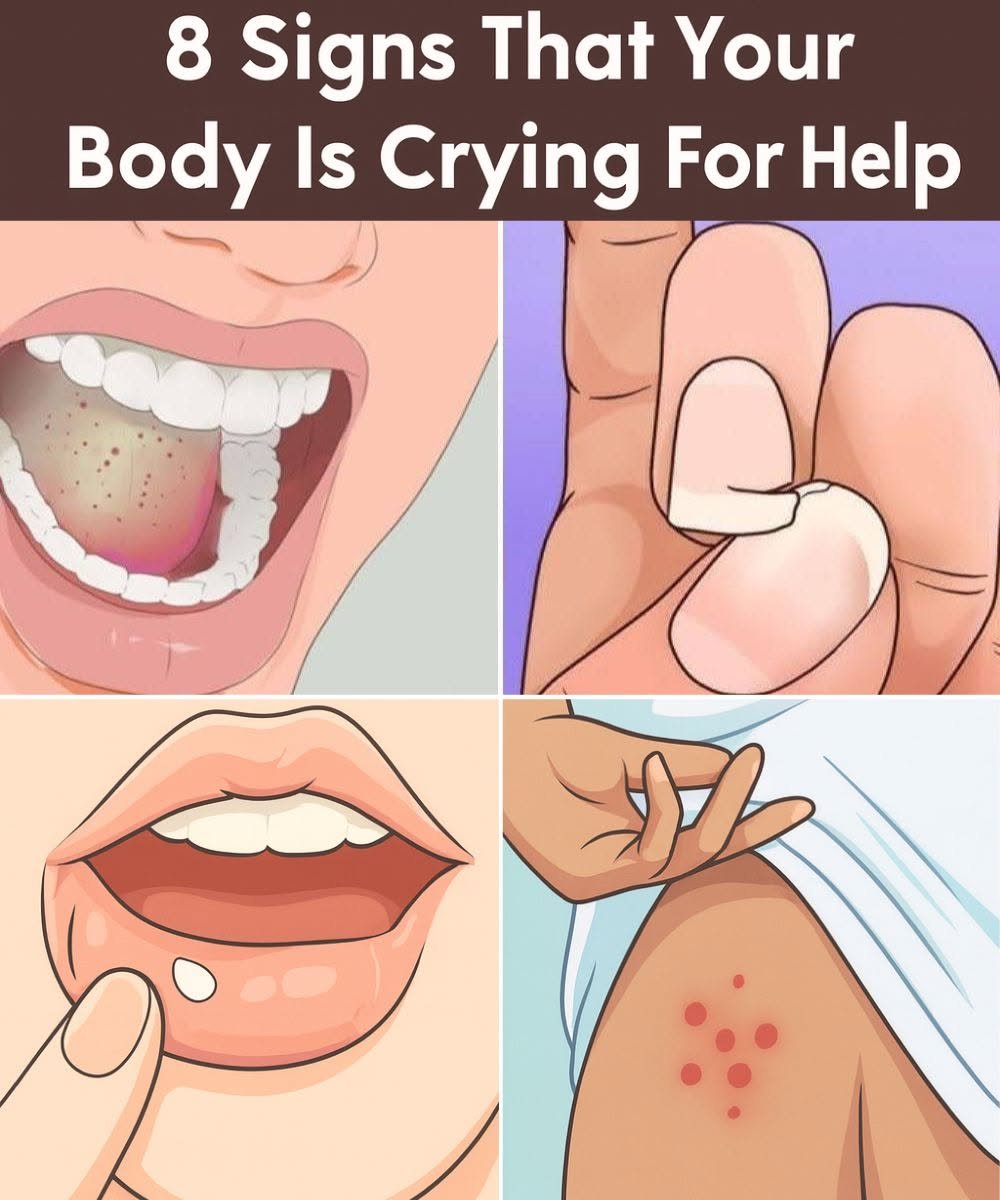
1. Unusual Changes on Your Tongue
Your tongue can provide useful clues about your general health. Changes in its colour, texture or appearance may sometimes be associated with nutritional deficiencies, infections or other medical conditions.
For example:
- A smooth, unusually red tongue may be associated with iron or vitamin B12 deficiency.
- White patches may indicate oral thrush or other conditions.
- Persistent dark or unusual spots should be examined, especially if they change or do not disappear.
- A swollen or sore tongue may occur with nutritional deficiencies or allergic reactions.
What should you do?
Maintain good oral hygiene and arrange a dental or medical examination if unusual changes persist. Do not assume that every tongue discolouration indicates a vitamin deficiency.
2. Changes in Your Fingernails
Your fingernails can sometimes reflect changes in your health. Pay attention to unusual changes in their colour, thickness, shape or growth.
Some changes worth noticing include:
- Brittle nails that break easily.
- Spoon-shaped nails, which can sometimes be associated with iron deficiency.
- Yellow or thickened nails, which may indicate a fungal infection.
- Unusual dark lines or pigmentation.
- Nails that become separated from the nail bed.
Nail changes can have many causes, including ageing, infections, nutritional problems and certain medical conditions.
What should you do?
If you notice sudden, unexplained or persistent nail changes, consult a healthcare professional. A new or changing dark line affecting one nail should be assessed promptly.
3. Persistent Dryness or Cracking Around Your Mouth
Dry lips and cracks at the corners of your mouth are common problems that people often overlook.
However, recurring cracks, redness or soreness around the mouth may sometimes be associated with:
- Iron deficiency.
- Vitamin B deficiencies.
- Dehydration.
- Fungal or bacterial infections.
- Skin irritation or allergic reactions.
A condition known as angular cheilitis can cause painful cracks at the corners of the mouth.
What should you do?
Stay hydrated, protect your lips from excessive dryness and avoid repeatedly licking them. If cracking keeps returning or becomes painful, seek medical advice to identify the underlying cause.
4. Unexplained Skin Rashes or Red Spots
Your skin is the body’s largest organ, and changes in its appearance can sometimes indicate an underlying health issue.
Unexplained red spots, itching, swelling or recurring rashes may be associated with:
- Allergic reactions.
- Eczema or dermatitis.
- Skin infections.
- Medication reactions.
- Inflammatory conditions.
Some rashes are harmless, while others require medical attention.
What should you do?
Avoid scratching irritated skin and consider whether you have recently changed soaps, detergents, skincare products or medications.
Seek medical advice if a rash spreads, becomes painful, develops blisters or is accompanied by fever.
A rash that does not fade when pressed, particularly with fever or feeling very unwell, needs urgent medical assessment.
5. Constant Fatigue and Unusual Weakness
Feeling tired after a demanding day is normal. However, constantly feeling exhausted despite getting enough sleep may deserve further investigation.
Persistent fatigue can be associated with several conditions, including:
- Iron-deficiency anaemia.
- Vitamin B12 deficiency.
- Thyroid disorders.
- Diabetes.
- Sleep apnoea.
- Chronic infections.
- Stress and depression.
What should you do?
Pay attention to how long your fatigue lasts and whether it affects your daily activities. A doctor may recommend blood tests to investigate possible causes.
Do not rely on energy drinks or supplements to mask unexplained, persistent tiredness.
6. Frequent Thirst and Increased Urination
Feeling thirsty after exercise or spending time in hot weather is perfectly normal. However, constantly feeling thirsty and needing to urinate more frequently may be a warning sign.
These symptoms can sometimes be associated with high blood glucose levels and diabetes.
Other possible symptoms include:
- Increased hunger.
- Unexplained weight loss.
- Blurred vision.
- Slow-healing cuts.
- Unusual tiredness.
What should you do?
If you experience persistent excessive thirst and frequent urination, arrange a blood glucose test and medical assessment.
Sudden severe thirst accompanied by vomiting, abdominal pain, confusion or rapid breathing requires urgent medical attention.
7. Unexpected Weight Changes
Unexplained weight loss or weight gain can sometimes be a sign that something is affecting your body’s normal functioning.
Unintentional weight loss may be associated with:
- Diabetes.
- Thyroid disorders.
- Digestive problems.
- Chronic infections.
- Certain cancers.
Unexpected weight gain may sometimes be linked to hormonal changes, medication side effects or fluid retention.
What should you do?
Monitor significant changes in your weight, particularly when they occur without changes to your diet or physical activity.
If you experience unexplained weight loss, persistent swelling or rapid weight gain, consult your healthcare professional.
8. Digestive Problems That Keep Returning
Occasional bloating or indigestion is common. However, persistent changes in your digestive system should not be ignored.
Pay attention to symptoms such as:
- Frequent abdominal pain.
- Persistent bloating.
- Ongoing diarrhoea or constipation.
- Changes in bowel habits.
- Blood in your stool.
- Difficulty swallowing.
These symptoms may be associated with food intolerances, digestive disorders, infections or other underlying conditions.
What should you do?
Keep track of your symptoms, dietary habits and how frequently digestive problems occur. Seek medical advice if symptoms persist or worsen.
Blood in your stool, unexplained ongoing changes in bowel habits or difficulty swallowing should be medically assessed rather than dismissed.
When Should You Seek Medical Attention?
Not every unusual symptom means something serious is happening. Many changes in the body have simple explanations and can be treated effectively.
However, certain symptoms should never be ignored.
Seek emergency medical assistance if you experience:
- Sudden chest pain or difficulty breathing.
- Sudden weakness or numbness on one side of your body.
- Severe allergic reactions involving swelling of the tongue or throat.
- Fainting or sudden confusion.
- Severe abdominal pain.
- A rapidly spreading rash accompanied by fever or serious illness.
For other persistent or unexplained symptoms, arrange an appointment with your doctor.
Final Thoughts
Your body constantly communicates through changes in appearance, energy levels and everyday functions. Unusual tongue changes, nail abnormalities, recurring skin rashes, persistent fatigue and unexpected weight changes can sometimes provide important clues about your health.
The most important thing is not to panic or attempt to diagnose yourself based on a single symptom.
Instead, pay attention to changes that persist, keep returning or become progressively worse. Early medical assessment can help identify potential problems and ensure you receive appropriate treatment.
Remember: Listening to your body is important, but getting the right medical advice is what helps protect your health.
Medical Disclaimer: This article is intended for general educational purposes only. The symptoms discussed are not diagnostic of any particular disease. Always consult a qualified healthcare professional for individual medical advice.