Avoid Ginger If You Have These Health Problems: 6 Important Precautions You Should Know
Avoid Ginger If You Have These Health Problems: 6 Important Precautions You Should Know
Ginger is one of the most popular natural ingredients used around the world. From soothing nausea to adding flavour to everyday meals, this familiar root has been valued for its potential health benefits for centuries. Many people enjoy ginger tea, fresh ginger, or ginger-based remedies as part of their daily routine.
However, despite its natural origins and potential health benefits, ginger is not suitable for everyone in unlimited quantities. Certain medical conditions and medications may make people more sensitive to its effects.
Does ginger affect your kidneys? Can it interfere with blood pressure medication? And who should be careful before drinking ginger tea every day?
Let’s explore six situations in which extra caution may be necessary.
1. People Taking Blood-Thinning Medications
Ginger contains naturally occurring compounds that may influence platelet activity. This has raised concerns about possible interactions with medications that reduce blood clotting.
People taking medicines such as warfarin, clopidogrel or prescribed aspirin should be particularly cautious with concentrated ginger supplements.
Combining supplements with blood-thinning medication could potentially increase bleeding risks, although the clinical evidence is limited.
What should you do?
If you take blood-thinning medication, speak with your healthcare professional before regularly using ginger supplements or consuming large medicinal quantities.
2. People With Gallstones
Ginger may influence bile production and digestive activity. For people with gallstones or certain gallbladder conditions, this is worth discussing with a healthcare professional.
Gallstones can sometimes cause abdominal pain, particularly after eating fatty meals. Although ordinary dietary ginger is not established as a cause of gallstone complications, people with symptomatic gallbladder disease should be cautious about concentrated supplements.
What should you do?
If you have been diagnosed with gallstones or experience recurring pain in the upper-right abdomen, seek medical advice before using ginger as a regular supplement.
3. People Taking Diabetes Medication
Some research suggests that ginger may help influence blood glucose levels. However, this does not mean that ginger can replace diabetes medication.
For people taking insulin or blood-sugar-lowering medicines, adding concentrated ginger supplements may potentially affect glucose control.
Low blood sugar can cause symptoms such as:
- Dizziness or light-headedness
- Sweating
- Shaking
- Sudden hunger
- Confusion or weakness
What should you do?
If you have diabetes, monitor your blood glucose as advised by your healthcare team. Consult your doctor before introducing high-dose ginger supplements, particularly if you take medication that can cause hypoglycaemia.
4. People With Low Blood Pressure
Ginger has been investigated for its possible effects on blood circulation and blood pressure. Some studies suggest that it may have a modest blood-pressure-lowering effect, although the evidence is not conclusive.
People who already have low blood pressure or take medication for hypertension should be careful with concentrated ginger supplements.
Combining multiple products that may lower blood pressure could potentially increase the risk of dizziness or fainting.
What should you do?
If you frequently experience dizziness, weakness or fainting, have your blood pressure assessed rather than relying on ginger or other natural remedies.
5. People Who Suffer From Acid Reflux or Heartburn
Although ginger is traditionally used to support digestion and relieve nausea, it does not work the same way for everyone.
Some people experience stomach discomfort, heartburn or irritation after consuming ginger, particularly in large quantities.
If you regularly experience acid reflux, gastroesophageal reflux disease (GERD), or stomach sensitivity, ginger may aggravate your symptoms.
What should you do?
Pay attention to how your body responds. Reduce or avoid ginger if it consistently triggers heartburn or digestive discomfort.
6. People Preparing for Surgery
People scheduled for surgery should be especially careful about herbal supplements.
Concentrated ginger supplements may potentially influence platelet activity and interact with certain medications. This is why healthcare professionals need to know about all supplements a patient takes before an operation.
What should you do?
Inform your surgeon and anaesthetist if you regularly take ginger supplements. Follow their instructions about whether and when to stop taking them before surgery.
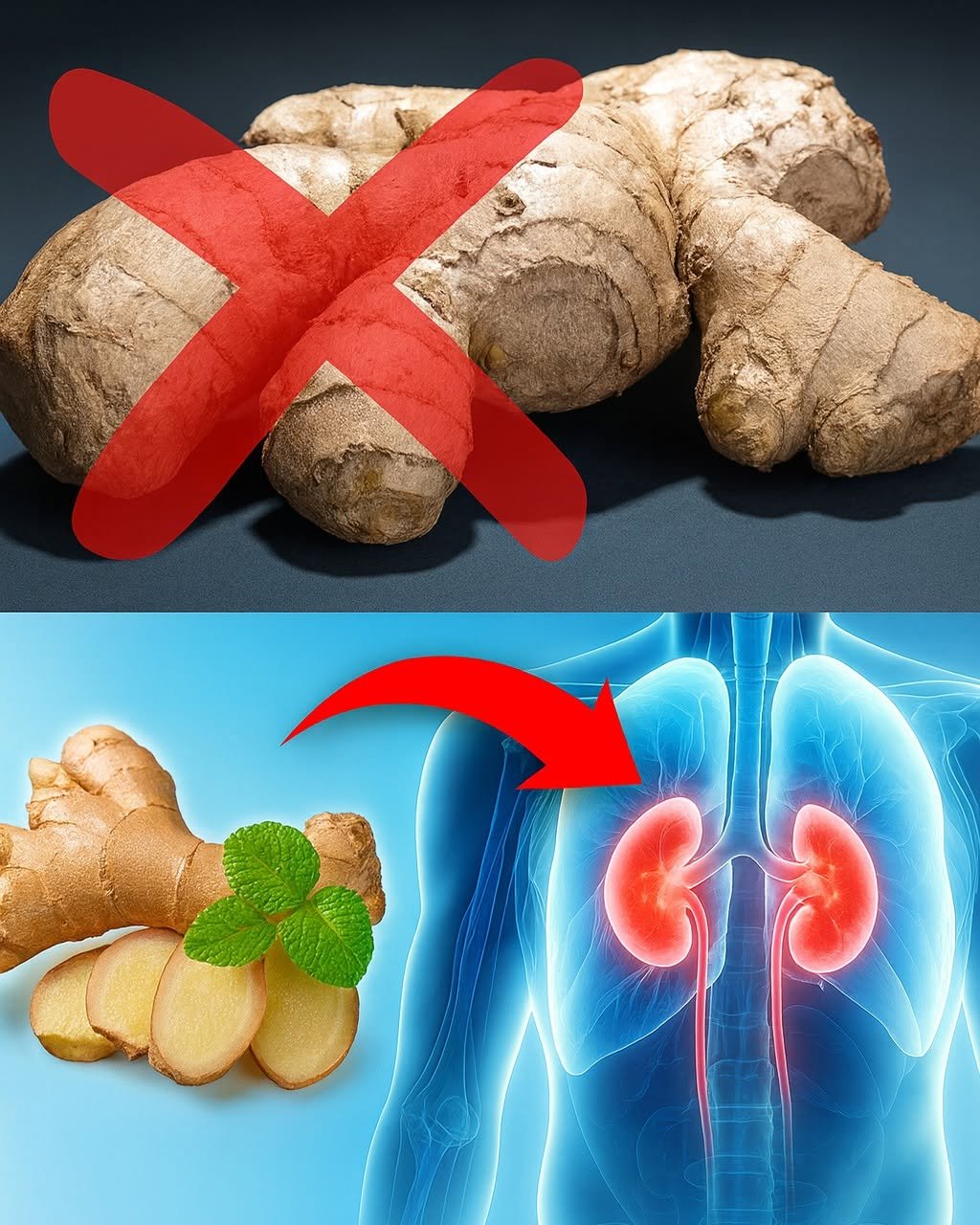
Does Ginger Damage Your Kidneys?
One of the most common concerns about ginger is whether it can damage the kidneys.
The good news is that there is no convincing clinical evidence that normal dietary ginger damages healthy kidneys.
In fact, ginger is commonly used as a flavouring ingredient in kidney-friendly diets because it can add flavour without requiring excessive salt.
However, people with chronic kidney disease should remember that herbal supplements are not automatically safe simply because they are natural. Concentrated products may contain additional ingredients or interact with prescribed medicines.
If you have kidney disease, consult your renal specialist before starting any herbal supplement.
How Much Ginger Is Safe to Consume?
For most healthy adults, ginger used in ordinary food quantities is generally considered safe.
However, there is no single recommended daily amount that is appropriate for everyone. Tolerance depends on individual health, medications and the form of ginger being consumed.
Here are some common ways people use ginger:
- Fresh ginger: Added to cooking, soups and vegetables.
- Ginger tea: Fresh ginger steeped in hot water.
- Dried ginger: Used as a spice in meals and drinks.
- Ginger supplements: Concentrated capsules, powders and extracts.
Remember that supplements can deliver much higher doses than ordinary food.
Final Thoughts
Ginger offers several potential health benefits and can be a useful addition to a balanced diet. However, natural ingredients are not completely free from side effects or medication interactions.
People taking blood thinners, managing diabetes or blood pressure, living with gallbladder problems, experiencing acid reflux, or preparing for surgery should take extra care with concentrated ginger supplements.
Most importantly, ginger should never replace prescribed medication or professional medical treatment.
Listen to your body, understand your medical conditions, and speak with your healthcare professional before making significant changes to your supplement routine.
Medical Disclaimer: This article is for educational and informational purposes only. It is not a substitute for professional medical advice, diagnosis or treatment.