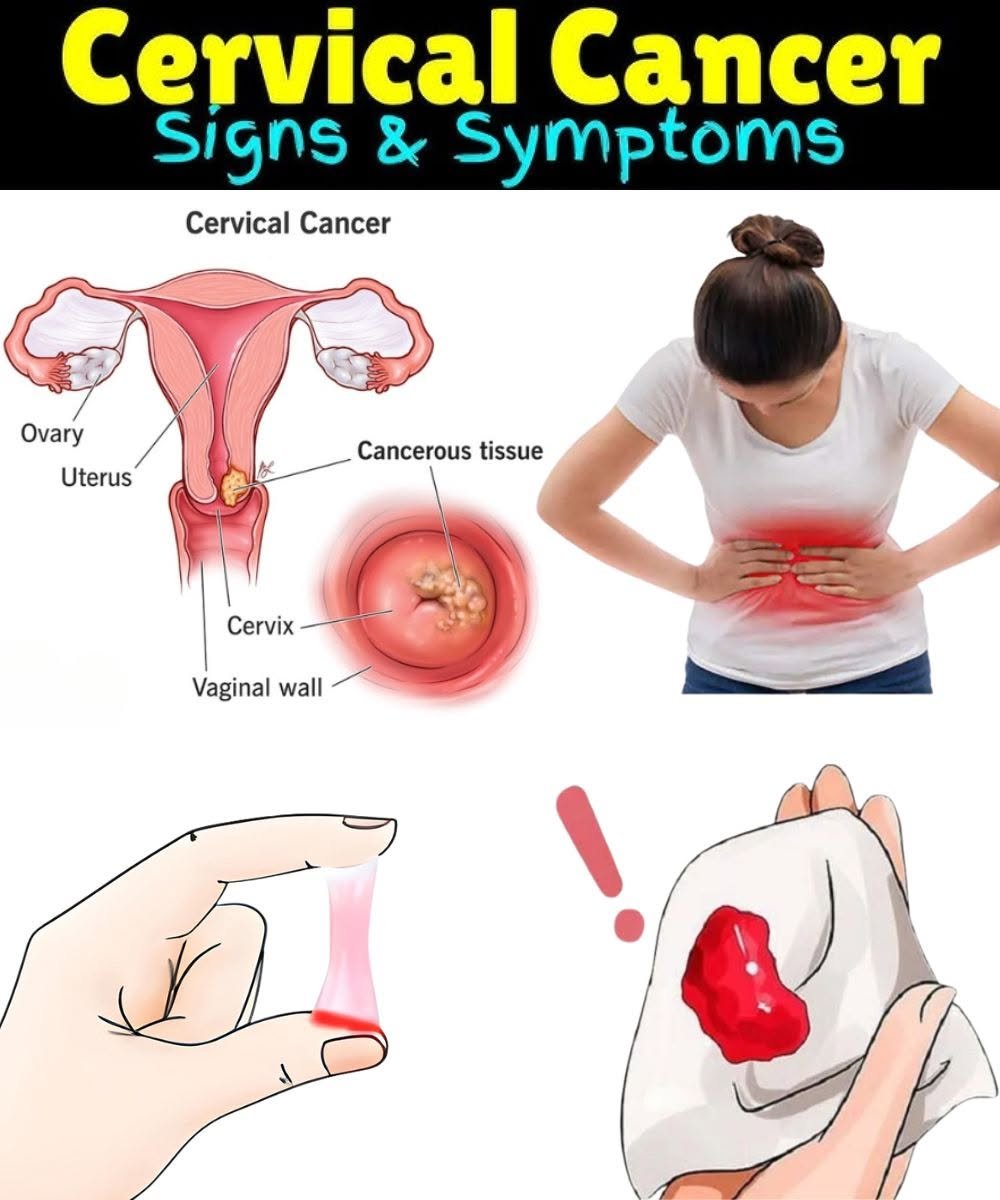
Cervical Cancer: Early Signs and Symptoms You Should Never Ignore
Cervical Cancer: Early Signs and Symptoms You Should Never Ignore
Cervical cancer is one of the most important health conditions every woman should know about. It develops in the cells of the cervix, the lower part of the uterus that connects to the vagina. Although cervical cancer can develop gradually, many women do not notice any symptoms during its early stages.
The good news is that cervical cancer is often preventable through HPV vaccination and regular cervical screening. When detected early, it is also highly treatable.
Understanding the warning signs, recognising unusual changes in your body and seeking medical advice promptly can make a significant difference.
In this article, we explore the early signs and symptoms of cervical cancer, important risk factors, prevention methods and when you should seek medical attention.
What Is Cervical Cancer?
Cervical cancer occurs when abnormal cells in the cervix begin growing uncontrollably. Most cases are linked to persistent infection with high-risk types of human papillomavirus (HPV), a common virus transmitted through intimate skin-to-skin contact.
Most HPV infections clear naturally without causing health problems. However, persistent infection with certain high-risk HPV types can cause abnormal cervical cell changes that may eventually develop into cancer.
Cervical cancer often develops over many years, which makes regular screening particularly important.
11 Early Signs and Symptoms of Cervical Cancer You Should Never Ignore
One important thing to understand is that early cervical cancer often causes no noticeable symptoms. When symptoms do appear, they can include the following:
1. Unusual Vaginal Bleeding
One of the most common warning signs of cervical cancer is unusual vaginal bleeding.
This may happen:
Between menstrual periods.
After sexual intercourse.
After menopause.
When periods become unusually heavy or last longer than normal.
Bleeding after menopause should always be investigated by a healthcare professional. Although there are many possible causes, unexplained vaginal bleeding should never be ignored.
2. Bleeding After Sexual Intercourse
Experiencing bleeding after sexual intercourse is another symptom that deserves attention.
Some women notice light spotting, while others experience more noticeable bleeding. This can occur when abnormal cervical tissue becomes irritated or bleeds easily.
However, bleeding after intercourse does not automatically mean cervical cancer. Infections, cervical polyps and other conditions can also cause it.
If it happens repeatedly, arrange a medical examination.
3. Unusual Vaginal Discharge
Changes in vaginal discharge can sometimes be associated with cervical cancer.
You may notice:
Watery discharge.
Discharge containing blood.
Pink or brown discharge.
Discharge with an unpleasant smell.
These changes can also result from vaginal infections and other conditions. Persistent or unusual discharge should be assessed, particularly when accompanied by abnormal bleeding.
4. Pelvic Pain or Discomfort
Persistent pain in the pelvic area can sometimes be a symptom of cervical cancer.
The discomfort may occur in the lower abdomen, around the pelvis or between the hip bones.
Some women describe it as a dull ache, while others experience more persistent discomfort.
Pelvic pain has many possible causes, including endometriosis, infections and other gynaecological conditions. If the pain is unexplained or persistent, seek medical advice.
5. Pain During Sexual Intercourse
Pain during sexual intercourse, also known as dyspareunia, can sometimes occur in women with cervical cancer.
The pain may feel deep inside the pelvis or around the vaginal area.
Other possible causes include vaginal dryness, infections, hormonal changes and pelvic floor problems.
Do not ignore persistent or unexplained pain, especially when it occurs alongside unusual bleeding or discharge.
6. Lower Back Pain
Persistent lower back pain may occasionally occur when cervical cancer advances and affects surrounding tissues.
The pain may be felt in the lower back, pelvis or nearby areas.
However, lower back pain is extremely common and is usually related to muscles, joints or spinal conditions rather than cervical cancer.
If back pain is persistent, unexplained or accompanied by other concerning symptoms, consult your doctor.
7. Pain or Swelling in the Legs
In more advanced cases, cervical cancer may affect lymphatic drainage or put pressure on nearby structures, potentially causing swelling in one or both legs.
You might notice:
Swelling around the ankles.
One leg becoming noticeably larger.
A feeling of heaviness.
Persistent discomfort in the legs.
Sudden swelling in one leg, particularly with pain, warmth or redness, requires urgent medical assessment because it may indicate a blood clot.
8. Changes in Urination
Cervical cancer that has spread to nearby tissues may sometimes affect the bladder or urinary system.
Possible symptoms include:
Difficulty passing urine.
Blood in the urine.
Persistent urinary discomfort.
Changes in normal urinary habits.
These symptoms are more commonly caused by urinary infections and other bladder conditions, but persistent or unexplained changes should be investigated.
9. Blood in the Urine or Rectal Bleeding
In advanced cervical cancer, nearby organs and tissues can sometimes become affected.
This may occasionally lead to bleeding from the urinary tract or rectum.
Blood in urine or rectal bleeding should never be assumed to be caused by cervical cancer. Several other conditions can produce these symptoms, and medical evaluation is important.
10. Unexplained Weight Loss
Unintentional weight loss can occur with several types of cancer, including advanced cervical cancer.
You may notice that your weight decreases even though you have not changed your diet or exercise routine.
Other accompanying symptoms may include reduced appetite, weakness and persistent tiredness.
Unexplained weight loss should be discussed with a healthcare professional, particularly if it continues over several weeks.
11. Persistent Fatigue and Weakness
Feeling unusually tired all the time can sometimes occur in women with cervical cancer.
Persistent fatigue may be associated with cancer-related changes in the body, poor appetite or anaemia caused by prolonged blood loss.
You may experience:
Unusual exhaustion.
Reduced energy throughout the day.
Difficulty completing normal activities.
Weakness or dizziness.
Fatigue is a very common symptom with many possible causes, including iron deficiency, thyroid problems and sleep disorders. If it persists, seek medical advice.
What Are the Main Risk Factors for Cervical Cancer?
Understanding the risk factors can help women make informed decisions about prevention and screening.
1. Persistent HPV infection: Persistent infection with high-risk HPV types is the leading cause of cervical cancer.
2. Smoking: Tobacco use increases the risk of cervical cell changes and cervical cancer.
3. Weakened immune system: Women with weakened immune systems may have greater difficulty clearing HPV infections.
4. Lack of regular screening: Missing recommended cervical screening can allow precancerous changes to go undetected.
5. Previous cervical abnormalities: A history of significant abnormal cervical cell changes can increase the risk of developing cervical cancer.
6. Long-term use of oral contraceptives: Some research has found an association between prolonged use of oral contraceptives and cervical cancer risk. Discuss individual contraceptive choices with your healthcare professional.
How Can You Reduce Your Risk of Cervical Cancer?
The encouraging news is that cervical cancer is one of the most preventable forms of cancer.
Here are six important steps women can take.
1. Get the HPV Vaccine
HPV vaccination protects against the HPV types responsible for most cervical cancer cases.
It is most effective when administered before exposure to HPV, but some older adolescents and adults may also benefit depending on their age and vaccination history.
Ask your healthcare professional about eligibility and the recommended vaccination schedule.
2. Attend Regular Cervical Screening
Cervical screening can detect high-risk HPV infections and abnormal cervical cells before they develop into cancer.
Depending on your age, country and medical history, screening may involve:
HPV testing.
A Pap test.
A combination of screening methods.
Follow the screening schedule recommended by your local healthcare authority.
3. Avoid Smoking
Smoking is associated with an increased risk of cervical cancer. Avoiding tobacco can help protect your overall health and reduce several cancer risks.
4. Practise Safer Sexual Health
Using condoms can reduce the risk of HPV transmission, although they do not provide complete protection because HPV can infect areas not covered by a condom.
5. Seek Medical Advice for Unusual Symptoms
Do not wait for your next screening appointment if you experience unusual bleeding, persistent discharge or unexplained pelvic pain.
Screening is designed for people without symptoms. Women with symptoms may need a diagnostic examination even if their last screening result was normal.
6. Maintain Regular Healthcare Appointments
Routine healthcare appointments provide opportunities to discuss vaccination, screening, reproductive health and any unusual changes you have noticed.
How Is Cervical Cancer Diagnosed?
If your doctor suspects cervical cancer, several examinations and tests may be recommended.
1. Pelvic examination: A healthcare professional examines the cervix and surrounding reproductive organs for unusual changes.
2. HPV test: This test checks for high-risk types of human papillomavirus associated with cervical cancer.
3. Pap smear: A sample of cervical cells is examined to identify abnormal or precancerous changes.
4. Colposcopy: A special magnifying instrument is used to examine the cervix more closely.
5. Cervical biopsy: A small tissue sample is collected and examined under a microscope to confirm whether cancer cells are present.
If cancer is confirmed, additional investigations may be required to determine its stage and whether it has spread.
When Should You See a Doctor?
Do not ignore unusual changes in your reproductive health.
Arrange a medical appointment if you experience:
Bleeding after sexual intercourse.
Bleeding between menstrual periods.
Any bleeding after menopause.
Persistent unusual vaginal discharge.
Ongoing pelvic pain.
Persistent pain during intercourse.
Unexplained changes in urination.
Heavy vaginal bleeding, severe pelvic pain, fainting or significant weakness require urgent medical assessment.
Remember that these symptoms do not necessarily indicate cervical cancer. Many can be caused by treatable conditions. However, getting checked is much safer than assuming everything is normal.
Frequently Asked Questions About Cervical Cancer
Can cervical cancer develop without symptoms?
Yes. Early cervical cancer and precancerous cervical changes frequently cause no noticeable symptoms. This is why regular screening is so important, even when you feel completely healthy.
What is usually the first warning sign of cervical cancer?
When symptoms occur, unusual vaginal bleeding is one of the most common warning signs. This includes bleeding after intercourse, between periods or after menopause.
At what age can women develop cervical cancer?
Cervical cancer can develop in adult women of different ages, although it is more frequently diagnosed in middle adulthood. HPV vaccination and age-appropriate screening are important throughout adulthood.
Can cervical cancer be cured?
Yes. Cervical cancer is often highly treatable when diagnosed early. Treatment depends on the stage and may include surgery, radiotherapy, chemotherapy or a combination of treatments.
Does HPV always lead to cervical cancer?
No. Most HPV infections clear naturally without causing cancer. However, persistent infection with certain high-risk HPV types can lead to precancerous changes and eventually cervical cancer.
Can women who have received the HPV vaccine still develop cervical cancer?
Yes, although vaccination significantly reduces the risk. Current vaccines do not protect against every cancer-causing HPV type, so eligible women should still follow recommended screening guidelines.
Final Thoughts
Cervical cancer is a serious health condition, but it is also one of the cancers where prevention and early detection can make an enormous difference.
Pay attention to unusual vaginal bleeding, persistent discharge, pelvic discomfort and other unexplained changes. Do not feel embarrassed about discussing reproductive health concerns with a healthcare professional.
Most importantly, remember that you do not need to wait for symptoms before taking action. HPV vaccination and regular cervical screening are two of the most effective ways to protect yourself.
Your health matters. Listen to your body, know the warning signs and never delay seeking medical advice when something does not feel right.
Medical Disclaimer: This article is intended for educational purposes only. It does not replace professional medical advice, diagnosis or treatment. If you experience concerning symptoms, consult a qualified healthcare professional.