How to Use Guava to Support Eye Health: A Gentle, Evidence-Aware Guide
How to Use Guava to Support Eye Health: A Gentle, Evidence-Aware Guide
Meta description: Discover how guava can fit into an eye-friendly lifestyle. Learn about vitamin C, antioxidants, guava leaves, safe eye-care habits, a nutritious smoothie recipe, and important precautions for protecting your vision.
Guava is a sweet tropical fruit known for its distinctive aroma, refreshing flavor, and impressive nutritional profile. It is particularly rich in vitamin C and also provides fiber, carotenoids, and a variety of naturally occurring plant compounds.
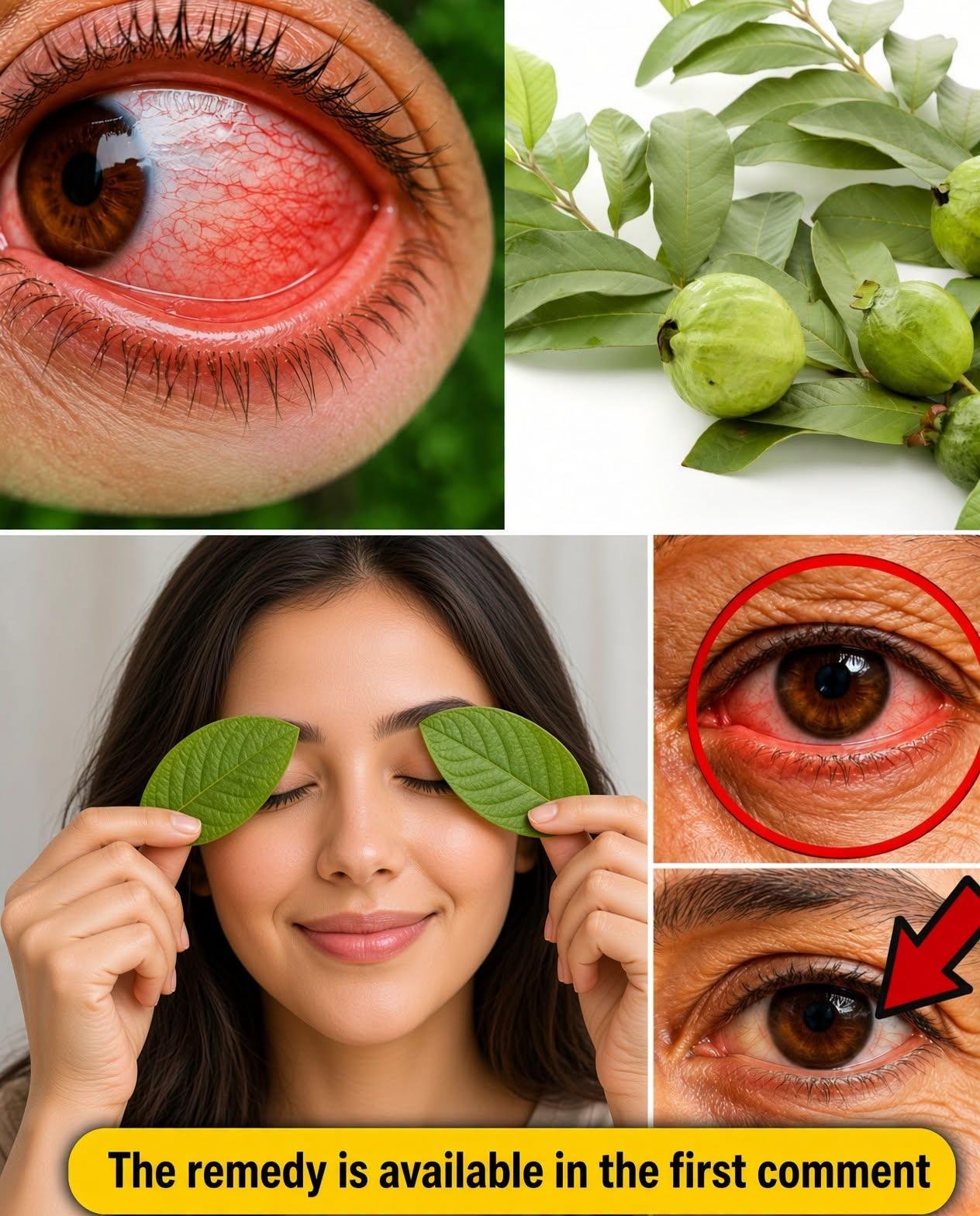
Because of these nutrients, guava is sometimes promoted online as a natural remedy for blurry vision, irritated eyes, cataracts, and other eye problems.
The reality is more balanced.
Eating guava can certainly contribute to a nutritious diet that supports overall health, including normal eye function. However, guava fruit or leaves have not been proven to cure cataracts, restore lost vision, eliminate eye infections, or replace professional eye treatment.
There is also an important safety distinction between eating guava and putting homemade guava preparations directly into the eyes.
Here is what you should know.
🌿 Why Is Guava Interesting for Eye Health?
Healthy vision depends on many factors, including age, genetics, blood pressure, blood glucose, smoking, sun exposure, nutrition, and existing eye conditions.
No individual fruit can control all of these factors. Nevertheless, nutritious foods such as guava can contribute useful nutrients to an eye-friendly diet.
🍈 1. Guava Is an Excellent Source of Vitamin C
Guava is particularly well known for its vitamin C content.
Vitamin C functions as an antioxidant and contributes to the protection of cells from oxidative stress. It is also involved in collagen formation and supports normal blood-vessel function.
The eye is constantly exposed to light and oxygen, making antioxidant protection an important part of normal physiology.
This does not mean that taking large amounts of vitamin C will reverse an existing eye disease. It simply means that getting adequate vitamin C through a varied diet is part of good overall nutrition.
🛡️ 2. Guava Provides Several Plant Antioxidants
Depending on the variety, guava can contain carotenoids, flavonoids, and other plant compounds.
Pink and red guavas can also contain lycopene, the carotenoid responsible for their characteristic color.
Antioxidant-rich foods are generally valuable as part of a balanced eating pattern. Rather than focusing on a single “superfood,” try to eat a variety of colorful fruits and vegetables throughout the week.
Carrots, leafy greens, peppers, tomatoes, berries, citrus fruits, eggs, and oily fish can all contribute different nutrients relevant to general health.
👁️ 3. Can Guava Help With Tired Eyes?
X
If your eyes feel tired after hours of reading, working, or looking at a phone or computer, the problem may be digital eye strain rather than a nutritional deficiency.
Common symptoms include:
Dry or uncomfortable eyes
Temporary blurred vision
Heavy or tired eyes
Headaches
Difficulty refocusing
Neck and shoulder discomfort
Eating guava will not immediately remove digital eye strain.
Simple habits are usually more useful. Take regular screen breaks, blink frequently, avoid excessive glare, position your screen comfortably, and make sure your glasses or contact-lens prescription is current.
Dryness that persists despite these measures may require advice from an optometrist or ophthalmologist.
🌱 What About Guava Leaves?
Guava leaves contain numerous plant compounds and have been investigated in laboratory studies for antioxidant and antimicrobial properties.
This has encouraged some social-media posts to recommend boiled guava-leaf water for the eyes.
There is an important limitation: laboratory evidence showing that a plant compound can affect microorganisms does not prove that homemade leaf water is a safe or effective treatment for an eye infection.
The eye is extremely sensitive, and preparations made in an ordinary kitchen are not equivalent to sterile ophthalmic products.
⚠️ Avoid Homemade Guava Eye Drops
Some traditional recipes suggest boiling guava leaves, filtering the liquid, diluting it, and placing drops directly into the eye.
This practice is best avoided.
Boiling and filtering a homemade preparation does not reliably produce a sterile eye drop. Even liquid that looks perfectly clean may contain microorganisms, particles, or substances capable of irritating the eye.
Homemade eye drops can potentially lead to irritation, inflammation, or infection.
For this reason:
Do not put homemade guava-leaf tea, guava juice, plant extracts, essential oils, honey, lemon juice, or similar preparations directly into your eyes.
If eye drops are needed, use products specifically manufactured and labeled for ophthalmic use, following professional guidance when appropriate.
🌿 Are Guava-Leaf Compresses a Good Idea?
A warm or cool compress can sometimes feel soothing around closed, tired eyes. However, there is no need to add guava leaves to obtain this effect.
A safer option is simply to use a clean compress with clean water.
Place it gently over your closed eyelids for several minutes without rubbing or applying excessive pressure.
If you have an eye infection, recent eye surgery, an eye injury, unexplained swelling, or significant redness, seek appropriate medical advice rather than experimenting with herbal preparations around the eyes.
🧴 What About Guava Eye Creams and Serums?
Guava extracts may appear in commercially formulated skincare products designed for the area around the eyes.
These products are different from homemade guava-leaf preparations because reputable cosmetic formulations are manufactured specifically for topical use.
They may help moisturize the skin or temporarily improve its appearance, depending on the complete formulation.
However, an eye-area cosmetic cannot be assumed to improve eyesight or treat a disease inside the eye.
Follow the product directions carefully and avoid getting cosmetics directly into the eyes.
🥤 A Better Way to Use Guava: Eat It
The safest and simplest way to benefit from guava’s nutrients is to eat the fruit as part of your regular diet.
Fresh guava can be eaten on its own, added to fruit salads, blended into smoothies, or combined with yogurt and other fruits.
Here is an easy eye-friendly smoothie idea.
🥕 Guava, Carrot & Spinach Smoothie
Ingredients:
1 ripe guava
1 small carrot
1 handful of spinach
1 cup of water
A little plain yogurt, optional
Wash the ingredients thoroughly. Chop the guava and carrot into manageable pieces, then blend everything until smooth.
If your blender does not completely break down the guava seeds, you can strain the drink for a smoother texture.
This combination provides several nutrients from whole foods rather than relying on a concentrated herbal preparation.
🌈 Think Beyond One Fruit
Nutrition for healthy aging and normal vision is much broader than guava.
A varied eating pattern can include dark leafy vegetables for lutein and zeaxanthin, orange and yellow vegetables for carotenoids, fruits for vitamin C and other antioxidants, and foods containing omega-3 fatty acids, zinc, vitamin E, and other nutrients.
Guava can comfortably be one piece of that larger nutritional picture.
👓 When Blurry Vision Should Not Be Treated at Home
Blurry vision has many possible causes. Some are relatively minor, such as dry eyes or an outdated glasses prescription. Others require medical attention.
Arrange an eye examination if you notice persistent or progressively worsening blurry vision, recurring eye discomfort, unusual sensitivity to light, or significant changes in your vision.
Sudden vision loss, severe eye pain, a sudden increase in flashes or floaters, a curtain-like shadow across your vision, or significant eye trauma requires prompt medical attention.
Natural foods are valuable, but these symptoms should not be managed with home remedies.
🌟 The Bottom Line
Guava is a nutritious fruit rich in vitamin C and several antioxidant plant compounds, making it a worthwhile addition to a varied, balanced diet.
The most sensible way to use guava for general wellness is also the simplest: eat the fruit rather than putting homemade guava preparations into your eyes.
Guava leaves are scientifically interesting, but current evidence does not show that homemade guava-leaf drops can safely treat eye infections, cataracts, blurry vision, or other eye diseases.
Combine nutritious foods with regular screen breaks, UV protection, appropriate eye examinations, and professional care when symptoms appear. Those everyday habits offer a much more realistic foundation for protecting your eyes over the long term.