14 Visible Signs of Cancer Most Women Should Never Ignore
14 Visible Signs of Cancer Most Women Should Never Ignore
Cancer is a serious health condition, and recognizing unusual changes in your body can help you seek medical attention early. Although many symptoms are caused by non-cancerous conditions, persistent or unexplained changes should never be ignored.
Here are 14 possible warning signs of cancer in women and when to seek medical advice.
1. A Lump in the Breast
A new lump in the breast or armpit can be a warning sign of breast cancer. Many breast lumps are benign, but every new or unusual lump should be evaluated by a healthcare professional.
2. Changes in Breast Shape or Size
Unexplained changes in breast size, shape, or symmetry may require medical assessment, especially when they occur suddenly or affect only one breast.
3. Changes in the Nipple
A newly inverted nipple, bloody nipple discharge, or persistent changes around the nipple should be checked by a doctor.
4. Breast Skin Changes
Skin dimpling, thickening, persistent redness, or an orange-peel appearance can sometimes be associated with breast cancer.
5. Unusual Vaginal Bleeding
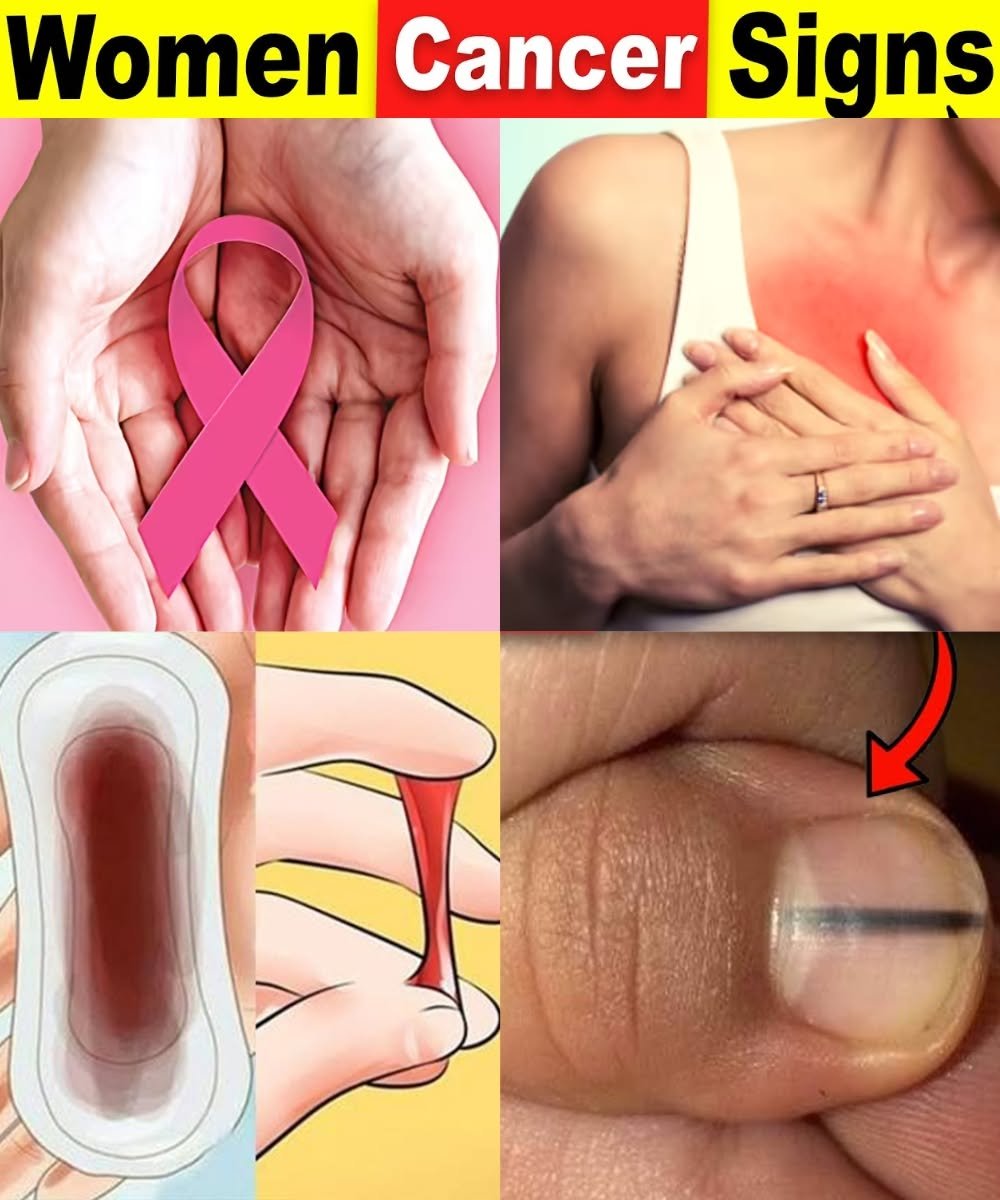
Bleeding between periods, after sexual intercourse, or after menopause can have several causes. However, unusual bleeding—particularly after menopause—needs medical evaluation because it can be a symptom of cervical or endometrial cancer.
6. Unusual Vaginal Discharge
Persistent discharge that is bloody, watery, or different from your usual pattern may need investigation, especially when accompanied by pelvic pain or bleeding.
7. Persistent Abdominal Bloating
Frequent bloating that does not go away, particularly when accompanied by abdominal swelling or pelvic discomfort, can sometimes be associated with ovarian cancer.
8. Feeling Full Quickly
Feeling full after eating only a small amount, especially when this is new and persistent, should be discussed with a healthcare professional.
9. Persistent Pelvic or Abdominal Pain
Ongoing pain or pressure in the pelvis or abdomen can have many causes. If it persists or occurs alongside bloating or changes in appetite, seek medical advice.
10. Unexplained Weight Loss
Losing weight without changing your diet or activity level may indicate an underlying health problem, including, in some cases, cancer.
11. Persistent Fatigue
Unusual tiredness that does not improve with rest can be associated with many conditions, including anemia and certain cancers. A medical evaluation can help identify the cause.
12. Changes in Bowel Habits
Persistent constipation, diarrhea, changes in stool shape, or blood in the stool can sometimes indicate colorectal cancer and should not be ignored.
13. Changes in Urination
New and persistent urinary urgency, frequency, or blood in the urine warrants medical assessment. These symptoms are more commonly caused by other conditions, but sometimes indicate a serious problem.
14. A Dark Streak Under a Fingernail
A new or changing dark streak under a fingernail or toenail can occasionally be a sign of melanoma, a type of skin cancer. Many nail discolorations have other causes, but a streak that widens, changes color, or spreads onto the surrounding skin should be examined by a dermatologist.
When Should You See a Doctor?
Do not wait for symptoms to become severe. Arrange a medical appointment for new, unexplained, persistent, or worsening changes. Seek urgent care for severe bleeding, fainting, severe pain, or other acute symptoms.
Remember that having one of these symptoms does not mean you have cancer . Many common illnesses can cause similar symptoms, and only appropriate medical assessment and testing can establish the cause.
Can Cancer Be Prevented?
Not every cancer can be prevented, but you can reduce some risks by avoiding tobacco, limiting alcohol, maintaining a healthy lifestyle, getting recommended HPV and hepatitis B vaccinations, and following age- and risk-appropriate screening recommendations.
Breast, cervical, and colorectal cancer screening can help detect certain cancers or precancerous changes early. The appropriate tests and screening schedules depend on your age, medical history, and individual risk factors.
Final Thoughts
Your body may show changes when something is wrong, but cancer does not always produce visible symptoms. Pay attention to unusual changes, attend recommended screening appointments, and seek professional advice when something concerns you.
Early assessment can make a difference. Awareness is important, but avoiding unnecessary fear and getting reliable medical advice are equally important.
Medical disclaimer: This article is for educational purposes only and is not a substitute for professional medical advice, diagnosis, or treatment.