Neem Leaves for Dental Problems: Traditional Uses, Oral Health Benefits, and Safety Tips
Neem Leaves for Dental Problems: Traditional Uses, Oral Health Benefits, and Safety Tips
Introduction
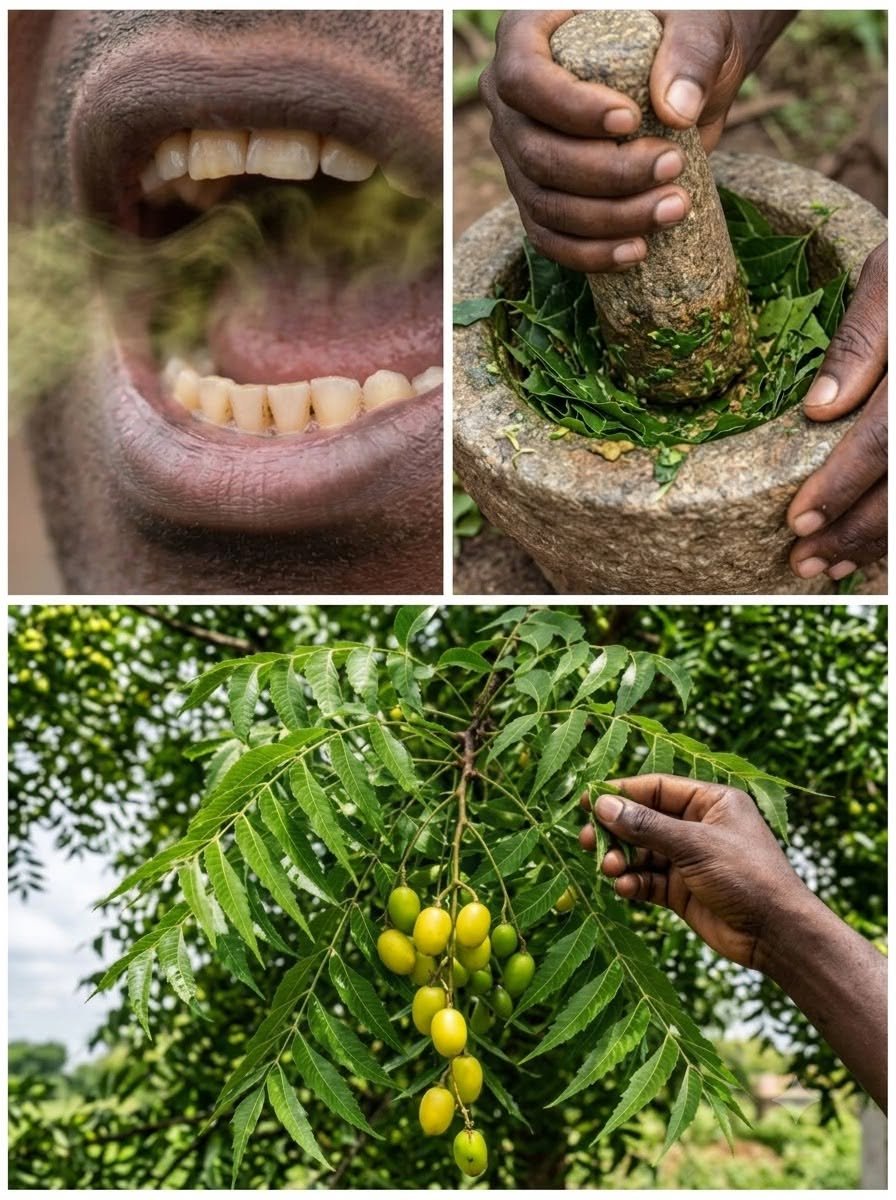
Neem (Azadirachta indica), also known as Dogoyaro in parts of West Africa, is a tree widely used in traditional herbal practices. Its leaves, bark, and twigs have historically been used for various purposes, including oral hygiene.
In some communities, neem leaves are dried, ground into a fine powder, and mixed with water to create a homemade paste for cleaning the teeth. This traditional practice is associated with several oral health concerns, including dental plaque, gum irritation, bad breath, and toothache.
Modern researchers have also investigated neem for its potential antimicrobial properties. Some clinical studies suggest that specially formulated neem-based toothpastes and mouth rinses may help reduce plaque and gingival inflammation when used alongside regular oral hygiene.
However, these findings do not establish that homemade neem leaf powder is a safe or effective replacement for conventional toothpaste. Neem has not been proven to cure tooth decay, eliminate dental infections, or treat advanced gum disease.
In this guide, we explore four traditional uses of neem for oral health, the available scientific evidence, how the traditional preparation is made, and important precautions to consider before using it.
1. Neem and Dental Plaque Control
Dental plaque is a sticky film of bacteria that forms on the surfaces of teeth. If it is not removed regularly, it can contribute to tooth decay and gum inflammation.
Neem contains naturally occurring compounds, including flavonoids and other phytochemicals, that have attracted scientific interest because of their biological activity.
Researchers have investigated neem extracts and neem-containing oral care products for their potential effects on microorganisms associated with dental plaque.
A randomized clinical trial published in 2015 evaluated neem-containing toothpaste in 30 participants. The researchers reported improvements in plaque and gingival indices after the intervention. However, the study was small, so its findings should be interpreted cautiously.
What does this mean for everyday oral care?
Neem may have potential as an ingredient in formulated oral care products, but there is not enough evidence to conclude that homemade neem leaf powder provides the same benefits.
For reliable plaque control, the American Dental Association recommends brushing twice daily for two minutes with fluoride toothpaste and cleaning between the teeth every day.
2. May Help Support Gum Health
Healthy gums help protect the structures that support your teeth. Redness, swelling, tenderness, and bleeding during brushing can be signs of gingivitis or another dental problem.
Neem has traditionally been used in preparations intended to support gum health. Researchers have investigated whether neem-based mouth rinses can help reduce plaque and gingival inflammation.
A systematic review published in 2017 examined clinical trials involving neem-based mouth rinses. The included studies reported promising results, but the evidence was limited by small study numbers, differences between preparations, and methodological weaknesses.
The authors concluded that stronger clinical research was needed before firm conclusions could be drawn.
You can read the study here: Effectiveness of Azadirachta indica mouthrinse in plaque and gingivitis control.
Neem should not be considered a cure for gum disease. Persistent bleeding, receding gums, loose teeth, or swelling requires dental evaluation. Depending on the severity, treatment may include professional cleaning or other periodontal procedures.
3. Neem for Bad Breath
Bad breath, also known as halitosis, can result from several factors, including bacteria on the tongue, food particles between teeth, gum disease, dry mouth, and certain medical conditions.
Because neem contains compounds being studied for antimicrobial activity, it has attracted interest as a traditional ingredient for oral hygiene.
However, there is insufficient clinical evidence to establish that homemade neem leaf paste reliably eliminates bad breath or treats its underlying cause.
Practical ways to improve breath freshness
- Brush your teeth twice daily with fluoride toothpaste.
- Gently clean your tongue every day.
- Floss or use interdental brushes to remove trapped food and plaque.
- Drink water regularly to help prevent dry mouth.
- Avoid tobacco products.
- Arrange a dental checkup if bad breath persists despite good oral hygiene.
Neem-based oral care products may be of interest, but a persistent odor can indicate an underlying dental or medical problem that requires appropriate assessment.
4. Neem and Toothache: What You Should Know
Toothache can develop for several reasons, including tooth decay, cracked teeth, inflammation inside the tooth, gum disease, or a dental abscess.
Neem has traditionally been used in oral care practices intended to relieve dental discomfort. Nevertheless, there is no reliable evidence that brushing with homemade neem leaf powder cures toothache or treats the underlying cause.
Even if a herbal preparation temporarily changes how your mouth feels, this does not necessarily mean that a cavity or infection has resolved.
What to do when you have a toothache
- Arrange a dental appointment to identify the cause.
- Continue gentle brushing with fluoride toothpaste.
- Avoid placing concentrated herbal extracts, undiluted essential oils, or abrasive powders directly on painful areas.
- Ask a pharmacist or healthcare professional about suitable pain relief if needed.
Seek urgent dental care for severe or persistent pain, swelling, pus, or fever. Difficulty breathing or swallowing, or rapidly spreading swelling around the mouth, jaw, or neck, requires emergency medical attention.
How to Prepare Traditional Neem Leaf Paste
Traditional neem oral care recipes sometimes use dried neem leaves ground into a powder and mixed with water.
The following describes the traditional method for informational purposes. Homemade neem powder has not been established as a safe and effective toothpaste, so this preparation should not be treated as a recommended seven-day dental treatment.
Ingredients
- Fresh neem leaves (Azadirachta indica), correctly identified
- A small amount of clean water
Traditional Preparation Method
Step 1: Select the leaves.
Choose fresh leaves from a correctly identified neem tree. Avoid leaves that may have been exposed to pesticides, roadside pollution, or other contaminants.
Step 2: Clean the leaves.
Wash them thoroughly under clean running water to remove visible dirt and debris.
Step 3: Dry the leaves.
Traditional recipes often call for drying neem leaves in the shade. However, shade-drying does not guarantee that the leaves are free from microorganisms or environmental contaminants.
Step 4: Grind the dried leaves.
The dried material is traditionally ground into a fine powder.
Step 5: Mix with water.
Some recipes suggest mixing one teaspoon of neem leaf powder with a small amount of clean water to form a paste.
Important Safety Consideration
There is no clinically validated dosage or treatment duration for brushing with homemade neem leaf powder. Its particle size, purity, chemical composition, and potential abrasiveness are not standardized.
For these reasons, it is not possible to recommend using the homemade paste twice daily for seven days as a proven or established safe oral care regimen.
If you are interested in neem-based dental products, consider discussing a commercially formulated product with your dentist. Continue using fluoride toothpaste unless your dental professional advises otherwise.
Neem Leaf Powder vs. Commercial Neem Toothpaste
Although both products may contain neem, they are not necessarily equivalent.
Homemade neem leaf powder
- Has an uncertain concentration of active plant compounds.
- May contain environmental contaminants if preparation and sourcing are inadequate.
- Has an unknown level of abrasiveness.
- Has not been adequately tested as a substitute for conventional toothpaste.
Commercially formulated neem toothpaste
- May have standardized ingredients and manufacturing controls.
- May have been evaluated for certain oral hygiene outcomes.
- Can vary substantially in formulation and quality.
- Does not automatically provide adequate cavity protection unless it contains an appropriate fluoride formulation.
Neem-containing toothpaste should not be assumed to prevent cavities simply because it contains a traditional medicinal plant. Check the ingredients and fluoride content, and ask your dentist which product is appropriate for your needs.
Important Safety Precautions
Before trying neem-based oral care, consider these precautions.
Avoid swallowing neem preparations. Homemade neem products are not intended to be swallowed, and their safety depends on the plant part, concentration, and preparation.
Watch for irritation. Stop using a product if you experience burning, mouth sores, redness, swelling, or another unwanted reaction.
Protect your tooth enamel and gums. Avoid scrubbing your teeth with coarse or poorly characterized powders. Excessive abrasion can damage tooth surfaces or irritate gum tissue.
Do not use neem to delay treatment. Tooth decay, dental abscesses, and advanced gum disease may require professional treatment.
Be particularly cautious with children. Do not give children homemade neem preparations for oral use. Ask a pediatric dentist about age-appropriate oral hygiene products.
Seek professional advice when necessary. If you have existing dental disease, are pregnant or breastfeeding, take medication, or have a chronic medical condition, discuss the use of medicinal neem preparations with an appropriate healthcare professional.
Frequently Asked Questions
Can neem leaves cure gum disease?
There is limited clinical evidence suggesting that certain neem-based oral care products may help reduce plaque and gingival inflammation. However, neem leaves have not been proven to cure gum disease, and homemade leaf powder is not a substitute for professional dental treatment.
Does neem help remove plaque from teeth?
Research on formulated neem-based toothpastes and mouth rinses has reported promising results for plaque control. These findings cannot automatically be applied to homemade neem leaf powder.
Can neem leaves stop toothache?
There is insufficient reliable evidence that neem leaves stop toothache or treat the cause of dental pain. Persistent pain should be evaluated by a dentist.
Is neem good for bad breath?
Neem has traditional uses in oral hygiene, but evidence that homemade neem preparations reliably treat halitosis is limited. Cleaning the teeth and tongue, removing plaque between teeth, staying hydrated, and treating underlying dental problems are more established approaches.
Can I brush my teeth with neem powder every day?
The safety and effectiveness of daily brushing with homemade neem powder have not been established. Its abrasiveness and purity may vary. A fluoride toothpaste formulated for regular use is the better-supported choice for everyday cavity prevention.
Final Thoughts
Neem (Azadirachta indica), also known as Dogoyaro, has a long history of traditional use in oral hygiene. Research into neem-containing toothpastes and mouth rinses has produced promising findings for plaque control and gum health, although the overall evidence remains limited.
The most important distinction is that studies of formulated neem products do not prove that homemade neem leaf powder can safely treat tooth decay, gum infections, bad breath, or toothache.
If you are interested in natural oral care, discuss appropriately formulated products with your dentist and maintain the fundamentals of good dental hygiene: fluoride toothpaste, gentle brushing, daily interdental cleaning, and regular dental checkups.
Natural ingredients may complement an oral care routine, but protecting your teeth and gums starts with proven preventive care and timely professional treatment.