Joint discomfort can sneak up on anyone as the years go by, turning once-simple activities like walking the dog or gardening into real challenges. That nagging stiffness in your knees or hips after a long day can leave you feeling frustrated and less active than you’d like. It affects sleep, mood, and overall quality of life for millions of people who just want to keep moving comfortably. But what if a common pantry staple you’ve probably already got in your kitchen could play a supportive role in how your joints feel day to day? Stick around, because the real story behind this trending habit—and what the latest research hints at—might surprise you.
Why Joint Comfort Matters More Than Ever
As we get older, everyday wear and tear on our joints becomes more noticeable. Simple movements that felt effortless in our twenties can start to feel a bit heavier. Many people notice this most in the knees, hips, or hands after long periods of standing, exercising, or even just sitting too long. The good news? Small daily habits can make a real difference in how supported your body feels. That’s why so many are curious about natural options like coconut oil right now.
The Viral Trend That Has Everyone Talking
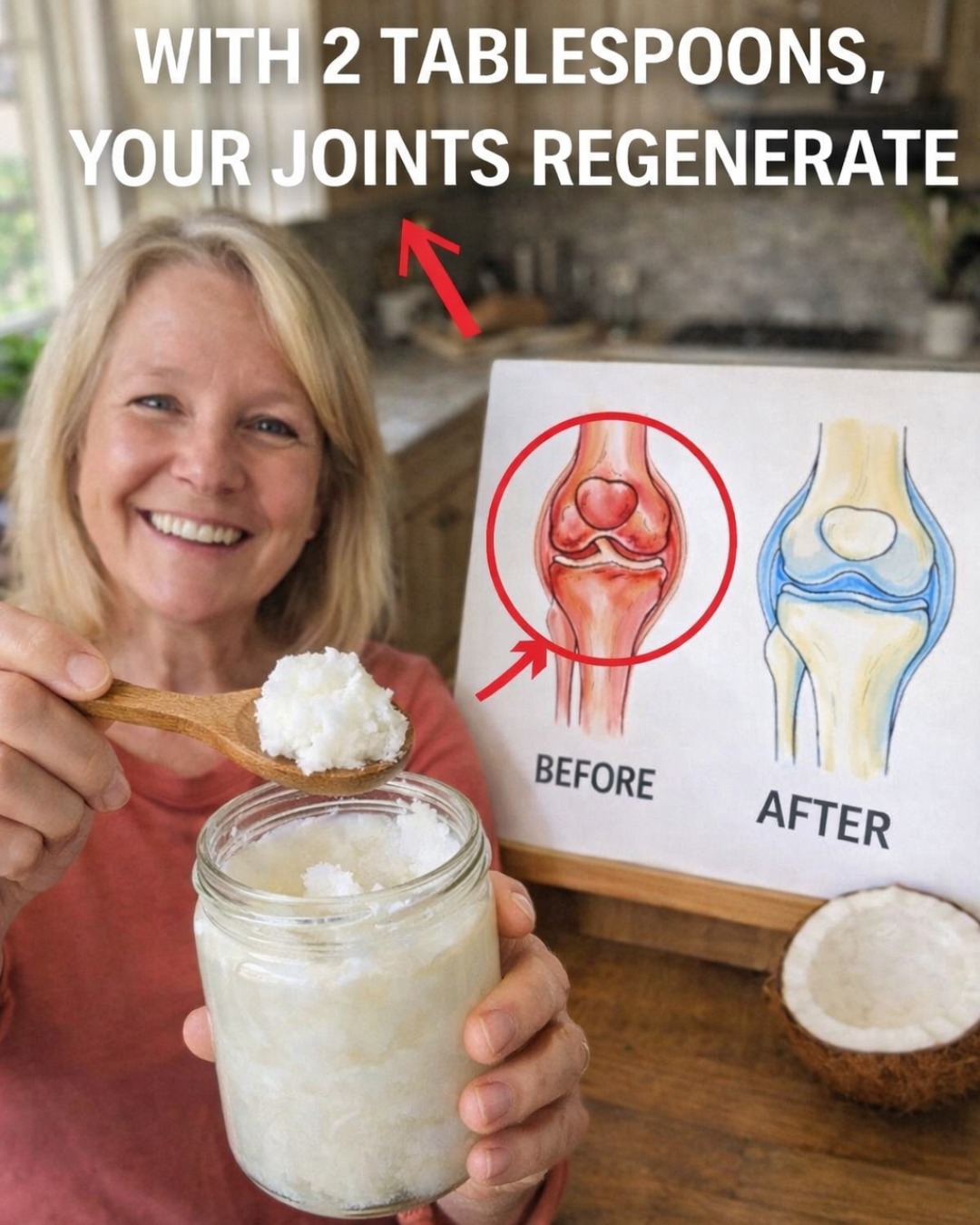
Social media is full of eye-catching photos showing a jar of creamy white coconut oil next to fresh coconuts, with captions promising big changes from just two tablespoons a day. People share stories about adding it to their morning coffee or smoothie and noticing they feel a little more comfortable during daily activities. But here’s the thing: while the hype can be exciting, it’s smart to look at what actual science suggests rather than just the headlines. This brings us to one of the most interesting parts of the conversation.
What Gives Coconut Oil Its Potential Edge?
Coconut oil, especially virgin coconut oil, stands out because of its unique makeup. It’s rich in medium-chain triglycerides (MCTs) and compounds like lauric acid. These elements have caught the attention of researchers studying inflammation and overall wellness. Some laboratory and animal studies have explored how certain components in virgin coconut oil may support the body’s natural response to everyday oxidative stress.
But wait—there’s more to it than just the lab bench. One small human study involving early knee discomfort looked at virgin coconut oil paired with vitamin D and observed encouraging shifts in certain markers linked to comfort and daily function. Other research has highlighted that lauric acid from coconut oil may behave differently than some other saturated fats when it comes to supporting cartilage health in experimental models. These findings are preliminary, of course, but they help explain why the topic keeps popping up in wellness circles.
The Science Behind Coconut Oil and Joint Support (What Studies Actually Show)
Here’s the part that gets people scrolling: research suggests virgin coconut oil may offer mild antioxidant and anti-inflammatory properties that could play a supportive role in how joints feel over time. For instance, animal studies have examined polyphenolic compounds from virgin coconut oil and noted potential benefits for reducing markers of inflammation in models of joint stress. Another investigation found that replacing certain dietary fats with coconut-derived lauric acid was linked to fewer signs of cartilage changes in high-fat diet scenarios.
Key insights from the research include:
- Virgin coconut oil’s MCTs may help the body manage everyday inflammation more smoothly.
- Antioxidant compounds could support overall cellular comfort in joint tissues.
- When combined with other healthy habits like vitamin D intake, some participants reported better mobility scores in short-term studies.
Of course, these results don’t mean coconut oil is a magic fix. They simply point to it as one small piece that might fit into a bigger lifestyle puzzle for feeling your best.
Simple, Actionable Ways to Try This 2-Tablespoon Habit Today
Ready to see if this fits your routine? The beauty of coconut oil is how easy it is to add without any fuss. Here’s a straightforward step-by-step guide you can start right now:
- Choose the right kind — Go for virgin or extra-virgin coconut oil for the highest concentration of natural compounds. Look for unrefined options stored in glass jars.
- Start small — Begin with one teaspoon daily and work up to two tablespoons if your body tolerates it well. Many people enjoy it melted into morning coffee or tea.
- Mix it into meals — Stir it into oatmeal, drizzle over roasted vegetables, or use it for light sautéing instead of butter.
- Pair it with movement — Take a gentle 10-minute walk after your morning dose to help your body make the most of the habit.
- Track how you feel — Keep a simple note for two weeks about daily comfort levels during normal activities.
Pro tip: Coconut oil is solid at room temperature but melts quickly in warm liquids, making it incredibly versatile.
Lifestyle Habits That Work Even Better Alongside Coconut Oil
No single food works in isolation, which is why pairing coconut oil with other smart choices can amplify how good you feel. Consider this quick comparison:
| Habit | How It Supports Joint Comfort | Easy Swap You Can Make Today |
|---|---|---|
| Stay hydrated | Keeps joint fluid moving smoothly | Swap one soda for infused water |
| Add colorful produce | Provides natural antioxidants | Add berries or leafy greens to meals |
| Gentle daily movement | Improves circulation and flexibility | Try 15 minutes of yoga or walking |
| Quality sleep | Allows natural recovery processes | Wind down without screens 30 min early |
| Balanced omega intake | Helps balance inflammatory responses | Include fatty fish or flaxseeds |
These small changes together create a supportive environment for your joints—exactly the kind of approach wellness experts recommend.
Important Things to Keep in Mind Before You Start
While coconut oil is generally well-tolerated by most people, it’s still a fat, so portion control matters. Two tablespoons provide about 240 calories, which is easy to fit into a balanced day but worth tracking if you’re mindful of overall intake. Those with coconut allergies should obviously skip it entirely. And if you have existing health conditions or take medications, a quick chat with your doctor is always the smartest first step.
Wrapping It Up: A Simple Habit Worth Exploring
At the end of the day, adding two tablespoons of coconut oil to your routine is one of those low-effort habits that fits beautifully into real life. Whether you stir it into your coffee, cook with it, or use it as a spread, the potential for supporting everyday joint comfort makes it worth a try. Combined with movement, good nutrition, and plenty of rest, it’s the kind of small change that can help you stay active and enjoy life more fully.
The best part? You don’t need fancy equipment or complicated plans—just a jar from your pantry and a little consistency. Thousands of people are already giving it a go, and many report feeling more comfortable in their daily movements. Why not see how it works for you?
FAQ: Your Top Questions About Coconut Oil and Joint Comfort Answered
1. How long does it take to notice any difference when using coconut oil daily?
Many people report subtle shifts in how their body feels within a couple of weeks, though results vary. Consistency with the full lifestyle picture (diet, movement, hydration) seems to matter most.
2. Can I use coconut oil both in food and topically for joints?
Absolutely. Some enjoy a gentle massage with warm coconut oil on the skin around joints for a soothing self-care ritual, while others focus on the internal habit. Both approaches are popular and simple.
3. Is coconut oil safe for everyone trying to support joint comfort?
Most healthy adults tolerate it well, but those watching saturated fat intake or with specific dietary needs should check with their healthcare provider first. Always listen to your body.
Disclaimer: This article is for informational and educational purposes only and is not intended as medical advice. Individual results may vary. Always consult with a qualified healthcare professional before making any changes to your diet, supplement routine, or lifestyle, especially if you have existing health conditions or concerns.