Prostate Health: Natural Ways to Support Your Prostate and Understand Prostate Cancer
Prostate Health: Natural Ways to Support Your Prostate and Understand Prostate Cancer
Introduction: Why Every Man Should Pay Attention to Prostate Health
The prostate is a small gland that plays an important role in the male reproductive system. Although it is often overlooked, maintaining prostate health becomes increasingly important as men grow older.
Many men experience urinary changes as they age, including frequent nighttime urination, a weak urine stream, or difficulty starting to urinate. These symptoms may be associated with an enlarged prostate, inflammation, or other urinary conditions. However, they do not automatically mean that a man has prostate cancer.
Prostate cancer is another important concern because early-stage disease often develops without noticeable symptoms. Learning about risk factors, discussing appropriate screening with a healthcare professional, and making healthy lifestyle choices can help men take a more proactive approach to their health.
Natural ingredients and traditional herbal preparations are frequently promoted as prostate remedies. But can a simple drink or herbal mixture prevent or cure prostate cancer?
The most important answer is that no natural remedy has been proven to cure prostate cancer or replace established cancer treatment. Nevertheless, healthy daily habits and informed medical decisions can play meaningful roles in a man’s overall well-being.
1. Understanding the Prostate and Common Prostate Conditions
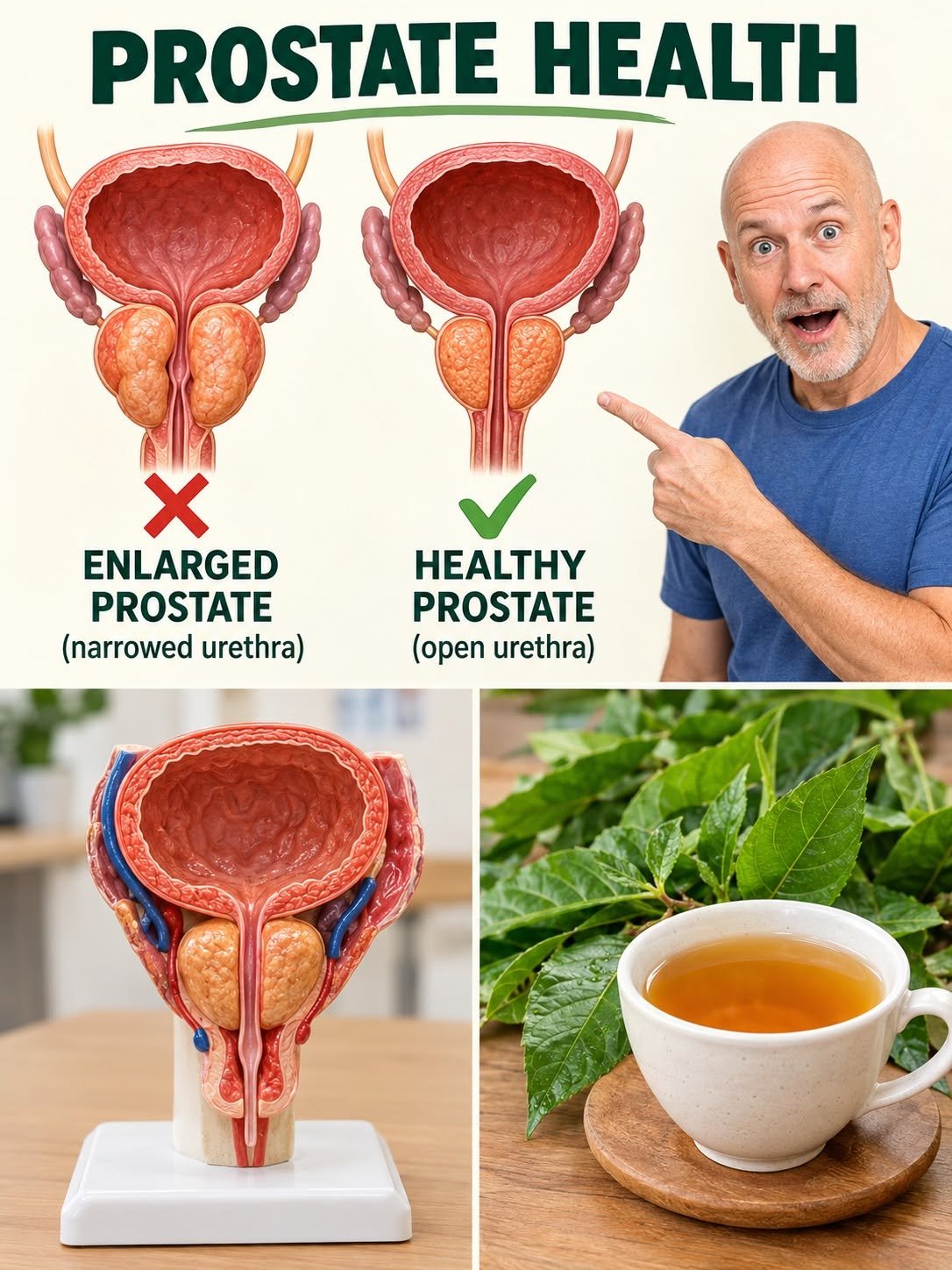
The prostate is located below the bladder and surrounds part of the urethra, the tube that carries urine out of the body.
Three common prostate conditions are worth understanding.
Benign Prostatic Hyperplasia (BPH)
Benign prostatic hyperplasia is a noncancerous enlargement of the prostate. As the gland grows, it may press against the urethra and interfere with normal urine flow.
Common symptoms include:
- Frequent urination, especially at night.
- Difficulty starting urination.
- A weak or interrupted urine stream.
- A sensation that the bladder has not emptied completely.
- An urgent need to urinate.
BPH is not prostate cancer, and having an enlarged prostate does not automatically mean that cancer will develop.
Prostatitis
Prostatitis refers to inflammation of the prostate. Depending on the cause, it may produce pelvic discomfort, painful urination, urinary frequency, or flu-like symptoms.
Some forms are caused by bacterial infections and require medical treatment.
Prostate Cancer
Prostate cancer occurs when abnormal cells grow in the prostate gland. Some prostate cancers grow slowly, while others can be aggressive and spread beyond the prostate.
Early-stage prostate cancer often causes no noticeable symptoms. This is one reason that conversations about screening and personal risk factors are important.
2. Early Warning Signs Men Should Know
Although early prostate cancer may be silent, symptoms can develop as the disease progresses.
Possible warning signs include:
- Difficulty urinating.
- A weaker urine stream.
- Blood in the urine or semen.
- Persistent discomfort in the pelvis or lower back.
- Painful ejaculation.
- Unexplained bone pain, particularly when cancer has spread.
These symptoms can have many causes, including conditions that are not cancerous. Their presence does not establish a diagnosis.
Seek urgent medical care if you suddenly cannot urinate. Blood in the urine, persistent urinary symptoms, or unexplained pain also warrant prompt medical evaluation.
3. Who Has a Higher Risk of Prostate Cancer?
Several factors can influence a man’s likelihood of developing prostate cancer.
Age: Risk increases as men grow older, particularly after age 50.
Family history: Having a father, brother, or son diagnosed with prostate cancer can increase personal risk.
Inherited genetic factors: Certain inherited gene changes, including BRCA2 mutations, are associated with an increased risk.
Race and ethnicity: Black men, including African American men, experience higher rates of prostate cancer and are more likely to die from the disease than White men in the United States.
Men with these risk factors should discuss their individual circumstances with a healthcare professional.
4. Natural Ways to Support Overall Prostate Health
There is no guaranteed natural method of preventing prostate cancer. However, several healthy habits can support general health and may help men manage some urinary symptoms.
Eat a Balanced, Plant-Rich Diet
Build meals around a variety of vegetables, fruits, legumes, whole grains, nuts, and other nutritious foods.
Tomatoes contain lycopene, a naturally occurring antioxidant that has attracted research interest in prostate health. However, studies have not established that lycopene supplements prevent or treat prostate cancer.
Rather than relying on one supposedly miraculous ingredient, aim for a varied, balanced diet.
Exercise Regularly
Walking, cycling at a comfortable level, swimming, and strength training can support cardiovascular health, mobility, and weight management.
Regular physical activity is a practical way to improve overall well-being, although it should not be presented as a guaranteed method of preventing prostate cancer.
Maintain a Healthy Weight
A sustainable eating pattern and regular movement can help maintain a healthy weight. This is particularly important for overall metabolic and cardiovascular health.
Limit Smoking and Excessive Alcohol Consumption
Avoiding tobacco and limiting alcohol can improve general health. These habits are worthwhile even though their effects on prostate cancer risk vary and should not be overstated.
Discuss Screening With Your Doctor
A prostate-specific antigen (PSA) blood test may help assess the possibility of prostate cancer. However, PSA levels can also rise because of benign prostate enlargement, inflammation, or other factors.
Screening has potential benefits and harms, so decisions should be individualized according to age, family history, risk factors, and personal preferences.
5. Can Herbal Remedies Help the Prostate?
Herbal teas and plant-based supplements have been used traditionally for urinary and prostate-related concerns. Some products have been investigated for symptoms associated with benign prostate enlargement.
However, evidence varies considerably depending on the ingredient, preparation, dosage, and condition being studied.
Saw Palmetto
Saw palmetto is a popular ingredient in prostate supplements. It has been studied for urinary symptoms associated with BPH.
According to the U.S. National Center for Complementary and Integrative Health, research suggests that saw palmetto used alone provides little or no benefit for BPH symptoms in many studies.
It has not been established as a treatment for prostate cancer.
Green Tea
Green tea contains polyphenols, including catechins, that have been studied for various health effects.
Although laboratory research has generated interest in these compounds, drinking green tea has not been proven to prevent or cure prostate cancer.
Tomatoes and Lycopene
Lycopene is found in tomatoes and several other red or pink fruits. Eating tomatoes as part of a balanced diet is a reasonable nutritional choice.
Nevertheless, evidence is insufficient to recommend lycopene supplements as a proven prostate cancer prevention or treatment strategy.
What About Traditional Herbal Tea?
A warm herbal tea may be an enjoyable part of a daily wellness routine. The appropriate choice depends on the ingredients, individual health conditions, and medications being taken.
There is no scientifically established herbal tea recipe that can eliminate prostate cancer, shrink cancerous tumors, or guarantee a healthy prostate.
Men who have been diagnosed with prostate cancer should consult their oncology team before using herbal products because some supplements may cause side effects or interfere with cancer treatments.
6. A Simple Herbal Tea Routine for General Wellness
If you enjoy traditional herbal drinks, consider preparing a simple, caffeine-free infusion using a food-grade herb that is appropriate for you.
Ingredients
- 1 cup of hot water.
- A small amount of a familiar culinary herb suitable for making tea.
- Optional lemon for flavor.
Preparation
- Place the chosen herb in a clean cup.
- Add hot water according to the product’s preparation instructions.
- Allow it to steep for the recommended time.
- Strain if necessary and allow the drink to cool to a comfortable temperature.
Enjoy the drink as a beverage rather than as a medical treatment.
There is no evidence that this preparation prevents, reverses, or cures prostate cancer. Avoid unknown plants, concentrated herbal extracts, or supplements marketed with promises of guaranteed results.
7. Medical Treatments for Prostate Conditions
Treatment depends on the specific diagnosis, symptom severity, and individual circumstances.
For benign prostate enlargement, options may include lifestyle adjustments, prescription medications, minimally invasive procedures, or surgery.
For prostate cancer, treatment may involve active surveillance, surgery, radiation therapy, hormone therapy, or other systemic treatments, depending on the cancer’s characteristics and stage.
Some men with low-risk prostate cancer may be suitable for active surveillance, which involves carefully planned monitoring rather than immediate treatment.
A urologist or oncology team can explain the likely benefits, risks, and alternatives of each option.
Natural products should never delay an indicated evaluation or replace recommended cancer treatment.
8. Frequently Asked Questions About Prostate Health
Can a natural remedy cure prostate cancer?
No natural remedy has been proven to cure prostate cancer. Herbal products may be investigated for specific health effects, but they should not replace evidence-based cancer care.
Does an enlarged prostate mean cancer?
No. Benign prostatic hyperplasia is a noncancerous condition. However, an enlarged prostate and prostate cancer can occur in the same person, so persistent symptoms should be assessed appropriately.
Can prostate cancer occur without symptoms?
Yes. Early-stage prostate cancer often produces no noticeable symptoms, which makes informed discussions about screening especially important.
What is the best drink for prostate health?
There is no single drink proven to prevent or cure prostate disease. Water, along with unsweetened beverages such as tea when appropriate, can fit into a balanced lifestyle. Individual fluid needs may differ, especially for people with certain medical conditions.
Should men take prostate supplements?
Not necessarily. Supplements vary in quality, effectiveness, and safety. Men should discuss them with a healthcare professional, particularly if they take prescription medications or are receiving cancer treatment.
Conclusion: Make Prostate Health a Priority
Every man deserves accurate information about prostate health and access to appropriate medical care.
A balanced diet, regular exercise, healthy daily habits, and informed discussions about screening can help men take practical steps toward better overall health. Natural ingredients may complement a healthy lifestyle, but no herbal drink or home remedy should be promoted as a guaranteed cure for prostate cancer.
The most powerful approach is not to rely on a miracle remedy. It is to recognize potential warning signs, understand personal risk, seek timely medical advice, and make treatment decisions based on reliable evidence.
Your prostate health matters. Start with knowledge, healthy habits, and the right medical guidance.