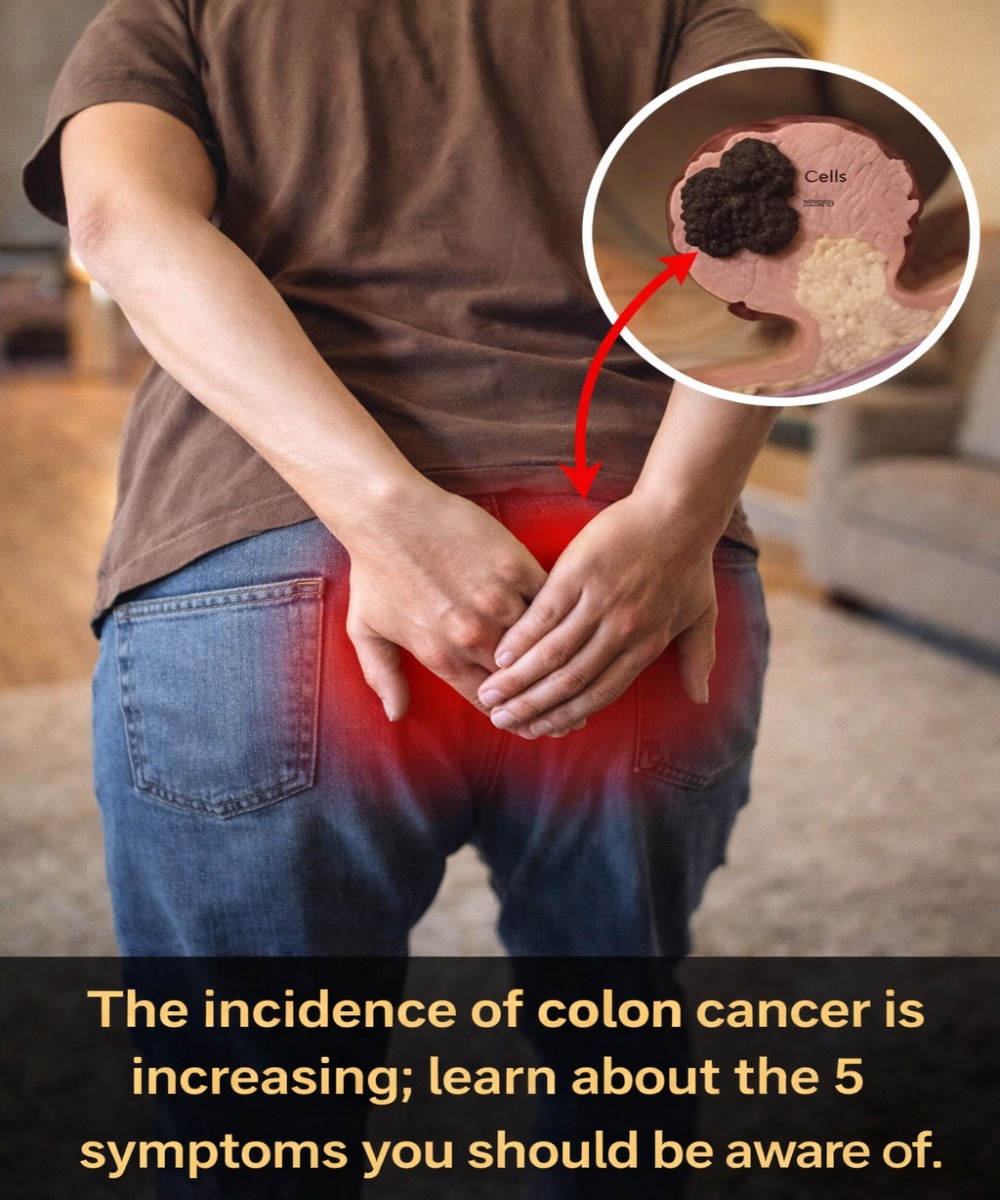
Colon cancer is no longer just a concern for older adults—cases are climbing sharply among people in their 20s, 30s, and 40s, leaving many otherwise healthy individuals caught off guard by symptoms they once brushed aside as stress or diet issues. The discomfort of unexplained fatigue, sudden bathroom changes, or nagging abdominal pain can feel minor at first, but when ignored, these subtle signals often point to something far more serious. What’s worse is that by the time many people finally seek help, the disease has advanced, making treatment more challenging. But here’s the hopeful part: spotting these early clues can make a real difference, and by the end of this article, you’ll know exactly what to watch for plus one simple daily habit that experts say could lower your risk dramatically.
Why Colon Cancer Is Increasing—And Why It Matters More Than Ever
Recent data from the American Cancer Society shows that about 1 in 5 colorectal cancer diagnoses now occurs in adults under age 55—roughly double the rate from the mid-1990s. Incidence in people under 50 has been rising by nearly 3% each year, even as overall rates in older adults have declined thanks to better screening. Researchers point to modern lifestyle factors such as diets heavy in processed foods and low in fiber, sedentary habits, rising obesity rates, and even gut microbiome changes from stress and environmental exposures. The result? More advanced-stage diagnoses in younger people who assume “it can’t be cancer at my age.”
This trend hits hard because early detection dramatically improves outcomes. Studies consistently show that when caught before it spreads, five-year survival rates exceed 90%. Yet many symptoms mimic common digestive problems like IBS, food intolerances, or even hemorrhoids, so they get dismissed. That’s exactly why awareness is your strongest defense right now.
The 5 Colon Cancer Symptoms Experts Say Demand Attention
Here’s the truth most people don’t realize: colon cancer often develops quietly over years. Polyps can turn cancerous without causing obvious trouble—until they do. The five symptoms below appear repeatedly in medical literature and patient stories. If any persist for more than a couple of weeks, it’s time to talk to your doctor.
1. Persistent Changes in Bowel Habits
You might suddenly deal with diarrhea, constipation, or a frustrating alternation between the two that lasts for weeks. Some people notice narrower stools or that “incomplete emptying” feeling even after using the bathroom. Research published in major oncology journals links these shifts directly to tumors obstructing or irritating the colon lining. Don’t assume it’s just your morning coffee or a new diet—track how long it lasts.
2. Blood in Your Stool or Rectal Bleeding
This is one of the most common red flags. Blood may appear bright red on toilet paper, mixed in the stool, or make it look dark and tarry. Even small amounts matter because they can signal bleeding from a polyp or tumor. The American Cancer Society emphasizes that any unexplained rectal bleeding warrants prompt evaluation—especially since it’s easy to blame on hemorrhoids.
3. Ongoing Abdominal Pain, Cramps, or Bloating
A constant dull ache, sharp cramps, or persistent bloating in the lower belly that doesn’t improve with diet changes or over-the-counter remedies can indicate inflammation or blockage. Many describe it as “pressure” or “fullness” that interferes with daily life. While occasional gas is normal, pain that lingers or worsens over time deserves medical follow-up.
4. Unexplained Weight Loss
Dropping pounds without trying—say, 10 pounds or more in a month—often surprises people who aren’t dieting or exercising more. Tumors can increase metabolism or cause loss of appetite, and internal bleeding contributes to anemia that accelerates weight loss. If your clothes feel looser for no clear reason, pay attention.
5. Chronic Fatigue and Weakness
Feeling wiped out even after a full night’s sleep or struggling with everyday tasks can stem from low iron levels caused by slow bleeding in the colon. This anemia-related exhaustion is frequently overlooked as “just being busy.” But when it pairs with any of the symptoms above, it becomes a stronger signal.
But that’s not all. Some people also experience nausea, vomiting, or a lump in the abdomen in later stages. The key takeaway? These symptoms rarely scream “cancer” on their own—they whisper. Listening early is everything.
Risk Factors That May Surprise You
While age remains the biggest overall risk, younger adults face rising odds due to:
- Diets high in red and processed meats with little fiber
- Physical inactivity and excess body weight
- Family history or genetic conditions (about 20% of early-onset cases)
- Smoking and heavy alcohol use
- Chronic inflammatory bowel diseases like Crohn’s or ulcerative colitis
A quick comparison:
| Factor | How It Raises Risk | What You Can Control |
|---|---|---|
| Diet | Low fiber + processed foods slow digestion | Increase fruits, veggies, whole grains |
| Activity Level | Sedentary lifestyle promotes inflammation | Aim for 150 minutes moderate exercise weekly |
| Screening History | Skipping recommended checks | Start at age 45 or earlier with symptoms |
Actionable Steps You Can Take Today to Protect Yourself
The good news is you don’t need to wait for symptoms to act. Here’s a practical plan experts recommend:
- Know your family history – Share it with your doctor. If a close relative had colorectal cancer before age 60, you may need screening earlier.
- Schedule a screening conversation – Current guidelines suggest starting at age 45 for average-risk adults. Options include colonoscopy (every 10 years), stool tests, or Cologuard.
- Adopt a colon-friendly diet – Fill half your plate with vegetables and fruits, choose whole grains, and limit red meat to twice weekly. High-fiber foods help keep things moving and may reduce polyp risk.
- Move more – Even brisk 30-minute walks most days lower inflammation and support healthy weight.
- Track your symptoms – Use a simple journal or phone app for two weeks. Note frequency, severity, and any patterns—bring it to your appointment.
- Limit alcohol and quit smoking – Both directly damage colon cells over time.
Small changes compound. One large study found that people following these lifestyle basics cut their colorectal cancer risk by up to 40%.
When Should You Call Your Doctor?
Don’t wait for panic. Contact your healthcare provider if you notice any of the five symptoms lasting more than two weeks, especially if you’re under 50. Be direct: “I’m worried about colon cancer because of my age group trends.” Early evaluation often involves blood tests, stool analysis, or imaging—simple steps that bring peace of mind or early answers.
The Bottom Line: Awareness Saves Lives
Colon cancer’s rise among younger adults is concerning, but it’s also empowering. By recognizing the five key symptoms—changes in bowel habits, blood in stool, abdominal discomfort, unexplained weight loss, and persistent fatigue—you’re already ahead of the curve. Combine that knowledge with proactive screening and healthy habits, and you dramatically tilt the odds in your favor.
FAQ
Q: Can colon cancer be prevented entirely?
While no cancer is 100% preventable, up to 50% of cases may be avoided through diet, exercise, not smoking, and regular screening. Early polyp removal during colonoscopy is highly effective.
Q: Are these symptoms always cancer?
Absolutely not. Most people with these symptoms have benign causes like infections, hemorrhoids, or IBS. However, only a doctor can rule out serious issues—better safe than sorry.
Q: How often should I get screened if I have no symptoms?
Average-risk adults should begin at age 45. High-risk individuals (family history, IBD, etc.) may need earlier or more frequent checks. Discuss your personal plan with your physician.
Disclaimer: This article is for informational purposes only and is not a substitute for professional medical advice, diagnosis, or treatment. Always consult your healthcare provider regarding any symptoms or medical concerns. Individual results vary, and early detection through proper screening remains the most effective strategy.