What Happens to Your Body If You Drink Cumin Water Every Day? 10 Surprising Things Worth Knowing
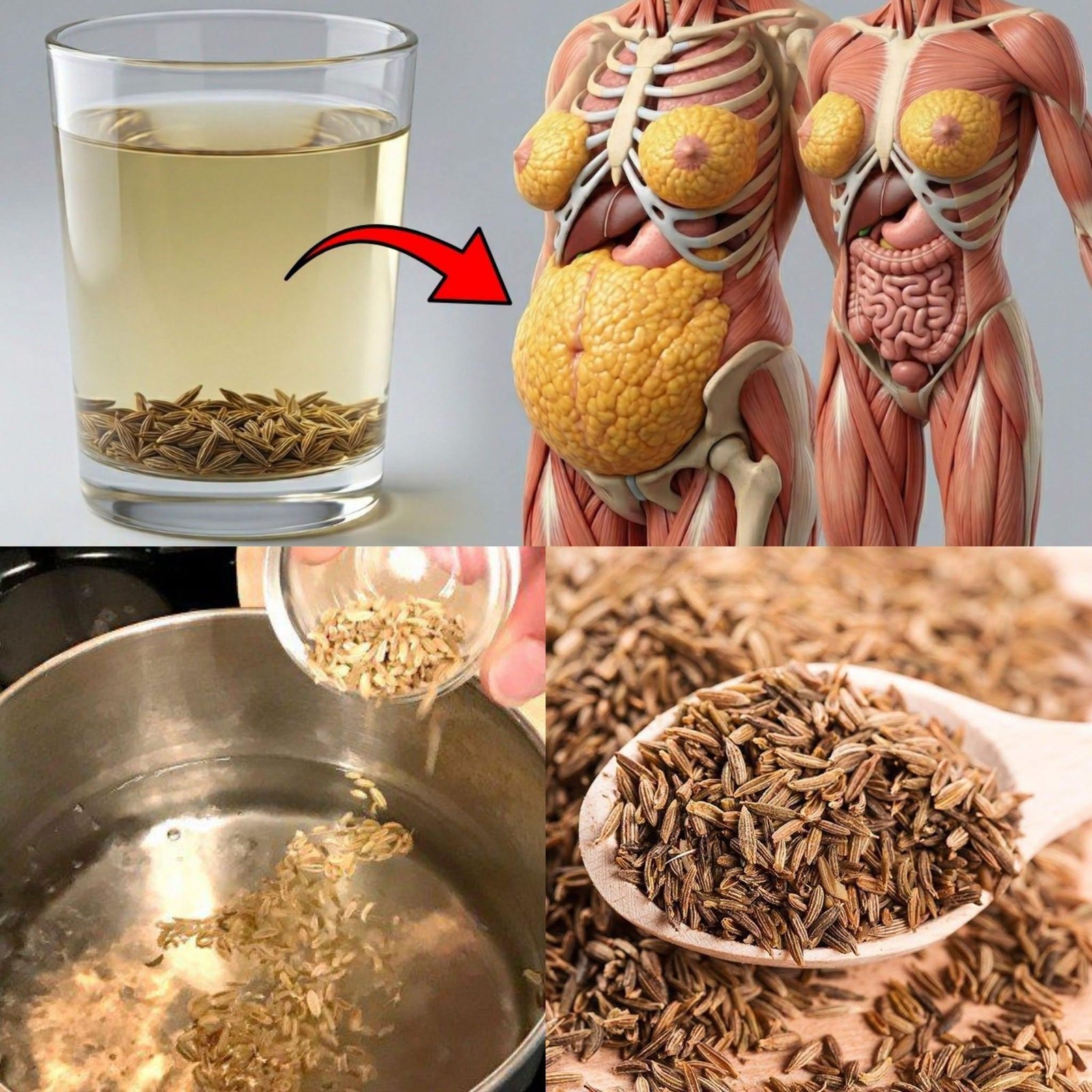
Imagine starting your morning with a warm, golden drink made from just two ingredients: cumin seeds and water.
No expensive supplements, complicated recipes, or unusual ingredients.
For generations, cumin water has been enjoyed in traditional households, particularly in parts of India and the Middle East. Sometimes called jeera water, this simple infusion is often associated with digestion, bloating, metabolism, and general wellness.
Recently, it has become increasingly popular among people looking for natural ways to improve their daily routines.
Some online claims suggest that drinking cumin water every morning can melt belly fat, detoxify the liver, lower blood sugar, and transform digestion.
But what actually happens when you drink it regularly?
Cumin contains interesting plant compounds, and some studies have explored its potential metabolic effects. However, evidence specifically supporting daily cumin water is limited, and it isn’t a proven treatment for any disease.
Let’s explore ten things worth knowing, including a simple homemade recipe, realistic benefits, and important precautions.
1. Cumin Water May Become a Pleasant Part of Your Morning Routine
One of the simplest benefits of cumin water has nothing to do with miraculous healing.
It’s a flavorful way to drink water.
Staying adequately hydrated supports normal digestion, temperature regulation, circulation, and kidney function.
Some people find plain water unappealing first thing in the morning. Adding a mild cumin flavor may encourage them to drink more.
However, cumin water doesn’t hydrate the body more effectively than ordinary water simply because it contains cumin.
The main hydration benefit comes from the water itself.
2. It Has a Long History of Traditional Digestive Use
Cumin has been used in traditional food and herbal practices for centuries.
Its distinctive flavor comes partly from aromatic compounds, including cuminaldehyde.
Traditional preparations have often been associated with digestive comfort, particularly after meals.
Some laboratory and small human studies have investigated cumin and digestive symptoms, but evidence remains limited.
Drinking warm cumin water may feel soothing to some people, although it hasn’t been established as an effective treatment for chronic bloating, irritable bowel syndrome, or indigestion.
Persistent digestive symptoms deserve medical evaluation rather than repeated self-treatment.
3. Can Cumin Water Reduce Bloating?
Bloating is one of the most common reasons people try cumin water.
Cumin is traditionally described as a carminative herb, meaning it has been used to help with gas-related discomfort.
However, we don’t have strong clinical evidence showing that drinking cumin-infused water every day reliably reduces bloating.
The causes of bloating vary widely.
They may include constipation, food intolerance, swallowing air, medication effects, or digestive disorders.
A warm beverage may provide comfort, but it won’t necessarily address the underlying cause.
If bloating is persistent, worsening, or accompanied by pain, vomiting, weight loss, or blood in the stool, seek medical advice.
4. Does Cumin Water Help With Weight Loss?
This is probably the most popular claim surrounding cumin water.
Some social media posts promise that drinking a cup every morning will rapidly burn belly fat.
Unfortunately, there’s no convincing evidence that cumin water specifically melts abdominal fat.
A few small studies have examined cumin powder or supplements in relation to body weight and metabolic markers.
But those findings can’t automatically be applied to a weak infusion made by soaking seeds in water.
Cumin water is generally low in calories when prepared without sugar.
If it replaces a sugary beverage, it may help reduce overall calorie intake.
That is a practical benefit—but not a special fat-burning effect.
Sustainable weight management depends on the overall dietary pattern, physical activity, sleep, medications, and individual health factors.
5. What About Blood Sugar Levels?
Researchers have explored whether cumin preparations might influence blood glucose regulation.
Some small studies involving cumin powder or extracts have reported changes in metabolic markers.
However, results are inconsistent, and the quality and size of the studies limit the conclusions.
There isn’t enough reliable evidence that daily cumin water meaningfully lowers blood sugar in people with diabetes.
It should never replace prescribed diabetes medication.
If you have diabetes, remember that even herbal products can sometimes complicate treatment decisions, particularly when used in concentrated forms.
Discuss regular medicinal use with your healthcare professional.
6. Cumin Contains Antioxidant Compounds
Cumin seeds contain naturally occurring compounds that demonstrate antioxidant activity in laboratory testing.
Antioxidants are substances that can interact with certain reactive molecules under experimental conditions.
But this doesn’t mean a cup of cumin water has been proven to prevent aging, eliminate inflammation, or protect against serious diseases.
The amount and type of compounds extracted into water depend on preparation methods.
A balanced diet containing vegetables, fruit, whole grains, legumes, nuts, and seeds provides a much broader range of beneficial nutrients.
Cumin can be part of that pattern, but it isn’t a substitute for it.
7. Can Cumin Water Improve Cholesterol?
Some clinical studies have examined cumin supplementation and blood lipid levels.
Certain trials have reported improvements in cholesterol or triglyceride measurements, while others have found less convincing results.
Differences in study design, preparation, dose, and participants make it difficult to draw firm conclusions.
Importantly, studies using cumin supplements don’t prove that drinking cumin water produces the same effects.
For cholesterol management, established approaches include dietary changes, physical activity, and medications when appropriate.
Oats, legumes, nuts, and unsaturated fats have stronger evidence as components of heart-healthy dietary patterns.
8. Is Cumin Water Good for Your Liver?
You may have seen claims that cumin water cleanses the liver or flushes toxins from the body.
These claims aren’t supported by reliable clinical evidence.
The liver already performs complex metabolic and detoxification functions.
The kidneys also help remove waste products from the bloodstream.
There is no convincing evidence that drinking cumin water makes these organs detoxify the body more efficiently.
If you have liver disease, avoid assuming that herbal preparations are automatically safe.
Some supplements and concentrated plant extracts can affect liver health or interact with medications.
9. Could It Support Heart Health?
Cumin is a flavorful spice that can help make meals enjoyable without relying on excessive salt.
Using cumin in cooking may be particularly helpful when you’re trying to reduce sodium while keeping food tasty.
But drinking cumin water itself hasn’t been proven to prevent heart attacks, lower blood pressure reliably, or treat cardiovascular disease.
A heart-healthy lifestyle includes appropriate medical care, regular activity, a balanced diet, and managing blood pressure and cholesterol.
Cumin water can be an enjoyable beverage within that routine, but it shouldn’t be mistaken for cardiovascular treatment.
10. What Happens If You Drink It Every Day for a Month?
For most healthy adults, drinking a mild cumin infusion in ordinary culinary amounts is unlikely to produce dramatic changes.
You might notice that you enjoy the taste, drink more water, or prefer it over sweetened beverages.
Some people may experience subjective digestive comfort.
Others may notice no difference at all.
A few people may experience heartburn, stomach irritation, or sensitivity.
There’s no scientifically established timeline showing that cumin water produces specific health changes after seven, fourteen, or thirty days.
Claims promising guaranteed results after a fixed number of days should be viewed skeptically.
How to Make Cumin Water at Home
The traditional preparation is simple and doesn’t require expensive ingredients.
Simple homemade cumin water
2 ingredients
Preparation
2 min
Cooking
5–10 min
Servings
1
Ingredients
- ½–1 teaspoon whole cumin seeds (Cuminum cyminum)
- 1 cup (240 ml) drinking water
Step-by-step instructions
Step 1. Measure the seeds
Use half to one teaspoon of ordinary culinary cumin seeds. Avoid confusing cumin with black cumin or other similarly named seeds.
Step 2. Add water
Place the cumin seeds in a small saucepan with one cup of water.
Step 3. Simmer gently
Bring the water to a light simmer and cook for approximately five minutes. Avoid boiling away too much liquid.
Step 4. Strain
Remove from the heat and let it cool slightly. Strain out the seeds.
Step 5. Serve
Drink warm or allow it to cool. Enjoy it plain, without added sugar.
This recipe is intended as a mildly flavored beverage, not a concentrated medicinal preparation.
Should You Soak Cumin Seeds Overnight Instead?
Another popular method involves soaking cumin seeds in water overnight.
The seeds release some flavor and soluble substances into the water.
However, there’s no convincing evidence that overnight soaking produces greater health benefits than briefly simmering the seeds.
If you prefer the soaking method, use clean utensils and potable water, refrigerate the mixture while soaking, and strain before drinking.
Avoid leaving prepared infusions at room temperature overnight, particularly in warm conditions.
Is It Better to Drink Cumin Water on an Empty Stomach?
Many online recipes insist that cumin water must be consumed before breakfast.
But there is no reliable evidence that drinking it on an empty stomach makes it more effective.
Some people may prefer it in the morning.
Others may find that drinking a spiced beverage without food causes discomfort or heartburn.
The best time is simply when you enjoy it and tolerate it well.
There’s no need to force yourself to drink cumin water before eating.
Can You Add Lemon, Ginger, or Cinnamon?
Yes, if you enjoy the flavor and the ingredients agree with you.
A small slice of ginger may add warmth.
A little cinnamon can create a pleasant aroma.
Lemon juice adds acidity and a refreshing taste.
However, adding these ingredients doesn’t transform the drink into a detox remedy or guarantee weight loss.
People prone to acid reflux may find lemon or strong spices irritating.
Choose ingredients based on taste and tolerance rather than exaggerated health promises.
Who Should Be Careful With Daily Cumin Water?
Cumin used in ordinary food amounts is generally well tolerated by most people.
However, drinking concentrated preparations or taking cumin supplements is different from seasoning food.
Consider additional caution if you:
- Have a known allergy to cumin or related spices.
- Experience heartburn or digestive irritation from spiced drinks.
- Are pregnant or breastfeeding and considering medicinal quantities.
- Take diabetes medication and plan to use concentrated cumin preparations.
- Take prescription medications and are considering cumin supplements or extracts.
- Have a medical condition requiring individualized dietary advice.
Human data on medication interactions with concentrated cumin products are limited, so consult a pharmacist or clinician before using them medicinally.
Don’t stop or adjust prescribed medication because you’re drinking cumin water.
Cumin Water vs. Plain Water: Which Is Healthier?
| Feature | Plain water | Mild cumin water |
|---|---|---|
| Hydration | Excellent | Excellent |
| Calories | Zero | Usually negligible |
| Flavor | Neutral | Warm, earthy, aromatic |
| Proven detoxification advantage | None needed | None established |
| Proven weight-loss effect | No direct fat-burning effect | No proven direct fat-burning effect |
| Potential digestive comfort | Individual | Traditionally used; evidence limited |
| Best use | Everyday hydration | Optional flavored beverage |
Both can be part of a healthy routine.
If cumin water helps you drink more fluids and avoid sugary drinks, that can be a useful habit.
But plain water is already an excellent choice.
Five Common Mistakes People Make With Cumin Water
Using excessive amounts
More cumin doesn’t necessarily mean greater benefits. Concentrated preparations may increase the likelihood of discomfort.
Adding lots of sugar
Sweetening the drink heavily can undermine the benefit of choosing a low-calorie beverage.
Storing it improperly
Prepared cumin water should be handled like other homemade beverages. Refrigerate leftovers promptly and use within a short period.
Treating it like medicine
Cumin water doesn’t replace treatment for diabetes, hypertension, digestive disease, or high cholesterol.
Expecting instant results
No beverage can compensate for an otherwise unbalanced diet or guarantee rapid changes in body weight or health.
The Bottom Line
Cumin water is a simple, inexpensive beverage with a long history of traditional use.
It offers an earthy flavor, provides hydration, and may be a pleasant addition to a morning or evening routine.
Cumin itself contains interesting natural compounds, and researchers have investigated some potential metabolic effects.
But daily cumin water hasn’t been proven to burn belly fat, detoxify the liver, cure digestive problems, or replace medication.
If you enjoy the taste and tolerate it well, a mild homemade infusion can be part of a balanced lifestyle.
The most valuable result may be surprisingly simple: choosing a flavorful, unsweetened drink while maintaining healthy everyday habits.
Further reading: USDA FoodData Central — Cumin Seed Nutritional Information; National Center for Complementary and Integrative Health (NCCIH) — Herbs and Supplements Safety; American Diabetes Association — Nutrition and Blood Glucose Management; American Heart Association — Healthy Beverages and Cardiovascular Nutrition; National Institutes of Health — Dietary Supplements and Evidence-Based Health Information.