7 Surprising Signs of Vitamin B12 Deficiency You Shouldn’t Ignore — Especially After 50!
Feeling unusually tired, forgetting simple things, or noticing strange tingling in your feet?
You might blame stress, poor sleep, or simply getting older. But sometimes, these seemingly unrelated symptoms can point to something surprisingly common: vitamin B12 deficiency.
Vitamin B12 helps your body produce healthy red blood cells, maintain nerve function, and make DNA. When levels become too low, symptoms can develop gradually and may be easy to overlook.
Older adults are particularly vulnerable because the body’s ability to absorb B12 from food can decline with age.
Here are seven signs worth knowing—and what you can do about them.
1. Constant Fatigue That Doesn’t Improve With Rest
Feeling exhausted even after a full night’s sleep can sometimes be linked to low vitamin B12.
B12 is essential for producing healthy red blood cells. A deficiency can cause anemia, reducing the blood’s ability to carry oxygen efficiently.
You may notice unusual weakness, reduced stamina, or shortness of breath during everyday activities.
However, fatigue has many possible causes, including thyroid disorders, sleep problems, and other types of anemia.
2. Tingling or Numbness in Your Hands and Feet
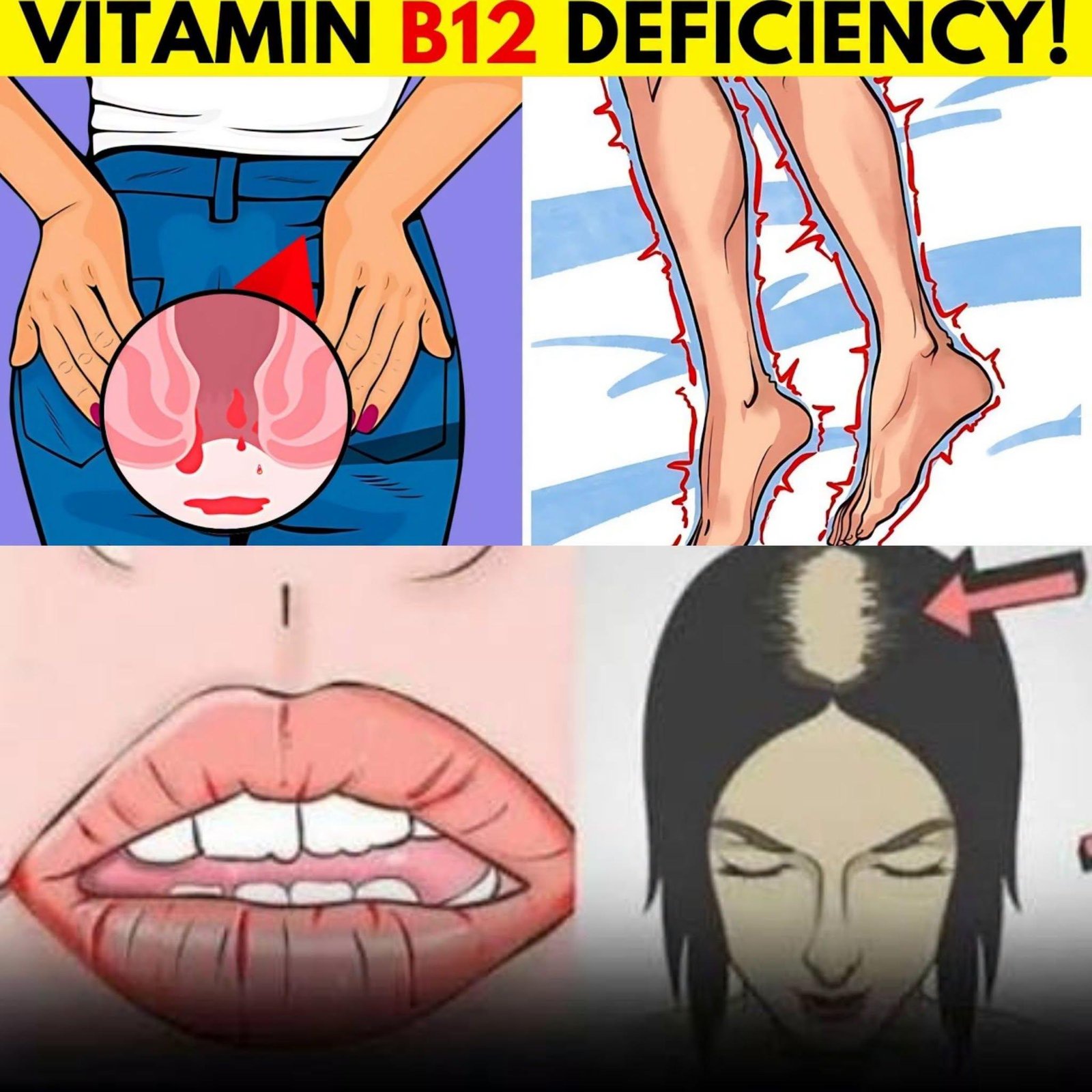
One of the more distinctive symptoms of B12 deficiency is a pins-and-needles sensation.
You might experience tingling, numbness, burning, or unusual sensations in your fingers and toes.
Vitamin B12 helps maintain myelin, the protective covering around nerves.
When deficiency persists, nerve damage may develop and can sometimes become permanent.
Persistent numbness or tingling deserves medical evaluation, even if you otherwise feel healthy.
3. Memory Problems and Difficulty Concentrating
Do you sometimes struggle to remember appointments or find it difficult to concentrate?
B12 deficiency can contribute to cognitive changes, including memory difficulties, confusion, and problems with attention.
But forgetfulness doesn’t automatically mean your B12 is low.
Stress, medications, poor sleep, depression, and neurological conditions can cause similar symptoms.
A healthcare professional can help determine whether testing is appropriate.
4. A Sore, Smooth, or Unusually Red Tongue
This is a symptom many people don’t associate with vitamin deficiency.
Low B12 can sometimes cause glossitis, an inflammation of the tongue.
The tongue may appear unusually smooth, red, swollen, or sore.
Some people also develop mouth ulcers or experience burning sensations.
These changes can have several causes, so an examination is important rather than assuming B12 deficiency.
5. Balance Problems or Feeling Unsteady When Walking
This is one of the most important warning signs, especially for older adults.
Vitamin B12 deficiency can affect nerves involved in balance and coordination.
You may notice that walking feels less steady, your feet seem difficult to position, or you stumble more frequently.
These symptoms can increase the risk of falls.
Because balance problems may also indicate serious neurological conditions, new or worsening unsteadiness should be assessed promptly.
Sudden balance loss, especially with weakness, facial drooping, or speech difficulties, requires emergency care.
6. Pale Skin, Dizziness, or Shortness of Breath
When B12 deficiency causes anemia, you may notice pale skin, lightheadedness, a faster heartbeat, or breathlessness.
Some people also experience headaches or reduced exercise tolerance.
These symptoms aren’t unique to B12 deficiency.
Heart conditions, iron deficiency, dehydration, and other medical problems can produce similar effects.
Severe shortness of breath, fainting, or chest pain requires urgent medical attention.
7. Mood Changes You Can’t Easily Explain
Vitamin B12 plays an important role in normal nervous system function.
A deficiency may sometimes be associated with mood changes, irritability, or depressive symptoms.
However, depression and anxiety are complex conditions with many possible causes.
B12 supplements haven’t been shown to improve mood in people who already have adequate B12 levels.
If your mood has changed significantly, it’s worth discussing the full picture with a healthcare professional.
Who Is Most at Risk of Vitamin B12 Deficiency?
Certain people are more likely to develop low B12 levels:
- Adults over 60, especially those with reduced stomach acid or absorption problems
- People following vegan diets without reliable B12 supplementation or fortified foods
- Individuals with pernicious anemia
- People with certain digestive disorders, including Crohn’s disease or celiac disease
- Those who have undergone some stomach or intestinal surgeries
- People taking metformin or long-term acid-suppressing medication
The Best Foods for Vitamin B12
Vitamin B12 is naturally found mainly in animal-derived foods.
| Food | Why it’s useful |
|---|---|
| Clams and other shellfish | Particularly rich in B12 |
| Salmon and sardines | Provide B12, protein, and omega-3 fats |
| Beef | Supplies B12 and other nutrients |
| Eggs | Convenient source of B12 |
| Milk and yogurt | Provide B12 and protein |
| Fortified cereals and plant milks | Important options for plant-based diets |
Adults generally need 2.4 micrograms of vitamin B12 daily, although individual needs and treatment doses differ.
Should You Take a B12 Supplement?
Not everyone needs one.
If you’re experiencing symptoms, a healthcare professional may recommend blood tests, including a complete blood count and serum B12. Sometimes additional testing, such as methylmalonic acid, is useful.
If deficiency is confirmed, treatment may involve oral supplements or injections, depending on its cause and severity.
Taking large doses without investigating symptoms can delay diagnosis of other medical problems.
The Bottom Line
Vitamin B12 deficiency can produce symptoms that are surprisingly easy to mistake for everyday aging.
Fatigue, tingling, memory changes, a sore tongue, balance difficulties, dizziness, and mood changes are all possible warning signs.
But none of these symptoms proves you have a B12 deficiency.
The most important step is recognizing persistent changes and discussing appropriate testing with a healthcare professional.
Early diagnosis matters because some neurological complications can become difficult to reverse if deficiency goes untreated.
Sources for further reading: NIH Office of Dietary Supplements — Vitamin B12 Fact Sheet; NHS — Vitamin B12 or Folate Deficiency Anaemia; MedlinePlus — Vitamin B12 Deficiency Anemia.