Bedbugs Will Disappear From Your Garden in a Few Minutes by Doing This!
Bedbugs Will Disappear From Your Garden in a Few Minutes by Doing This!
Have you noticed tiny insects hiding around your garden furniture, wooden benches, plant pots, or outdoor cushions? Finding unwanted bugs around your home can be frustrating, especially when they seem to return no matter how often you clean.
Many people search for quick, inexpensive ways to eliminate pests without filling their gardens with harsh chemicals. Fortunately, a few simple steps can help you identify the insects, remove their hiding places, and reduce the chances of an infestation spreading into your home.
But there is one important detail to understand: true bedbugs usually live near places where people sleep, not in garden soil or on plants. If you notice small, reddish-brown insects outdoors, they may be plant bugs, beetles, or other insects that resemble bedbugs.
Before trying any home remedy, it is important to identify the pest correctly. The right treatment depends on which insect you are dealing with.
In this guide, you will learn how to inspect your garden, remove common insect hiding places, and use practical methods to control unwanted bugs safely.
1. First, Make Sure the Insects Are Actually Bedbugs
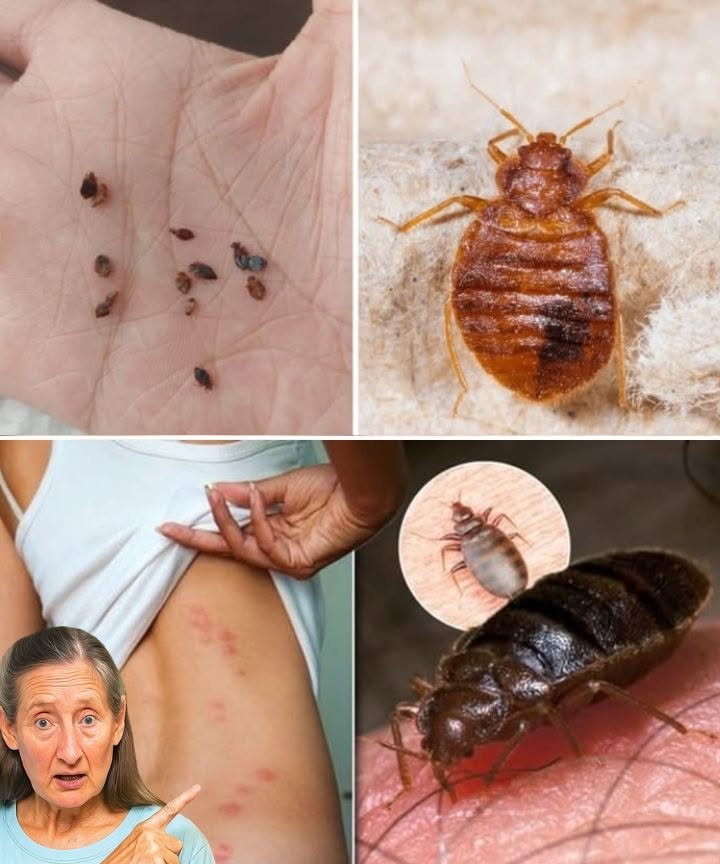
Bedbugs are small, flat, oval insects that feed on blood. Adult bedbugs are generally reddish-brown and approximately the size of an apple seed.
They commonly hide in mattress seams, bed frames, upholstered furniture, cracks, and other places close to where people rest.
Although bedbugs can occasionally be transported outdoors in clothing, luggage, furniture, or other belongings, they do not normally live and reproduce in garden soil like many outdoor pests.
Other insects may look similar at first glance.
For example, some plant bugs and beetles have reddish-brown bodies, while certain mites and small insects can be mistaken for bedbugs.
What should you look for?
- Flat, oval, reddish-brown insects.
- Tiny pale eggs or shed insect skins.
- Small dark spots around furniture seams or cracks.
- Live insects hiding in joints, folds, or crevices.
Bites alone cannot reliably identify bedbugs because many insects and skin conditions can cause similar marks.
If you suspect bedbugs, collect a specimen in a sealed container or take a clear photograph for identification before applying pesticides.
2. Remove Clutter and Inspect Garden Furniture
One of the simplest ways to make an outdoor area less attractive to hiding insects is to reduce clutter.
Piles of cardboard, unused cushions, discarded fabric, and stacked objects can create sheltered spaces where insects hide.
Start by inspecting the areas where you have noticed activity.
Follow these steps:
- Remove unnecessary cardboard, old fabric, and rubbish.
- Check underneath outdoor chairs, tables, and benches.
- Inspect cracks and joints in wooden furniture.
- Examine outdoor cushions and their seams.
- Dispose of heavily infested items responsibly when necessary.
If the insects are bedbugs, pay particular attention to furniture that has been moved from an infested bedroom or stored near sleeping areas.
Do not carry potentially infested cushions or furniture into your home before inspecting them.
3. Wash Outdoor Fabrics When Appropriate
Outdoor cushions, washable covers, blankets, and other fabric items can collect dirt and provide hiding places for insects.
Check the care label and wash suitable items according to the manufacturer’s instructions.
If bedbugs are confirmed, washing alone may not eliminate every insect or egg. A dryer cycle using a temperature and duration appropriate for the fabric can be an important part of treatment.
For items that may be infested, follow reliable bedbug-treatment guidance rather than assuming an ordinary wash will solve the problem.
Keep treated items separate from potentially infested belongings to prevent reinfestation.
4. Vacuum Cracks and Crevices
Vacuuming can help remove visible insects and debris from furniture joints, cracks, and other accessible hiding places.
Use a suitable attachment to inspect the undersides of chairs, furniture seams, and narrow gaps.
If you are dealing with suspected bedbugs, empty the vacuum contents into a sealed bag and dispose of them safely according to the vacuum manufacturer’s instructions.
Remember that vacuuming alone may not eliminate a bedbug infestation because insects and eggs can remain hidden in inaccessible places.
For other outdoor insects, removing debris and cleaning sheltered areas may help reduce their numbers.
5. Avoid Spraying Random Household Chemicals
When insects appear unexpectedly, it can be tempting to spray whatever is available at home.
However, household cleaners, bleach mixtures, fuels, and other improvised chemical treatments can damage plants, contaminate soil, harm beneficial insects, and expose people or pets to dangerous substances.
Never mix pesticides with bleach or other cleaning products.
If a pesticide is necessary, choose a product specifically labeled for the identified pest and the intended location. Follow the label exactly, including restrictions involving children, pets, edible plants, and outdoor surfaces.
A product intended for indoor bedbug treatment may not be appropriate for use on garden plants or soil.
6. Be Careful With Vinegar, Essential Oils, and Other Home Remedies
Online pest-control advice often recommends vinegar, peppermint oil, eucalyptus oil, or other strongly scented substances as quick insect killers.
Some substances may affect certain insects under particular conditions, but there is no reliable basis for claiming that a simple household mixture will eliminate an entire bedbug infestation in minutes.
Essential oils can also irritate skin, harm pets, or damage plants when improperly concentrated.
If you want to try a low-risk cleaning method, begin with ordinary cleaning and physical removal rather than applying homemade chemical mixtures.
For confirmed bedbugs, use established pest-control methods instead of relying on scents or folk remedies.
7. Prevent Insects From Entering Your Home
If you discover insects outdoors, preventing them from being carried inside can help reduce the risk of an indoor infestation.
Inspect secondhand furniture carefully before bringing it home.
Check luggage and clothing after staying somewhere with a known bedbug problem.
Seal cracks around suitable entry points where practical, and keep frequently used outdoor fabrics clean.
If you suspect bedbugs in your bedroom, inspect mattress seams, bed frames, headboards, and nearby furniture. Avoid moving potentially infested items from room to room because this can spread the insects.
For a confirmed infestation, professional pest control may be necessary.
8. When Should You Call a Pest-Control Professional?
Professional assistance is worth considering when:
- You repeatedly find suspected bedbugs indoors.
- You discover insects or eggs in mattress seams or furniture joints.
- The insects return after repeated cleaning.
- Multiple rooms appear to be affected.
- You cannot confidently identify the pest.
- The infestation involves a large amount of furniture or difficult-to-treat areas.
A qualified pest-control professional can identify the insect and recommend an appropriate treatment plan.
Correct identification matters because bedbugs, garden pests, fleas, and other insects require different control methods.
Frequently Asked Questions
Can bedbugs live in garden soil?
Bedbugs are not typical soil-dwelling garden pests. They usually hide near places where people sleep or rest. Insects found in garden soil are more likely to belong to another group.
Can bedbugs disappear in a few minutes?
You may be able to remove a visible insect quickly, but eliminating an infestation generally requires more than a single treatment. Hidden insects and eggs can survive initial cleaning efforts.
Does vinegar kill bedbugs?
Vinegar is not a reliable method for eliminating a bedbug infestation. It should not replace established pest-control methods.
Can sunlight kill bedbugs?
Simply placing an object in sunlight is not a dependable way to eliminate bedbugs. Temperatures inside an item may remain too low, allowing insects and eggs to survive.
What is the safest first step when you find bugs outdoors?
Identify the insect, remove unnecessary clutter, inspect nearby furniture, and clean the affected area. Avoid applying pesticides until you know which pest you are treating.
Final Thoughts
Finding insects around your garden can be unpleasant, but you do not need to panic or immediately reach for harsh chemicals.
Start by identifying the insect, removing clutter, inspecting furniture, and cleaning affected areas. These steps can help manage many common outdoor pest problems.
If the insects are genuine bedbugs, remember that they are primarily indoor pests and that a complete infestation rarely disappears after one quick home treatment.