🦷 Keep These Tips in Mind to Avoid Visiting the Dentist! How to Naturally Repair a Cavity
🦷 Keep These Tips in Mind to Avoid Visiting the Dentist! How to Naturally Repair a Cavity
Have you ever felt a sudden twinge in your tooth while drinking something cold or noticed a small dark spot on the surface of a tooth? Dental problems can be uncomfortable, expensive, and inconvenient, which is why many people look for natural ways to protect their teeth at home.
The good news is that your teeth have a natural ability to repair some early mineral loss. With the right oral hygiene habits, a healthy diet, and fluoride protection, you may be able to stop or reverse the earliest stages of tooth decay before a permanent cavity develops.
However, there is an important difference between strengthening weakened enamel and repairing a hole in a tooth.
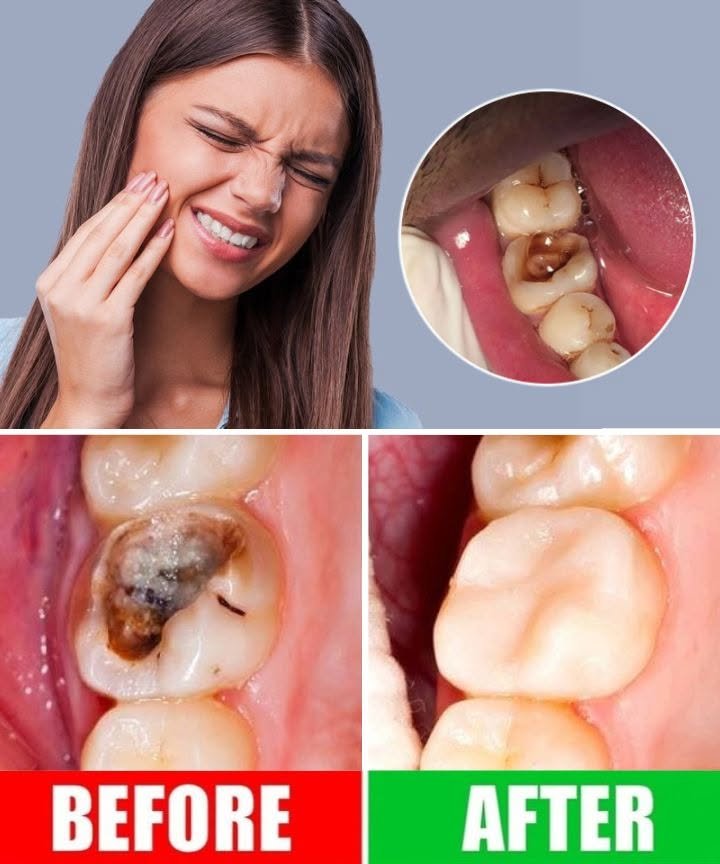
Once tooth decay has destroyed enough enamel to create a physical cavity, brushing, oil pulling, salt water, or other home remedies cannot rebuild the missing tooth structure. A dentist may need to treat the damaged area to prevent further decay, pain, or infection.
So, how can you protect your teeth naturally? Which habits help strengthen enamel? And what can you do at home if you suspect that a cavity is developing?
Let’s explore practical, evidence-based ways to support healthy teeth, reduce your risk of cavities, and recognize when professional dental care is necessary.
1. Understand How Cavities Develop
To understand how to prevent cavities, it helps to know what happens inside your mouth.
Your teeth are covered by enamel, a hard outer layer that protects the softer tissues underneath. Although enamel is the hardest substance in the human body, it can still be damaged by repeated acid attacks.
Bacteria in dental plaque feed on sugars and produce acids. These acids remove minerals such as calcium and phosphate from the enamel in a process called demineralization.
Your saliva helps neutralize acids and return minerals to the tooth surface. This natural repair process is known as remineralization.
When mineral loss repeatedly exceeds mineral repair, tooth decay can develop.
At first, decay may appear as a chalky white spot on the tooth. At this early stage, before a hole forms, the process may be stopped or reversed with appropriate care.
If decay progresses and creates a cavity, the missing structure generally cannot grow back.
The key is to intervene early, before the damage becomes permanent.
2. Brush Twice a Day With Fluoride Toothpaste
One of the most effective ways to prevent cavities is also one of the simplest: brush your teeth twice daily with fluoride toothpaste.
Fluoride helps strengthen enamel and makes teeth more resistant to acid attacks. It can also support remineralization of early enamel damage.
How to brush effectively
- Brush for approximately two minutes each time.
- Use a soft-bristled toothbrush.
- Clean the outer, inner, and chewing surfaces of every tooth.
- Brush gently along the gumline.
- Spit out the toothpaste after brushing rather than rinsing your mouth vigorously with water.
Leaving a small amount of fluoride toothpaste in the mouth helps maintain its protective effect.
Replace your toothbrush approximately every three to four months, or sooner if the bristles become frayed.
Brushing harder does not clean teeth better. Excessive pressure can irritate your gums and contribute to tooth wear.
3. Clean Between Your Teeth Every Day
A toothbrush cannot effectively reach every surface between your teeth.
Food particles and plaque can accumulate in these spaces, increasing the risk of cavities, particularly where teeth touch one another.
Daily cleaning between your teeth helps remove plaque from areas that brushing alone may miss.
You can use dental floss, interdental brushes, or another suitable interdental cleaning device.
Tips for effective flossing
- Gently guide the floss between two teeth.
- Curve it around one tooth in a C shape.
- Move it carefully along the side of the tooth and just beneath the gumline.
- Repeat on the neighboring tooth.
- Use a clean section of floss as you move from one space to another.
Avoid snapping floss forcefully into your gums.
If traditional floss is difficult to use, interdental brushes may be a helpful alternative, depending on the spaces between your teeth.
4. Reduce the Frequency of Sugary Snacks and Drinks
You do not necessarily need to eliminate every sweet food to protect your teeth, but how often you consume sugar matters.
When bacteria in plaque encounter fermentable carbohydrates, they produce acids that attack enamel. Frequent snacking and sipping sugary drinks can expose your teeth to repeated acid attacks throughout the day.
Examples include sugary soft drinks, sweetened tea or coffee, candy, cookies, and frequent consumption of sweetened juices.
What can you do?
- Drink plain water regularly.
- Keep sugary snacks to mealtimes rather than eating them repeatedly throughout the day.
- Avoid sipping sugary drinks over long periods.
- Choose unsweetened beverages more often.
- Rinse with water after consuming acidic or sugary foods when brushing is not immediately practical.
Fruit juice can also contain substantial amounts of sugar and acid, even when it has no added sugar.
Whole fruit is generally a better everyday choice because it provides fiber and usually takes longer to consume.
5. Eat Foods That Support Healthy Teeth
Your teeth need minerals and nutrients to remain healthy. A balanced diet can support enamel, gums, saliva production, and the tissues surrounding your teeth.
Useful food choices include:
Calcium-rich foods: Milk, yogurt, cheese, and calcium-fortified alternatives can help supply calcium.
Protein-rich foods: Eggs, fish, beans, lentils, and other protein sources contribute nutrients needed for normal tissue maintenance.
Vegetables and whole fruits: These provide vitamins, minerals, and fiber as part of a balanced diet.
Nuts and seeds: These can contribute minerals and healthy fats, depending on the variety.
Cheese and some other dairy foods may also stimulate saliva and help neutralize acids in the mouth.
However, no particular food can fill an existing cavity or replace dental treatment.
6. Drink Water and Support Healthy Saliva Production
Saliva is one of your mouth’s natural defenses against tooth decay.
It helps wash away food particles, neutralize acids, and supply minerals involved in enamel remineralization.
A dry mouth can increase cavity risk because there is less saliva available to protect the teeth.
What causes dry mouth?
Possible causes include:
- Dehydration.
- Certain medications.
- Some medical conditions.
- Mouth breathing.
- Radiation treatment involving the head or neck.
What may help?
Drink water regularly and address any underlying cause of persistent dry mouth with a healthcare professional.
Sugar-free chewing gum can stimulate saliva in people who can chew safely. Products containing xylitol may also be useful as part of an overall cavity-prevention strategy, although results vary and they do not replace brushing or fluoride.
If your mouth feels dry every day, particularly if you have difficulty swallowing dry foods or frequently develop cavities, ask your dentist or doctor about possible causes.
7. Recognize Early Signs of Tooth Decay
Cavities do not always cause pain in their earliest stages.
You may notice a white or chalky area on a tooth, a brown or dark spot, or increased sensitivity to cold, heat, or sweets.
However, not every dark spot is a cavity, and early tooth decay may be invisible without a dental examination.
Possible warning signs include:
- White spots or changes in enamel appearance.
- Sensitivity to cold drinks or sweet foods.
- Food repeatedly becoming trapped in one area.
- A visible hole or rough area.
- Persistent toothache.
- Pain when biting.
If you notice a possible cavity, arrange a dental examination rather than waiting for pain to develop.
A dentist can determine whether the area represents early mineral loss, established decay, staining, or another problem.
Early treatment is often simpler than treating advanced decay.
8. Can You Naturally Reverse an Early Cavity?
This is one of the most important questions about dental health.
The answer depends on the stage of decay.
Early enamel demineralization
If minerals have been lost from the enamel but the tooth surface remains intact, the process may be stopped or reversed.
Helpful measures include:
- Brushing twice daily with fluoride toothpaste.
- Cleaning between the teeth daily.
- Reducing frequent sugar exposure.
- Drinking water regularly.
- Using additional fluoride treatments when recommended by a dentist.
A dentist may also recommend prescription-strength fluoride or other preventive treatments, depending on your cavity risk.
A cavity with a physical hole
When decay creates a hole in the tooth, the missing structure generally cannot regenerate naturally.
Fluoride may help protect the remaining tooth structure, but it cannot reliably rebuild the missing enamel and dentin.
Depending on the extent of damage, treatment may involve a filling, crown, or another dental procedure.
If decay reaches the pulp inside the tooth, root canal treatment or extraction may sometimes be necessary.
Do not delay treatment for a suspected cavity simply because the tooth is not painful. Decay can progress without producing obvious symptoms.
9. Be Careful With Popular Natural Cavity Remedies
Many online articles recommend household ingredients for supposedly repairing cavities. Some may provide temporary comfort or help with ordinary oral hygiene, but most cannot reverse established tooth decay.
Salt water
A mild saltwater rinse may temporarily soothe irritated gums and help keep the mouth comfortable.
However, salt water does not rebuild enamel or fill a cavity.
Coconut oil and oil pulling
Oil pulling involves swishing oil around the mouth and then spitting it out.
Some small studies have examined its effects on oral bacteria or plaque, but the evidence is limited. It should not replace fluoride toothpaste, interdental cleaning, or professional dental care.
Swallowing large amounts of oil can cause digestive problems, and accidental inhalation of oil can be dangerous.
Baking soda
Some toothpaste products contain baking soda as a cleaning ingredient. However, homemade baking soda mixtures are not a reliable substitute for fluoride toothpaste and do not repair a cavity.
Clove oil
Clove oil has traditionally been used for temporary dental discomfort, but concentrated preparations can irritate or damage oral tissues if used improperly.
It does not treat the underlying cause of tooth decay. Persistent tooth pain needs dental assessment.
Lemon juice and vinegar
Avoid rubbing lemon juice, vinegar, or other acidic substances on your teeth to whiten them or treat cavities.
Acids can erode enamel and make teeth more vulnerable to damage.
The safest strategy is to use evidence-based preventive measures rather than relying on unproven remedies.
10. Don’t Ignore Tooth Sensitivity or Pain
Tooth sensitivity can occur for several reasons, including enamel wear, gum recession, exposed tooth roots, cracks, or tooth decay.
A brief, mild sensitivity to cold does not always indicate a cavity. However, pain that repeatedly occurs in the same tooth deserves attention.
When should you see a dentist?
Make an appointment if you experience:
- Persistent toothache.
- Sensitivity that is getting worse.
- Pain when chewing.
- A visible cavity.
- Food repeatedly trapping in a damaged tooth.
- A broken or cracked tooth.
Seek urgent dental care if you develop facial or gum swelling, pus, fever associated with tooth pain, or difficulty opening your mouth.
Difficulty breathing or swallowing with dental or facial swelling is a medical emergency.
Do not place aspirin directly against the tooth or gum, as it can damage the tissues.
11. Protect Your Teeth at Night
Nighttime habits can also affect dental health.
For example, grinding or clenching your teeth can wear down enamel and cause jaw discomfort. Reflux may expose teeth to stomach acid, while sleeping with a dry mouth can contribute to an increased risk of decay.
Helpful nighttime habits
- Brush with fluoride toothpaste before bed.
- Clean between your teeth daily.
- Avoid frequent sugary snacks immediately before sleeping.
- Do not ignore persistent dry mouth.
- Seek assessment if you grind your teeth or wake with jaw pain.
If you have nighttime acid reflux, discuss persistent symptoms with a healthcare professional.
A dentist may recommend a protective mouthguard for teeth grinding. A mouthguard protects against damage but does not cure the underlying cause.
12. Visit Your Dentist Before Problems Become Painful
Although good home care is essential, it cannot identify or treat every dental problem.
Regular dental examinations allow a dentist to assess areas that may be difficult to see, identify early decay, evaluate gum health, and recommend preventive care based on your individual risk.
How often you need an appointment depends on your dental history, cavity risk, gum health, and other factors.
Some people need more frequent visits than others.
Professional care may also help detect problems before they become painful or require more extensive treatment.
The goal is not to avoid the dentist at all costs. It is to reduce the likelihood of preventable dental problems and seek treatment early when necessary.