🚨 12 Warning Signs Your Body Is Crying for Help — Don’t Ignore These Symptoms!
🚨 12 Warning Signs Your Body Is Crying for Help — Don’t Ignore These Symptoms!
Have you ever felt unusually tired for days, noticed changes in your skin, or experienced aches and pains that seem to appear without a clear reason? Sometimes, we dismiss these changes as ordinary stress, lack of sleep, or simply getting older.
But what if your body is trying to tell you something?
Our bodies constantly communicate through physical sensations, changes in energy, appetite, sleep, digestion, and other everyday functions. Many of these changes are harmless and temporary. Others may indicate that something needs attention, especially when symptoms persist, worsen, or appear suddenly.
The challenge is knowing which signs deserve attention and which are part of normal life.
In this article, we explore 12 common symptoms that may indicate an underlying health issue, explain some possible causes, and discuss practical steps you can take to protect your well-being.
Important: None of these symptoms automatically means you have a serious disease. Their significance depends on their severity, duration, associated symptoms, and your medical history.
1. Constant Fatigue Even After Getting Enough Sleep
Do you wake up feeling exhausted even after spending seven or eight hours in bed? Or do ordinary activities leave you feeling more tired than they used to?
Persistent fatigue is one of the most common symptoms people experience, and it can have many different causes.
Occasional tiredness may result from a busy schedule, physical exertion, emotional stress, or inadequate sleep. However, fatigue that continues for weeks or interferes with daily activities deserves attention.
What could cause persistent fatigue?
Possible causes include:
- Iron-deficiency anemia.
- Thyroid disorders.
- Sleep apnea or other sleep disorders.
- Depression or anxiety.
- Diabetes.
- Medication side effects.
- Infections or other chronic medical conditions.
For some people, fatigue develops because of nutritional deficiencies. Others may have a sleep-related problem that prevents them from getting restorative rest.
What should you do?
Try maintaining a consistent sleep schedule, eating balanced meals, staying physically active as tolerated, and limiting caffeine late in the day.
If fatigue persists, arrange a medical appointment. A healthcare professional may recommend tests based on your symptoms, such as a blood count, iron studies, or thyroid testing.
Seek urgent care if severe weakness develops suddenly or occurs with chest pain, difficulty breathing, fainting, or confusion.
2. Unexplained Weight Loss
Losing weight without changing your diet, exercise routine, or other habits can sometimes be a warning sign that deserves medical evaluation.
Weight naturally fluctuates, and small changes may result from fluid shifts or differences in eating habits. However, significant unintentional weight loss should not be ignored.
What might it mean?
Possible causes include:
- An overactive thyroid.
- Poorly controlled diabetes.
- Digestive conditions that interfere with nutrient absorption.
- Depression or prolonged emotional stress.
- Chronic infections.
- Medication effects.
- Certain cancers.
Unintentional weight loss does not automatically mean cancer. Many other conditions can cause it, and identifying the cause is the important first step.
When should you seek help?
A commonly used threshold for concerning unintentional weight loss is losing approximately 5% or more of your body weight over six to twelve months without trying.
For example, someone weighing 70 kilograms who loses about 3.5 kilograms without an explanation should consider a medical evaluation.
Seek advice sooner if weight loss occurs with persistent fever, night sweats, blood in the stool, ongoing pain, or marked changes in appetite.
3. Frequent Thirst and Urination
Are you constantly thirsty, drinking more water than usual, or waking several times during the night to urinate?
These symptoms can occur for many reasons, including hot weather, increased fluid intake, certain medications, or conditions affecting blood sugar regulation.
One possible cause is diabetes.
When blood glucose levels become too high, the kidneys may remove excess glucose through urine. This can increase urination and contribute to dehydration and thirst.
Other possible symptoms of diabetes
- Increased hunger.
- Unexplained weight loss.
- Blurred vision.
- Fatigue.
- Slow-healing wounds.
- Recurrent infections.
Some people with type 2 diabetes have few noticeable symptoms, which is why screening can be important for those at increased risk.
What should you do?
If unusual thirst and frequent urination persist, consult a healthcare professional about checking your blood glucose.
Do not try to treat possible diabetes by simply drinking more water or eliminating all carbohydrates.
Seek emergency care if excessive thirst and urination occur with vomiting, abdominal pain, deep or rapid breathing, severe dehydration, or confusion. These can be signs of a dangerous metabolic emergency.
4. Changes in Your Skin, Nails, or Hair
Your skin, hair, and nails naturally change with age, weather, hormones, and daily habits. Sometimes, however, new changes can be associated with nutritional deficiencies or other medical conditions.
For example, brittle nails, hair loss, or unusually pale skin may occur with iron deficiency, while certain thyroid disorders can affect hair texture and skin moisture.
Other possible contributors include stress, skin conditions, hormonal changes, and medication effects.
Changes worth noticing
- New or worsening hair loss.
- Unusual skin dryness accompanied by other symptoms.
- Persistent itching without an obvious explanation.
- Unusual nail changes.
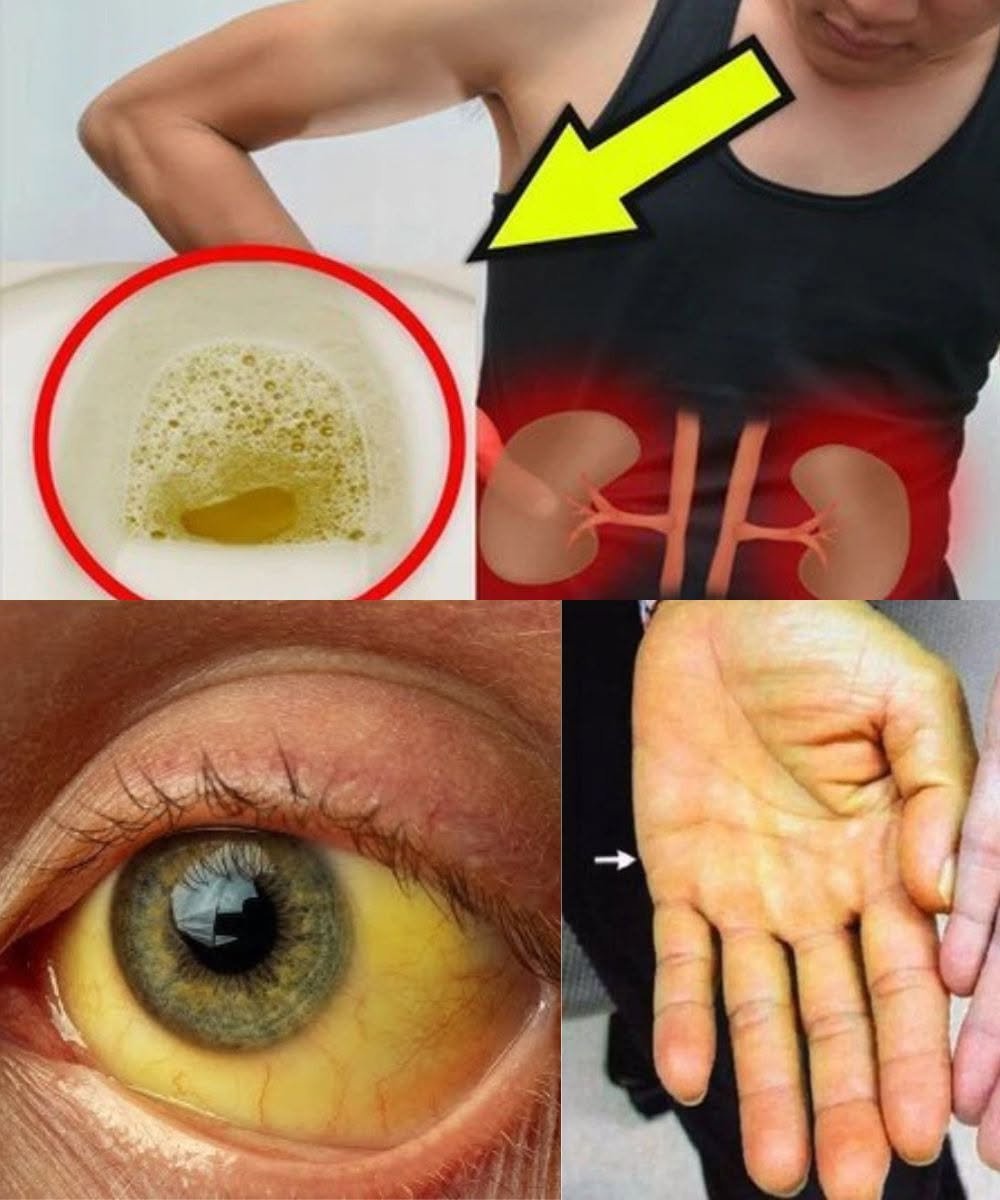
- New yellowing of the skin or whites of the eyes.
- A mole that changes in size, shape, or color.
These symptoms have different possible causes and cannot reliably diagnose a nutritional deficiency or disease on their own.
How can you protect your health?
Eat a varied diet containing adequate protein, vegetables, fruit, and sources of essential nutrients.
Avoid taking high-dose vitamin or mineral supplements without a clear reason, as excessive amounts of some nutrients can be harmful.
Have persistent skin or hair changes evaluated, especially if they occur with fatigue, weight changes, or other unexplained symptoms.
New yellowing of the eyes or skin requires prompt medical assessment. If it occurs with severe abdominal pain, fever, or confusion, seek emergency care.
5. Persistent Digestive Problems
Your digestive system may occasionally react to a large meal, unfamiliar food, stress, or changes in routine.
However, ongoing bloating, abdominal pain, diarrhea, constipation, or changes in bowel habits can sometimes signal an underlying condition.
Possible causes
- Food intolerances.
- Irritable bowel syndrome.
- Gastroesophageal reflux disease.
- Celiac disease.
- Inflammatory bowel disease.
- Medication side effects.
- Other digestive disorders.
The same symptom can have different causes in different people. For example, bloating may result from gas, constipation, food sensitivity, or a number of other conditions.
What can help?
Keep track of your symptoms, meals, bowel habits, and any medications you take. This information may help your healthcare professional identify patterns.
Eat slowly, stay adequately hydrated, and make dietary changes gradually rather than eliminating large food groups unnecessarily.
Seek medical advice if digestive symptoms persist, repeatedly disrupt your daily life, or are accompanied by unexplained weight loss.
Blood in the stool, black tarry stools, severe abdominal pain, repeated vomiting, or signs of significant dehydration require urgent assessment.
6. Shortness of Breath During Ordinary Activities
Becoming breathless after vigorous exercise can be normal. However, feeling unusually short of breath while walking a short distance, climbing a few steps, or resting may indicate a health problem.
Possible causes include anemia, asthma, respiratory infections, heart conditions, and other lung or cardiovascular disorders.
The meaning of breathlessness depends on how suddenly it begins, how severe it is, and whether other symptoms occur.
Warning signs to recognize
Pay attention if you notice:
- Breathlessness that is new or worsening.
- Difficulty breathing while lying flat.
- Waking up gasping for air.
- Swelling in the legs or ankles.
- A persistent cough.
- Reduced exercise tolerance.
These symptoms warrant medical assessment, especially if they represent a change from your normal abilities.
Call emergency services if you develop sudden or severe breathing difficulty, chest pain, blue or gray lips, fainting, or confusion.
Do not assume that breathlessness is simply due to age, weight, or being out of shape.
7. Chest Discomfort or Unusual Pressure
Chest discomfort is a symptom that should never be dismissed automatically.
Heart-related discomfort may feel like pressure, tightness, squeezing, heaviness, or burning. It can sometimes spread to the arms, shoulders, back, neck, or jaw.
Other symptoms may include breathlessness, nausea, cold sweating, or lightheadedness.
Heart attacks do not always present with dramatic pain. Some people experience less obvious symptoms, including unusual fatigue or discomfort in the upper body.
However, chest pain can also result from reflux, muscle strain, anxiety, and other conditions. It is not possible to reliably distinguish every cause at home.
What should you do?
If you experience new, unexplained chest pressure or discomfort that may be heart-related, seek emergency medical assessment.
Do not wait for the pain to become severe or assume that it will disappear with rest.
If someone becomes unresponsive and is not breathing normally, call emergency services and follow the dispatcher’s instructions.
Prompt treatment can be lifesaving when a heart attack or another cardiovascular emergency is occurring.
8. Persistent Headaches or Changes in Vision
Headaches are common and often result from tension, migraine, dehydration, illness, or sleep disturbances.
However, a headache that becomes progressively worse, changes significantly from your usual pattern, or occurs with other symptoms may need medical evaluation.
Vision changes also deserve attention, particularly when they begin suddenly.
Possible warning signs
- Frequent headaches that are becoming more severe.
- Persistent blurred vision.
- Repeated episodes of double vision.
- New headaches accompanied by fever.
- Headaches associated with unexplained vomiting.
- New headaches after a head injury.
Sudden vision loss, a sudden extremely severe headache, or a headache accompanied by weakness, confusion, or difficulty speaking requires emergency assessment.
A new headache in someone over 50, particularly with scalp tenderness, jaw pain while chewing, or visual symptoms, also needs prompt medical attention because certain inflammatory conditions can threaten vision.
What can you do?
Maintain regular sleep habits, drink adequate fluids, and keep a record of headache frequency and potential triggers.
If headaches repeatedly require pain medication or interfere with daily activities, speak with a healthcare professional rather than relying on self-treatment indefinitely.
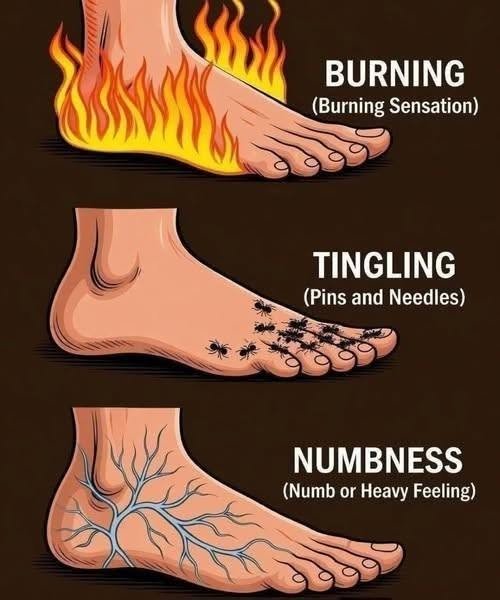
9. Numbness or Tingling in Your Hands and Feet
A temporary tingling sensation may occur when you sit in one position for too long or place pressure on a nerve.
However, persistent numbness, burning, or tingling can sometimes indicate a nerve problem or another medical condition.
Possible causes include:
- Diabetes-related nerve damage.
- Vitamin B12 deficiency.
- Nerve compression.
- Certain medications.
- Alcohol-related nerve damage.
- Thyroid disorders.
- Other neurological conditions.
The location and pattern of symptoms can help a clinician determine which causes are more likely.
When should you be concerned?
Arrange a medical assessment if numbness persists, spreads, causes pain, or affects your balance or ability to use your hands and feet.
Sudden numbness or weakness on one side of the body, especially with facial drooping, difficulty speaking, vision changes, or loss of balance, may indicate a stroke.
Call emergency services immediately if these symptoms occur, even if they improve.
Do not wait to see whether sudden neurological symptoms disappear on their own.
10. Swelling in Your Feet, Ankles, or Legs
Swelling can develop after prolonged standing, sitting for long periods, eating a salty meal, or experiencing certain medication effects.
But persistent or unexplained swelling may sometimes be related to problems involving the heart, kidneys, liver, veins, or lymphatic system.
What might the swelling look like?
You may notice that your shoes feel tighter, your ankles appear puffy, or pressing a finger against your lower leg leaves a temporary indentation.
Swelling in both legs can have different causes from swelling affecting only one leg.
A blood clot in a deep vein can cause swelling, pain, warmth, or redness in one leg and requires prompt medical evaluation.
When should you seek medical care?
Arrange an assessment for new, persistent, or unexplained swelling.
Seek emergency care if swelling occurs with sudden breathlessness, chest pain, fainting, or coughing up blood.
Do not assume that swelling is harmless simply because it improves after resting.
11. Changes in Sleep, Mood, or Memory
Sleep difficulties, changes in mood, and occasional forgetfulness are common experiences. Stress, grief, hormonal changes, and disrupted routines can all affect how you feel and think.
However, persistent changes may sometimes indicate a treatable health problem.
Possible contributors include:
- Depression or anxiety.
- Sleep apnea.
- Thyroid disorders.
- Medication side effects.
- Vitamin B12 deficiency.
- Alcohol use.
- Other medical or neurological conditions.
Poor sleep can affect concentration and memory, while mood disorders may influence appetite, energy, and motivation.
What should you do?
Pay attention to changes that persist for several weeks, interfere with everyday activities, or are noticed by family members.
A healthcare professional can assess your symptoms and determine whether sleep problems, medication effects, mood disorders, or other causes may be involved.
Sudden confusion or a sudden change in mental status requires urgent medical evaluation.
If memory problems progressively interfere with managing money, taking medication, cooking, or other daily tasks, arrange a medical appointment.
12. Slow-Healing Wounds or Recurrent Infections
A small cut may take some time to heal, particularly if it is repeatedly irritated. However, wounds that remain open, become increasingly painful, or heal unusually slowly may require attention.
Possible contributors include diabetes, poor circulation, inadequate nutrition, certain medications, and wound infection.
High blood glucose can impair aspects of the body’s healing response and increase the risk of some infections.
Warning signs to watch for
- A wound that is not improving.
- Increasing redness or warmth around a wound.
- Pus or an unpleasant odor.
- Increasing pain or swelling.
- Repeated skin or urinary infections.
- Persistent foot sores, particularly in people with diabetes.
What can you do?
Keep minor wounds clean and protected, and monitor them for changes.
If you have diabetes, check your feet regularly and seek advice promptly for sores, blisters, or injuries that do not heal.
Get medical attention for spreading redness, increasing pain, pus, or fever associated with a wound.
Rapidly spreading infection, severe weakness, confusion, or other signs of serious illness require urgent care.
Why You Should Never Diagnose Yourself Based on One Symptom
One of the biggest mistakes people make is assuming that a single symptom proves they have a particular disease.
For example, fatigue does not automatically mean anemia, headaches do not necessarily indicate high blood pressure, and bloating does not always signal a digestive disorder.
Many conditions share similar symptoms. The correct diagnosis may depend on a physical examination, medical history, blood tests, imaging, or other investigations.
Online health articles can help you recognize when to seek care, but they cannot replace a proper medical assessment.
Pay attention to the pattern of your symptoms, how long they last, whether they are worsening, and whether several symptoms occur together.
Five Simple Habits That Help Protect Your Health
Although not every illness can be prevented, everyday habits can reduce the risk of many chronic diseases and support general well-being.
1. Eat a balanced diet
Include vegetables, fruit, whole grains, legumes, and suitable sources of protein. Limit excessive salt, highly processed foods, and added sugars.
2. Stay physically active
Choose activities suited to your abilities, such as walking, cycling, swimming, or strength exercises.
Many adults can work toward at least 150 minutes of moderate-intensity physical activity per week, if appropriate for their health.
3. Prioritize sleep
Most adults need around seven to nine hours of sleep per night, although individual needs vary.
Persistent snoring, gasping during sleep, or excessive daytime sleepiness may warrant assessment for a sleep disorder.
4. Attend routine health checks
Blood pressure, cholesterol, and blood glucose problems may develop without noticeable symptoms.
Screening recommendations depend on your age, medical history, risk factors, and local health guidance.
5. Avoid smoking and use alcohol cautiously
Avoiding tobacco can reduce the risk of cardiovascular disease, lung disease, and several cancers. Limiting or avoiding alcohol can also support health.
If you take medication or have a chronic medical condition, discuss lifestyle changes with your healthcare professional when needed.
When Should You Seek Emergency Medical Attention?
Some symptoms require immediate action rather than a routine appointment.
Call your local emergency service if you or someone nearby develops:
- Sudden facial drooping, one-sided weakness, or difficulty speaking.
- Chest pressure or pain that may indicate a heart attack.
- Severe or sudden difficulty breathing.
- A sudden, extremely severe headache.
- Sudden loss of vision.
- Severe confusion or loss of consciousness.
- Severe abdominal pain with repeated vomiting or an inability to pass stool or gas.
Do not wait for symptoms to become worse, and do not delay emergency care while searching for home remedies.
If a symptom is persistent but not immediately dangerous, arrange a medical appointment to discuss it.