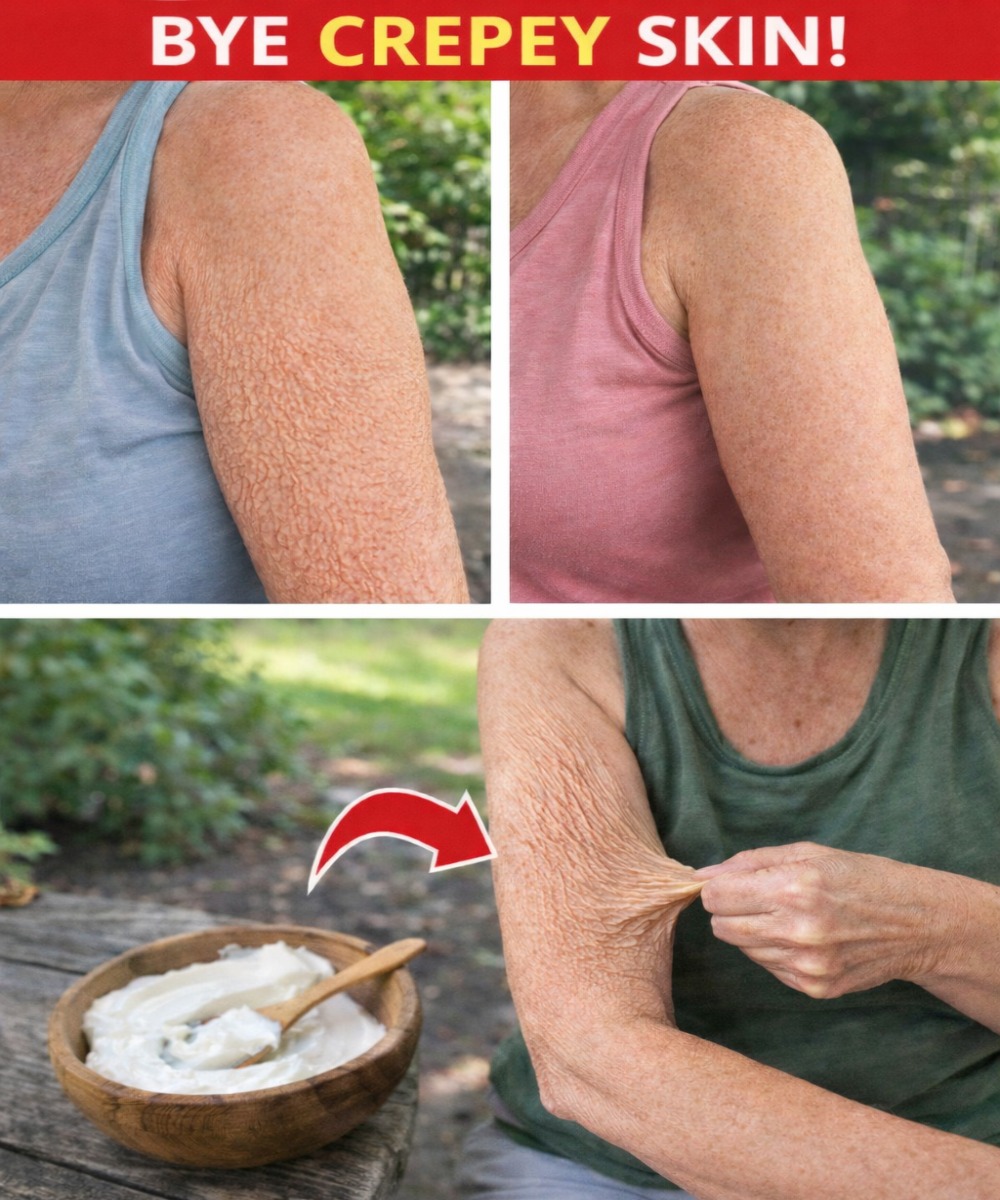
As we age, fine lines and wrinkles start to appear more prominently on our faces, causing once-smooth skin to look less vibrant and supple than it used to. This can be incredibly frustrating, especially when those pricey creams promise dramatic improvements but often fall short, sometimes leaving sensitive mature skin feeling even drier or irritated. The endless search for a gentle, effective solution leaves many seniors feeling drained and discouraged after yet another disappointment. But what if the answer was sitting in your kitchen all along, using two everyday natural oils that research suggests can deeply hydrate and nourish skin from within—keep reading because this straightforward 2-minute routine is what so many are quietly turning to for softer, more radiant-looking skin.
Why Natural Oils May Support Healthier-Looking Skin
Wrinkles often become more noticeable as skin naturally loses moisture and elasticity over the years. Dryness makes fine lines stand out even more, and daily environmental stressors like sun exposure or indoor heating only add to the challenge.
But here’s the good news. Proper hydration plays a key role in helping skin look plump and resilient. That’s exactly where certain natural oils step in. Studies, including a randomized double-blind trial, have shown that virgin coconut oil can work as effectively as mineral oil when it comes to improving hydration in dry skin conditions.
And that’s not all. When used thoughtfully, these oils can complement each other to create a lightweight blend that feels nourishing without any heavy or greasy feeling.
The Two Everyday Oils Backed by Promising Research
Let’s take a closer look at the two standout oils that many seniors are incorporating into their routines.
- Virgin coconut oil (cold-pressed, unrefined)
Packed with lauric acid and other beneficial fatty acids, it helps lock in moisture and support the skin’s natural barrier. Clinical research highlights its ability to boost hydration and surface lipids, leaving skin feeling smoother and more comfortable. - Cold-pressed castor oil (hexane-free)
Rich in ricinoleic acid, this oil delivers soothing, anti-inflammatory properties and penetrates deeply to nourish drier areas. Observational and lab studies point to its potential to support skin comfort and repair.
Used on their own, each oil brings solid benefits. But blended properly? They create a balanced mixture that absorbs beautifully and feels gentle on mature skin.
Here’s a quick comparison to see how they work together:
| Oil | Key Component | Main Benefit Supported by Research | Texture Feel |
|---|---|---|---|
| Virgin Coconut Oil | Lauric acid, fatty acids | Improves hydration and barrier function | Lighter, spreads easily |
| Castor Oil | Ricinoleic acid | Anti-inflammatory, deep nourishment | Thicker, more viscous |
This natural balance is what makes the combination so appealing for daily use on aging skin.
The Simple Blend: A 60/40 Ratio for Easy Application
Many people report great results with this straightforward homemade mix:
- 60% virgin coconut oil
- 40% castor oil
Here’s why this ratio works so well. The lighter coconut oil helps thin out the thicker castor oil, creating a blend that spreads smoothly and absorbs quickly without leaving behind that heavy, greasy residue so many creams are known for.
The result is a nourishing mixture that leaves skin feeling soft and supple almost immediately. And the best part? It takes just a minute to prepare and fits perfectly into even the busiest morning.
Your Easy 2-Minute Morning Routine for Glowing Skin
Ready to give it a try? This gentle method is designed to be simple, quick, and effective—ideal for seniors who want results without complicated steps. For best absorption, apply it right after cleansing on slightly damp skin.
- Prepare the blend: In a small clean glass bottle, combine 2 tablespoons total using the 60% coconut oil and 40% castor oil ratio. You can optionally add a few drops of vitamin E oil for extra antioxidant support and freshness.
- Dispense: Use just 3-4 drops (or a bit more if you’re also treating your neck and décolletage).
- Warm it up: Rub the drops between your palms for 10-15 seconds until the mixture melts and feels comfortable.
- Apply gently: Starting from your neck up to the jawline, then move to your cheeks and forehead. Use your ring finger to lightly tap around the delicate eye and mouth areas.
- Finish strong: Gently tap the entire face for another 20-30 seconds to help boost circulation.
That’s it—about two minutes total. Many notice an immediate feeling of softness and hydration. Pro tip: Always use upward motions to support your skin’s natural lift and feel more refreshed.
What You Might Notice Over 4 Weeks
Results vary from person to person depending on skin type and consistency, but hydration-focused studies and real-user experiences often point to a similar timeline:
- Week 1: Skin feels noticeably softer and more hydrated throughout the day.
- Week 2: Texture starts to feel smoother, especially around finer lines.
- Week 3: Tone looks more even with a rested, plumper appearance.
- Week 4: A natural glow and suppleness emerge, and lines often appear softer.
Deep, consistent moisture helps support skin’s resilience, which can make wrinkles less prominent over time. Research on virgin coconut oil, for example, has shown improvements in elasticity and hydration with regular use. Patience really does pay off here.
Choosing High-Quality Oils for Optimal Results
Not every bottle on the shelf will deliver the same benefits, so quality matters. Look for these simple signs when shopping:
For virgin coconut oil:
- It solidifies in cooler temperatures
- It has a mild, natural coconut scent
- The label clearly says “cold-pressed and unrefined”
For castor oil:
- It appears clear or pale yellow
- It is labeled “cold-pressed and hexane-free”
- The texture feels thick yet smooth, not watery
Pure, high-quality versions maximize the moisturizing potential without unnecessary additives. This small step makes a big difference in how well your skin responds.
Optional Boosts Once Your Skin Adjusts
After a couple of weeks, if your skin is loving the base blend, you might consider gentle additions:
- A few drops of rosehip oil for extra nourishment
- Sea buckthorn oil for soothing support
- Vitamin E for added antioxidant benefits
Introduce just one new oil at a time so you can easily see how your skin reacts. This way you keep the routine simple and safe.
Common Mistakes to Avoid for Best Experience
Even the simplest routines have a few pitfalls. Steer clear of these to get the most from your oil blend:
- Using too much product—a little truly goes a long way.
- Applying to completely dry skin (damp skin absorbs better).
- Rubbing vigorously instead of gently pressing or tapping.
- Choosing refined or heavily processed oils.
- Expecting instant dramatic changes—consistent hydration builds results gradually.
Avoiding these common errors helps ensure a comfortable experience and better long-term softness.
Frequently Asked Questions
Is this blend suitable for all skin types?
It’s often most helpful for dry or mature skin thanks to its deep moisturizing nature. If you have oily or acne-prone skin, start with a small patch test on your inner arm and use very sparingly, as heavier oils can sometimes feel occlusive.
How long should I commit to seeing hydration benefits?
Most people notice daily improvements within the first week, but aim for at least 4 weeks of consistent daily use. That’s when smoother texture and a more supple look often become more visible.
Can I apply this at night instead of in the morning?
Absolutely. Many seniors actually prefer using the blend in the evening for overnight nourishment. Either time of day works well—choose whichever fits your routine best.
Final Thoughts
Nourishing your skin with gentle, natural hydration can truly support a healthier, more radiant appearance as the years go by. This affordable 2-minute oil blend offers an easy way to add deep moisture into your daily life without complicated products or big promises. Many seniors are discovering how simple kitchen staples can make a real difference in how their skin feels and looks.
Always begin with a patch test on your inner arm. If any irritation occurs, stop use right away and speak with a healthcare professional.
This information is for educational purposes only and is not intended to diagnose, treat, or cure any condition. Individual results may vary. For personalized skincare advice, please consult a dermatologist.