The Hidden Power of Juniper Berries: Your Guide to Making and Using Wild Yeast at Home
The Hidden Power of Juniper Berries: Your Guide to Making and Using Wild Yeast at Home
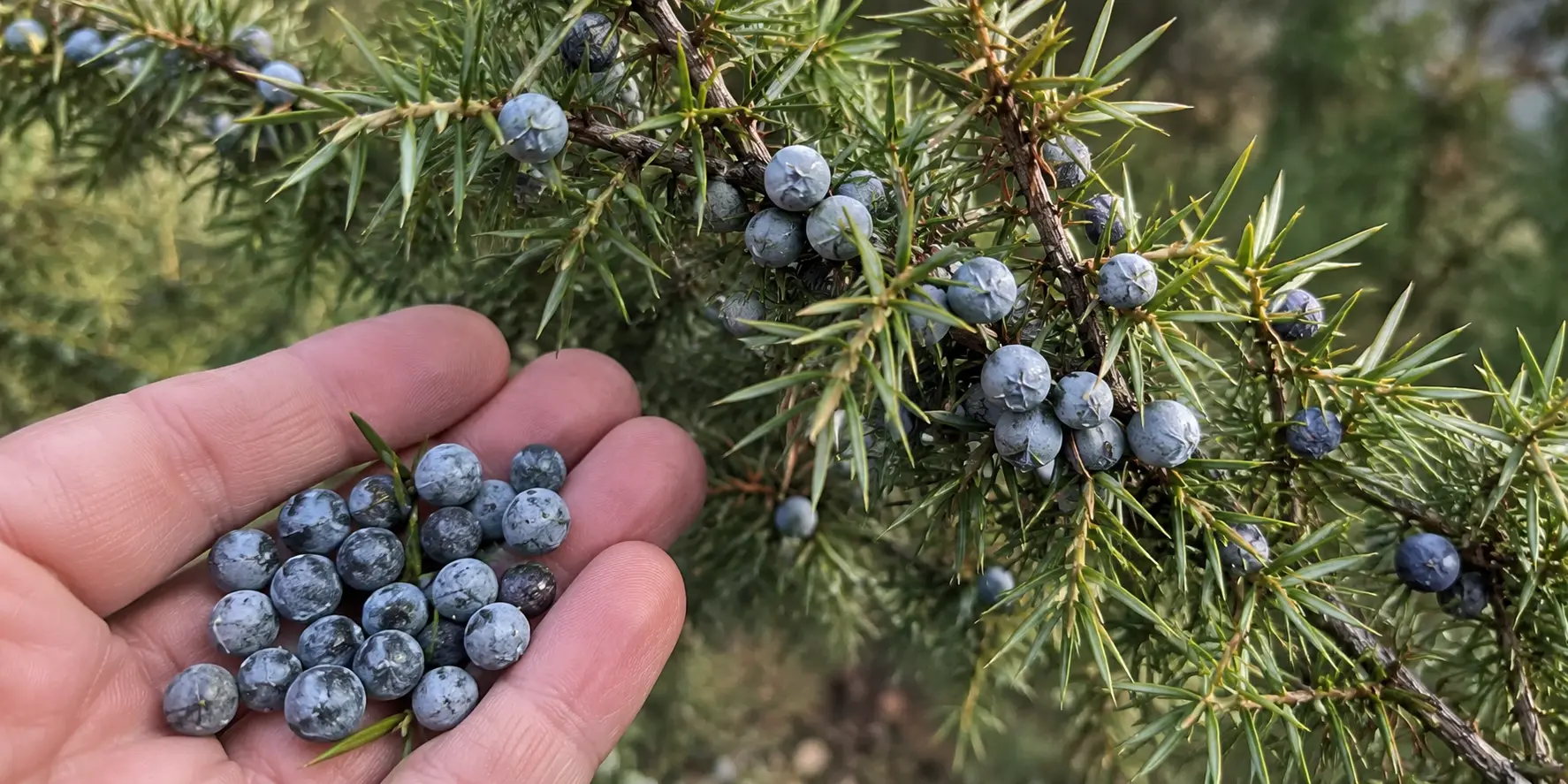
Juniper berries hold a natural secret. If you look closely at a fresh juniper berry, you will see a powdery white layer resting on its skin. This is not dust or dirt. It is actually live, wild yeast. Before commercial yeast was sold in stores, people relied on nature to bake and brew. For hundreds of years, bakers and cooks have used this natural wild yeast to bake thick loaves of bread, brew traditional drinks, and ferment raw foods.
Harvesting your own yeast is a powerful skill. It is completely natural, highly effective, and entirely free if you know where to look. This article will teach you how to capture this yeast safely and use it in your own home.
Important Disclaimer: This article is strictly for informational purposes only. We do not take responsibility for any adverse reactions, illnesses, or incorrect plant identification. You should always consult a professional herbalist, botanist, or medical expert before foraging or consuming any wild plants.
Safety First: How to Choose the Right Juniper
Not all juniper plants are safe to consume. Picking the wrong species can make you very sick. You must be certain of the plant before you harvest.
Safe Juniper Varieties:
- Common Juniper (Juniperus communis): This is the safest and most popular choice. It grows as an upright shrub or small tree. It features sharp needles grouped in clusters of three. Its bluish-purple berries are covered in a thick layer of white yeast.
- Eastern Red Cedar (Juniperus virginiana): Do not let the name fool you. This is a true juniper tree. It has flat, scale-like leaves and small, powdery-blue berries that are perfectly safe.
- Utah Juniper (Juniperus utahensis): This is a popular wild yeast source for bakers living in western mountain areas.
Toxic Juniper Varieties to Avoid:
Never pick berries from these plants. They contain harmful oils that cause severe stomach pain and kidney damage.
- Savin Juniper (Juniperus sabina): This is a low-growing ornamental bush. It is very commonly planted in suburban landscaping and front yards. All parts of this shrub are highly toxic.
- Cade Juniper (Juniperus oxycedrus): A Mediterranean variety that is far too harsh and toxic for the human body.
How to Verify Your Plant:
- Check the Location and Shape: Avoid any low, spreading bushes planted in parking lots or residential gardens, as these are often toxic Savin varieties. Stick to upright trees growing in wild forests.
- The Taste Test: If you are confident it is a safe species but want a final check, take a tiny nibble of one berry and spit it out. A safe juniper berry tastes like pine, resin, and has a slight sweetness. A toxic juniper berry will taste extremely bitter, harsh, and like chemicals.
The Health Benefits of Juniper Berries
Juniper berries do more than just provide yeast. The berries themselves are packed with powerful medicinal properties.
- Rich in Nutrients: These berries contain good amounts of Vitamin C. This helps build a strong immune system and keeps your blood vessels healthy.
- Powerful Antioxidants: They are full of essential oils and plant compounds. These act as antioxidants to protect your cells from daily damage.
- Anti-Inflammatory Action: The natural oils in the berries, especially monoterpenes, help lower inflammation in the body and the skin.
- Antibacterial Power: Scientific studies demonstrate that juniper oils can fight off dangerous bacteria and certain types of fungi.
- Kidney and Digestive Support: Historically, juniper has been used to help the body flush out excess fluids. It supports the urinary tract and helps the kidneys filter waste.
Homemade Uses for Juniper Yeast and Berries
Once you know how to find safe berries, your kitchen options are endless.
- Wild Sourdough Bread: The white yeast on the berries makes a strong, active starter for homemade sourdough bread. It gives the dough a wonderful lift and a deep, complex flavor.
- Fermented Vegetables: Adding a few berries to chopped cabbage acts as a natural starter for traditional sauerkraut.
- Traditional Beverages: Juniper yeast is used to brew “Smreka,” a traditional fermented drink made entirely from berries and water.
- Cooking Meats: The crushed berries offer a unique pine and citrus flavor that perfectly cuts the heavy taste of wild game and rich meats.
How to Make Your Own Juniper Yeast Starter
Capturing the wild yeast at home is a very simple process. You do not need any special equipment, just a few basics and some patience.
What You Will Need:
- 1 part fresh, safe juniper berries. (Do not wash them! Washing removes the white yeast you are trying to catch).
- 1 part plain cane sugar.
- 3 parts clean water. (Use filtered or bottled water. Tap water often contains chlorine, which will kill your wild yeast).
- A clean glass jar.
- A coffee filter or piece of cheesecloth and a rubber band.
Step-by-Step Instructions:
- Prepare the Liquid: Pour the sugar and the clean water into your glass jar. Stir the mixture well until all of the sugar has completely dissolved.
- Add the Berries: Drop your unwashed juniper berries straight into the sugar water.
- Cover the Jar: Never seal the jar with a tight lid. The yeast needs oxygen to live, and it will produce gas that could shatter a sealed glass jar. Cover the top with a coffee filter and lock it in place with a rubber band.
- Find a Good Spot: Place the jar in a dark, warm place in your kitchen.
- Stir Frequently: You must stir the liquid gently several times a day. Stirring moves the yeast into the sugar and prevents mold from growing on the surface of the water.
- Look for Activity: After a few days, up to a week, you will see tiny bubbles rising to the top. The liquid will develop a pleasant, lively, fermented smell. This means your wild yeast is awake and eating the sugar.
- Maintain Your Starter: If the bubbling slows down, the yeast is hungry. You can feed it a little more sugar to wake it back up. Once it is highly active, this liquid is ready to be mixed with flour to create a sourdough starter for bread. If the mixture ever smells rotten or bad, throw it away and start over.
Capturing wild yeast from juniper berries is a rewarding way to connect with traditional food preparation. By carefully identifying the correct plants and following basic fermentation steps, you can create delicious, healthy, and completely natural foods right in your own kitchen.