
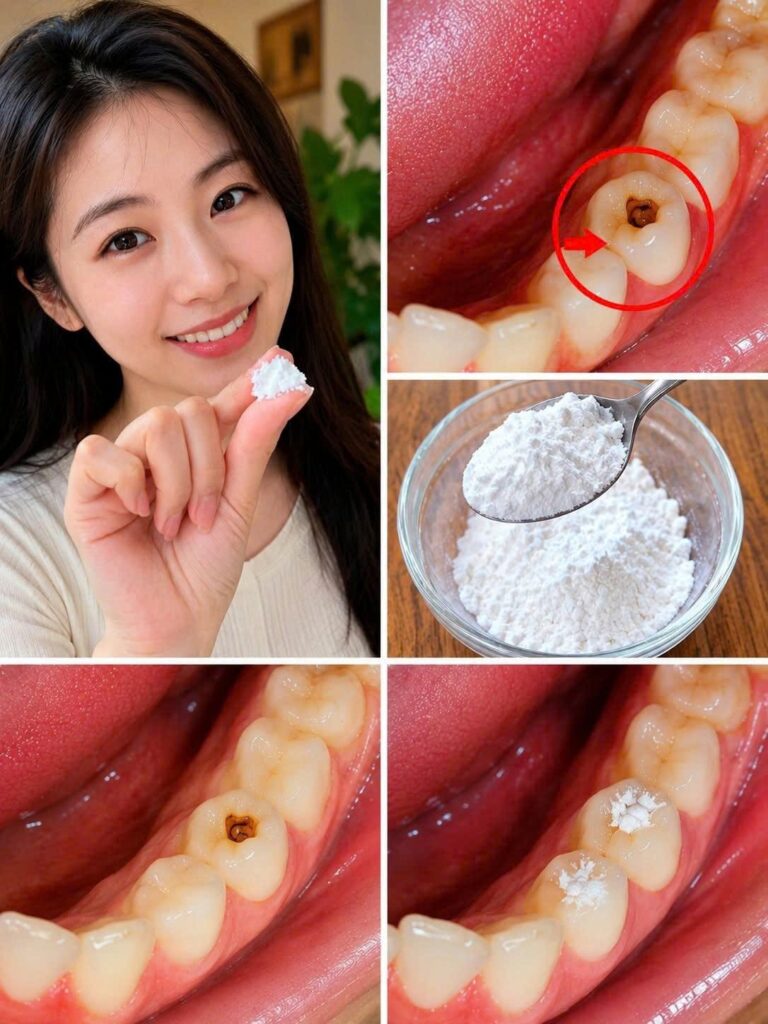
Are You Ignoring Tiny Tooth Signs That Could Cost You Later?
You’re chatting with friends, smiling like usual, then suddenly you notice someone glancing at your teeth… again. Later, in the mirror, you see a small dark spot or feel a rough edge but brush it off thinking it’s nothing serious. Days pass, the discomfort grows, and that “tiny issue” starts affecting how you eat, speak, and even smile. Here’s the part most people don’t realize… some simple daily habits may help slow things down early, and I’ll share the most overlooked one at the end.
Why Small Tooth Problems Get Worse Faster Than You Think
At first glance, a small spot on your tooth may not seem urgent. But here’s the truth: your teeth don’t repair themselves the way skin does.
When enamel weakens, bacteria start working quietly. You may not feel pain right away, which is why many people delay action.
But that’s not all…
Research in dental health shows that once enamel is compromised, the inner layers become more vulnerable. This is when sensitivity, discomfort, and visible damage start to appear.
Common early warning signs you shouldn’t ignore:
• Slight sensitivity to cold or sweet foods
• Tiny dark or white spots on teeth
• Rough or chipped feeling when touching with tongue
• Occasional mild discomfort when chewing
These signs are your body’s way of asking for attention, not something to ignore.
Can “Natural Fixes” Really Help? Let’s Be Honest
You may have seen videos suggesting baking soda, charcoal, or powders can “fix” tooth problems at home.
Let’s clear this up carefully.
Natural methods can support oral hygiene, but they do not rebuild damaged tooth structure.
That said…
They can help create a healthier environment in your mouth, which may slow further damage when used correctly.
What natural habits can support your teeth:
• Keeping your mouth clean and balanced
• Reducing harmful bacteria buildup
• Supporting saliva production (your mouth’s natural defense)
What they cannot do:
• Restore lost enamel
• Fill holes or deep damage
• Replace professional dental care
Think of these methods as maintenance, not repair.
Daily Habits That Make a Bigger Difference Than You Expect
Here’s where things get interesting…
Many older adults focus on occasional fixes but overlook daily routines that matter far more.
According to multiple oral health studies, consistent habits have the biggest long-term impact.
Simple habits you can start today:
1. Brush smarter, not harder
• Use a soft brush
• Spend at least 2 minutes
• Focus on the gumline where bacteria hide
2. Don’t skip flossing
This removes debris your toothbrush simply cannot reach.
3. Stay hydrated
Dry mouth increases bacterial growth. Drinking water helps maintain balance.
4. Watch your diet
Limit frequent sugary snacks. Instead, choose:
• Crunchy vegetables
• Dairy products
• Nuts
Popular Home Remedies: Helpful or Harmful?
Some home remedies are harmless when used occasionally, while others can actually wear down your teeth over time.
Quick comparison:
| Method | Potential Benefit | Risk if Overused |
|---|---|---|
| Baking soda | Mild cleaning effect | Can wear enamel |
| Charcoal | Surface stain removal | Abrasive to teeth |
| Salt water rinse | Helps soothe gums | Safe when used moderately |
| Oil pulling | May reduce bacteria | Limited scientific evidence |
So what’s the takeaway?
Moderation matters more than the method itself.
When You Should Not Delay Professional Care
 Let’s be direct here.
If you notice worsening symptoms, waiting can lead to more complicated issues.
Seek professional advice if you have:
• Persistent tooth pain
• Visible holes or dark spots growing larger
• Swelling or gum irritation
• Sensitivity that doesn’t go away
Here’s the reality…
Early attention is usually simpler, less stressful, and more affordable than delayed care.
The Most Overlooked Habit That Protects Your Teeth
Remember that “open loop” from the beginning?
Here it is.
The most underrated habit is what you do before bed.
At night, your saliva production drops, meaning bacteria can grow more easily.
A simple rule:
Do not eat after brushing your teeth at night.
This small habit:
• Reduces overnight bacterial activity
• Keeps your mouth cleaner longer
• Supports overall oral balance
It sounds simple, but it makes a powerful difference over time.
Action Plan: What You Can Start Today
Let’s make this practical and easy.
Step by step routine:
- Brush twice daily with proper technique
- Floss once per day
- Drink water regularly
- Limit frequent sugar intake
- Avoid late-night snacking after brushing
- Use home remedies cautiously, not excessively
- Schedule regular dental checkups
Consistency matters more than perfection.
Conclusion
Small dental issues rarely stay small if ignored. While natural habits can support oral health, they work best as prevention tools, not solutions for existing damage. The real power lies in daily consistency, early awareness, and knowing when to seek help. Take care of your teeth now, and they will take care of you later.
Frequently Asked Questions (FAQ)
1. Can a small cavity go away on its own?
Not exactly. Early changes can sometimes stabilize with good care, but damaged areas do not fully restore themselves.
2. Is brushing harder more effective?
No. Brushing too hard can actually wear down enamel and irritate gums. Gentle and consistent is better.
3. Are natural remedies safe to use daily?
Some are safe in moderation, but overuse especially abrasive ones can cause harm. Balance is key.
Disclaimer
This article is for informational purposes only and does not replace professional dental advice. Always consult a qualified dental professional for personalized guidance