
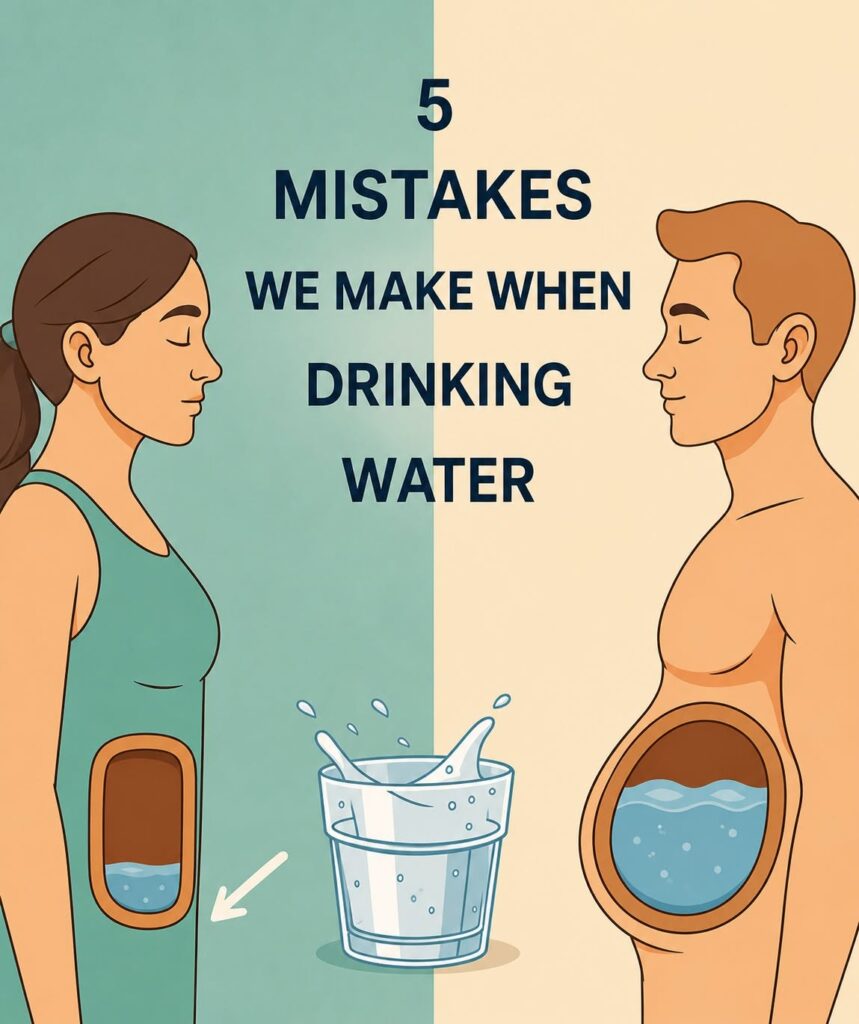
You try your best to drink enough water each day, yet you still notice that mid-afternoon energy dip, random headaches, or skin that never quite looks as fresh as you’d like. The frustrating part is that you’re technically “drinking water,” so it feels like you should be fine — but something is clearly off. These quiet daily habits often sabotage hydration more than people realize, leaving the body running on less than optimal fluid balance and affecting everything from focus to mood. The good news is that the fixes are surprisingly simple once you know exactly what to adjust. By the end of this post, you’ll have a clear, practical framework you can start using tomorrow to feel noticeably more steady and energized.
Why Proper Hydration Habits Matter for Daily Wellness
Water supports nearly every function in the body — from regulating temperature and cushioning joints to helping the brain stay sharp and waste move out efficiently. When fluid levels dip even slightly, many people experience subtle but draining effects: reduced concentration, lower mood, and that heavy, sluggish feeling that no amount of coffee seems to fix.
Research and guidelines from major health organizations show that mild dehydration can affect cognitive performance and physical comfort long before obvious thirst appears. The encouraging part is that most people don’t need extreme changes — they just need to stop the common habits that quietly work against steady hydration.
The 5 Common Mistakes That Hinder Better Hydration
Most of us pick up these patterns without realizing it. Here’s what tends to go wrong and why it matters.
Mistake 1: Gulping Large Amounts of Water at Once
Many people save their water intake for big glasses a few times a day and then chug to “catch up.” The body often responds to a sudden large volume by flushing much of it out through urine rather than absorbing and using it steadily. This can leave you running to the bathroom frequently while still feeling less than fully hydrated a couple of hours later.
The real issue is that rapid intake doesn’t give your system time to distribute fluid where it’s needed most. Studies on fluid balance suggest that spreading intake throughout the day supports more consistent hydration levels than infrequent large boluses.
Better approach: Sip steadily. Keep a bottle nearby and take small, regular swallows instead of big gulps. Your body absorbs and retains fluid more effectively this way.
Mistake 2: Waiting Until You Feel Thirsty Before Drinking
Thirst is a useful signal, but it’s actually a late one. By the time you notice it, your body has already begun shifting fluid balance and performance can dip — especially during busy days, in warmer environments, or as we get older when thirst sensitivity naturally decreases.
Waiting for thirst often leads to playing catch-up rather than staying ahead. Health experts note that proactive sipping supports steadier energy and mental clarity compared with reacting only when the body sends the “I’m low” alert.
Better approach: Build in regular prompts. Drink a little every hour or pair it with existing habits like checking email or finishing a meeting. You’ll likely notice fewer energy crashes once this becomes automatic.
Mistake 3: Relying on Sugary, Caffeinated, or “Hydrating” Beverages Instead of Plain Water
Coffee, tea, soda, and even some sports drinks provide fluid, but many come with added sugars or caffeine that can increase urine output in higher amounts. The net hydration benefit ends up lower than plain water for the same volume consumed. Over time this pattern can leave people feeling they’re “drinking plenty” while still experiencing the downstream effects of suboptimal fluid balance.
The CDC and other public health sources consistently recommend choosing water as the primary daily fluid because it delivers hydration without the extra load that sugary or highly caffeinated options carry.
Better approach: Make plain or lightly flavored water your default. If you enjoy caffeine, keep it moderate and still prioritize actual water alongside it. You’ll often feel the difference in steady energy within a few days.
Mistake 4: Skipping Water First Thing in the Morning
Overnight, the body loses fluid through breathing and normal metabolic processes — often several hundred milliliters by morning. Starting the day without replacing that loss means many people begin already playing catch-up, which can contribute to morning brain fog or low motivation.
A simple glass of water upon waking helps restore balance before the demands of the day begin. Many people report clearer thinking and better digestion when they make this one non-negotiable habit.
Better approach: Keep a glass or bottle by your bed or in the kitchen. Drink 8–16 ounces before coffee or breakfast. It takes less than a minute and sets a strong foundation.
Mistake 5: Ignoring Simple Body Signals Like Urine Color
Guessing at hydration needs leads to inconsistency. Dark yellow or amber urine is one of the easiest visible clues that fluid intake needs to increase. Clear or very pale straw-colored urine generally indicates good balance for most people.
Relying only on “I think I drank enough” removes this helpful feedback loop and makes it harder to adjust on active days, hot weather, or when routines change.
Better approach: Use urine color as a quick daily check. Aim for pale yellow. Adjust upward on days you exercise, spend time in heat, or notice darker output. It’s a simple, no-cost tool that works remarkably well.
Quick Comparison: Common Mistakes vs. Better Daily Habits
| Common Mistake | Better Habit | Why It Helps |
|---|---|---|
| Gulping big glasses quickly | Sip steadily throughout the day | Better absorption and fewer bathroom trips |
| Waiting for thirst | Drink on a loose schedule or with routines | Prevents energy and focus dips |
| Sugary or caffeinated drinks | Prioritize plain or fruit-infused water | More efficient fluid retention |
| No morning water | Drink 8–16 oz upon waking | Replaces overnight losses early |
| Ignoring urine color | Check color as a daily guide | Easy, real-time adjustment |
Actionable Tips: How to Build Better Hydration Habits Step by Step
Small, consistent actions beat big overhauls. Here’s a practical way to put everything together:
- Start tomorrow morning — Place a full glass or bottle by your bed or coffee maker tonight. Drink it before anything else.
- Choose your container — Get a reusable bottle you actually like (marked with time goals if helpful). Keep it visible on your desk or in your bag.
- Flavor it naturally — Add lemon, lime, cucumber, or a few berries if plain water feels boring. This often increases how much you naturally reach for.
- Link it to existing routines — Drink a glass with each meal, after brushing your teeth, or every time you sit down at your computer. Habits stick faster when attached to what you already do.
- Eat water-rich foods — Include fruits and vegetables like watermelon, strawberries, cucumber, and oranges. They contribute meaningful fluid along with nutrients.
- Check and adjust — Glance at urine color once or twice a day. On hotter or more active days, intentionally add an extra glass or two.
- Create an evening wind-down — Sip a glass in the early evening if needed, but ease off close to bedtime if nighttime bathroom trips disturb sleep.
Most people see noticeable improvements in steady energy and comfort within a week of making two or three of these changes.
A Simple Daily Framework That Ties It All Together
Here’s one easy structure you can adapt:
- Morning: 8–16 oz right after waking
- Mid-morning & afternoon: Sip steadily from your bottle (aim for half your daily target by mid-afternoon)
- With meals: A glass alongside food
- Evening: Top up as needed, then slow down before bed
- Daily check: Urine color + how you feel energy-wise
Total target for most adults falls in the range of roughly 11–15 cups of total fluids per day from all sources (including food), according to Mayo Clinic guidance. Your exact needs vary with activity, climate, and individual factors — listen to your body and adjust.
Conclusion
The biggest hydration wins usually come from stopping the small habits that work against you rather than forcing huge new routines. By switching from gulping to sipping, drinking proactively instead of waiting for thirst, prioritizing plain water, starting the day with fluid, and using simple signals like urine color, most people feel steadier energy and better overall comfort without much extra effort.
Pick just one or two changes from the list above and try them consistently for a week. You’ll likely notice the difference — and once you do, the other habits tend to fall into place naturally.
Frequently Asked Questions About Hydration
How much water should I actually drink every day?
Most healthy adults need about 11.5 cups (2.7 liters) for women and 15.5 cups (3.7 liters) for men of total fluids daily, including water from beverages and food. Needs increase with exercise, hot weather, or certain health conditions. The “8 glasses” rule is a reasonable starting point but isn’t one-size-fits-all.
Is it okay to drink water with meals?
Yes. Major health authorities, including the Mayo Clinic, state that drinking water during or after meals does not harm digestion or dilute stomach acid and enzymes in any meaningful way for healthy people. It can actually support the digestive process.
Does the temperature of water matter for hydration?
Not dramatically. Both cold and room-temperature water hydrate effectively. Cold water may feel more refreshing and encourage some people to drink more, while others prefer room temperature. Choose what you enjoy and will actually drink consistently.
Disclaimer: This article is for general informational and educational purposes only. It is not intended as medical advice, diagnosis, or treatment. Individual hydration needs vary based on age, activity level, health conditions, and other factors. Always consult a qualified healthcare professional for personalized recommendations, especially if you have any medical conditions or concerns about your fluid intake.