
# 9 Symptoms of Vitamin B12 Deficiency You Shouldn’t Ignore
## Introduction
Vitamin B12, also known as **cobalamin**, is an essential vitamin that helps your body produce red blood cells, maintain healthy nerves, and make DNA. Without enough vitamin B12, your body cannot function properly, and a deficiency can lead to a wide range of health problems.
Vitamin B12 deficiency can develop gradually, so the symptoms are often overlooked at first. Recognizing the warning signs early can help prevent serious complications.
## 9 Common Symptoms of Vitamin B12 Deficiency
### 1. Fatigue and Weakness
One of the earliest signs is feeling unusually tired or lacking energy. Without enough vitamin B12, your body produces fewer healthy red blood cells, reducing the amount of oxygen delivered to your tissues.
### 2. Anemia
Vitamin B12 deficiency can cause **megaloblastic anemia**, a condition in which red blood cells become large and abnormal.
Symptoms may include:
* Pale skin
* Shortness of breath
* Dizziness
* Weakness
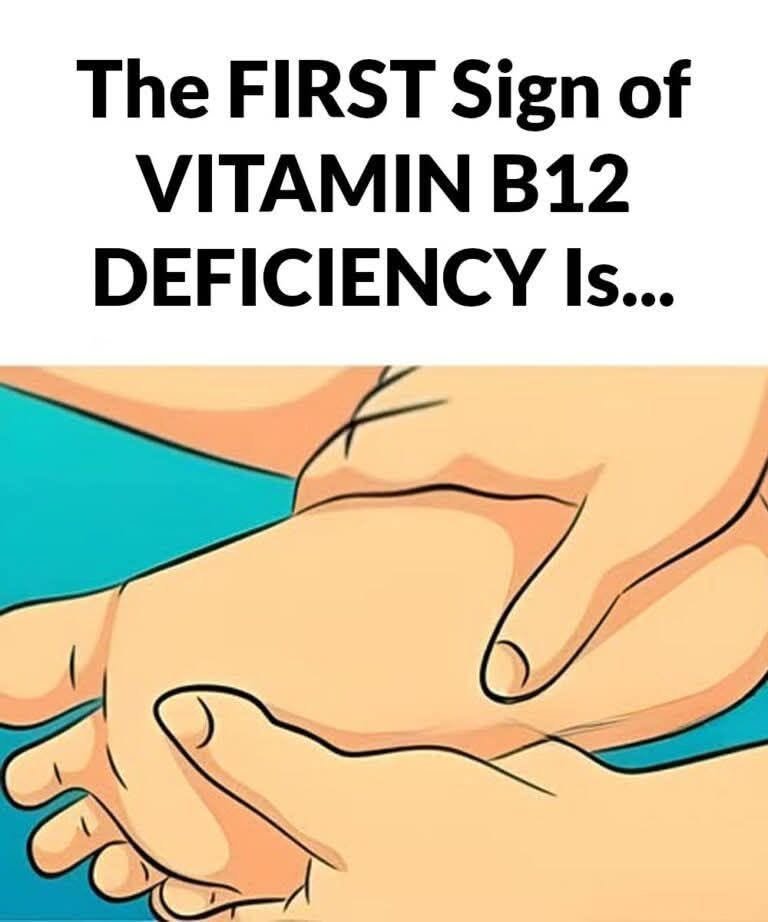
### 3. Numbness or Tingling
Low vitamin B12 can damage nerves, leading to:
* Tingling in the hands or feet
* Numbness
* Burning sensations
* Difficulty with balance
These symptoms should be evaluated by a healthcare professional, especially if they persist.
### 4. Memory and Concentration Problems
Some people experience:
* Poor memory
* Difficulty concentrating
* Confusion
* Brain fog
Severe deficiency may contribute to cognitive decline, particularly in older adults.
### 5. Mood Changes
Vitamin B12 plays a role in brain function.
A deficiency may be associated with:
* Depression
* Irritability
* Anxiety
* Mood changes
These symptoms can have many causes, so proper medical evaluation is important.
### 6. Headaches
Frequent headaches may occur in some people with vitamin B12 deficiency, although headaches can result from many different conditions.
### 7. Vision Problems
In severe cases, vitamin B12 deficiency may affect the optic nerve, leading to:
* Blurred vision
* Reduced vision
* Difficulty seeing clearly
Prompt medical attention is important if vision changes occur.
### 8. Digestive Problems
Some people may experience:
* Loss of appetite
* Nausea
* Constipation
* Diarrhea
* Weight loss
### 9. Difficulty Walking or Maintaining Balance
Nerve damage caused by long-term vitamin B12 deficiency can affect coordination and balance, making walking more difficult.
# What Causes Vitamin B12 Deficiency?
Several factors can contribute to vitamin B12 deficiency, including:
* Eating little or no animal-based foods without adequate supplementation
* Pernicious anemia
* Stomach inflammation (gastritis)
* Crohn’s disease or celiac disease
* Weight-loss surgery, such as gastric bypass
* Certain medications, including long-term use of metformin or acid-reducing medications
* Heavy alcohol use
* Older age, when absorption naturally decreases
# Foods Rich in Vitamin B12
Good dietary sources include:
### 1. Beef or Lamb Liver
One of the richest natural sources of vitamin B12.
### 2. Shellfish
Clams, oysters, and mussels contain very high amounts of vitamin B12.
### 3. Salmon
Provides vitamin B12 along with heart-healthy omega-3 fatty acids.
### 4. Tuna
A nutritious source of both protein and vitamin B12.
### 5. Lean Beef
Contains vitamin B12, iron, and protein.
### 6. Milk
Milk and other dairy products provide vitamin B12 and calcium.
### 7. Yogurt
Plain yogurt offers vitamin B12 while also supplying probiotics.
### 8. Eggs
Eggs contain moderate amounts of vitamin B12, mainly in the yolk.
### 9. Fortified Breakfast Cereals
Many breakfast cereals and plant-based milk alternatives are fortified with vitamin B12, making them a good option for vegetarians and vegans.
—# Who Is at Higher Risk?
You may have a higher risk of vitamin B12 deficiency if you:
* Follow a vegan diet without supplementation
* Are over age 60
* Have digestive disorders
* Have had stomach or intestinal surgery
* Take certain medications long term
* Have pernicious anemia
# When Should You See a Doctor?
Consult a healthcare provider if you have persistent symptoms such as:
* Ongoing fatigue
* Numbness or tingling
* Difficulty walking
* Memory problems
* Pale skin
* Unexplained weakness
A simple blood test can often determine whether you have a vitamin B12 deficiency.
# Final Thoughts
Vitamin B12 is essential for healthy nerves, red blood cell production, and normal brain function. Because deficiency can develop slowly, it’s important to recognize the symptoms early and seek medical advice if needed.
Eating vitamin B12-rich foods—or taking supplements when recommended by your healthcare provider—can help maintain healthy levels and prevent complications.
**Medical Disclaimer:** This article is for educational purposes only and is not a substitute for professional medical advice, diagnosis, or treatment. Always consult a qualified healthcare provider if you think you may have a vitamin B12 deficiency or before starting any supplements.