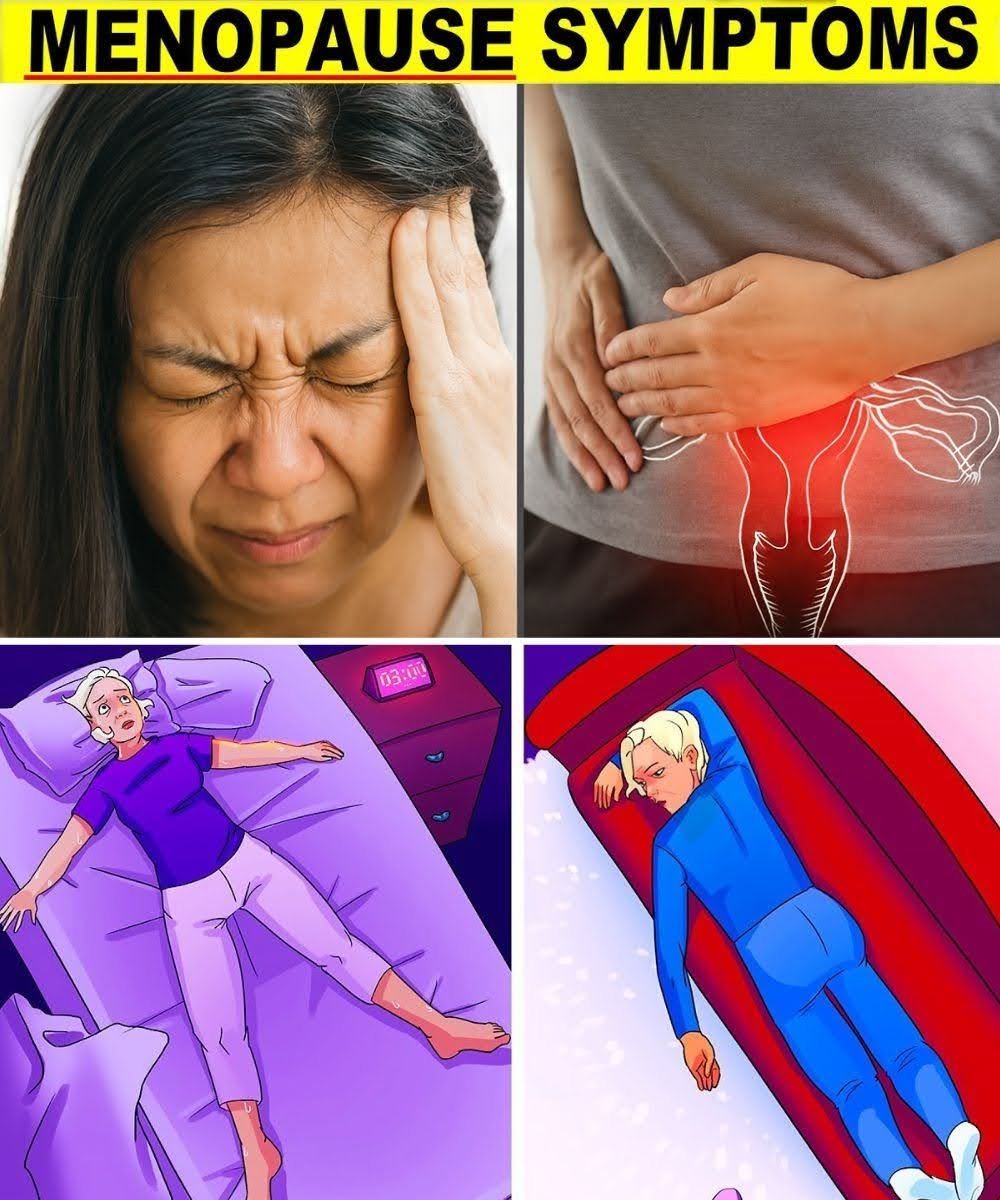
9 Signs You’re Actually Going Through Menopause! Symptoms Every Woman Should Know
9 Signs You’re Actually Going Through Menopause! Symptoms Every Woman Should Know
Have you been feeling unusually tired, experiencing sudden mood changes or waking up in the middle of the night covered in sweat? Perhaps your menstrual cycle has become unpredictable, or you have noticed changes in your body that you cannot quite explain.
These changes may not simply be signs of ageing or everyday stress. They could be associated with menopause.
Menopause is a natural stage in a woman’s life that marks the end of her menstrual periods and reproductive years. It usually occurs between the ages of 45 and 55, although the timing varies from woman to woman.
The transition towards menopause, known as perimenopause, can begin several years earlier. During this time, hormone levels fluctuate, particularly oestrogen, causing a variety of physical and emotional changes.
Some women experience only mild symptoms, while others find that these changes affect their sleep, relationships, work and everyday activities.
So, how can you tell whether you might be going through menopause?
Here are nine common signs you should know about.
1. Irregular Menstrual Periods
One of the earliest and most noticeable signs of perimenopause is a change in your menstrual cycle.
You may notice that your periods arrive earlier or later than usual. Sometimes, you might skip a month or experience changes in how heavy or light your bleeding becomes.
These changes happen because hormone levels fluctuate as ovarian function gradually declines.
Some women experience shorter menstrual cycles, while others have longer gaps between periods.
It is important to remember that irregular periods can also result from pregnancy, thyroid problems, stress and other medical conditions.
If bleeding becomes unusually heavy, occurs between periods or happens after menopause, seek medical advice.
2. Sudden Hot Flashes and Night Sweats
Hot flashes are among the most recognised symptoms of menopause.
You may suddenly experience an intense feeling of warmth spreading across your face, neck and chest. Your skin may become red, your heart may beat faster and you may begin sweating unexpectedly.
These episodes can last from a few seconds to several minutes.
Night sweats are similar episodes that happen while sleeping. Some women wake up with damp clothing or soaked bedsheets.
Hot flashes are associated with hormonal changes that affect the brain’s temperature-regulation system.
Helpful steps include wearing lightweight clothing, keeping your bedroom cool, using a fan and identifying possible triggers such as spicy foods, caffeine and alcohol.
3. Difficulty Sleeping or Frequent Night-Time Waking
Are you suddenly finding it difficult to fall asleep or stay asleep throughout the night?
Sleep disturbances are common during the menopausal transition.
Some women wake up repeatedly because of night sweats, while others experience insomnia without obvious sweating.
Hormonal changes may contribute to these sleep difficulties. Mood changes, stress and other health conditions can also play a role.
Poor sleep can leave you feeling exhausted, irritable and unable to concentrate during the day.
Maintaining a regular bedtime, reducing evening caffeine and keeping your sleeping environment comfortable may help improve sleep quality.
If sleep problems persist, discuss them with a healthcare professional.
4. Mood Swings, Anxiety and Increased Irritability
Menopause does not only affect the body. It can also influence emotional wellbeing.
Some women notice that they become more irritable, anxious or emotionally sensitive than usual.
You might feel upset over minor situations, experience sudden mood changes or find it harder to manage everyday stress.
Fluctuating hormone levels, disrupted sleep and the emotional changes associated with this stage of life can all contribute.
Some women also experience symptoms of depression during perimenopause.
If sadness, anxiety or loss of interest in everyday activities becomes persistent or affects your quality of life, seek professional support. You do not have to manage these feelings alone.
5. Vaginal Dryness and Discomfort During Intimacy
As oestrogen levels decline, the tissues of the vagina and urinary tract can become thinner, drier and less elastic.
This can cause:
- Vaginal dryness.
- Itching or irritation.
- Discomfort during sexual activity.
- Burning sensations.
- Increased urinary urgency.
These symptoms are part of what is known as genitourinary syndrome of menopause (GSM).
Unlike some menopausal symptoms that improve over time, vaginal and urinary symptoms may persist or become more noticeable without treatment.
Vaginal moisturisers and lubricants may help. Prescription vaginal oestrogen is another treatment option for suitable women.
There is no need to feel embarrassed about discussing these symptoms with your doctor.
6. Changes in Sexual Desire
Some women notice a reduction in their interest in sexual activity during perimenopause and menopause.
This can happen for several reasons, including hormonal changes, vaginal dryness, discomfort during intimacy, sleep disturbances and changes in mood.
However, not every woman experiences a decrease in sexual desire. Some women notice no change, while others report improvements in their sexual wellbeing.
If changes in libido are causing distress, a healthcare professional can help identify possible causes and discuss appropriate treatment options.
7. Brain Fog and Difficulty Concentrating
Have you recently started forgetting small things, struggling to concentrate or finding it difficult to remember certain words?
Some women experience what is commonly described as menopausal brain fog.
You might notice:
- Difficulty remembering names.
- Trouble concentrating on tasks.
- Forgetting why you entered a room.
- Feeling mentally slower than usual.
- Difficulty managing several tasks at once.
Hormonal changes and poor sleep may contribute to these experiences.
For many women, these cognitive symptoms improve after the menopausal transition.
However, persistent or worsening memory problems should not automatically be blamed on menopause. Other medical conditions may need to be investigated.
8. Joint Pain and Muscle Aches
Unexpected aches and stiffness can also occur around the time of menopause.
Some women experience discomfort in their knees, hips, shoulders, fingers and other joints.
Oestrogen plays several roles in the body, including influencing bone, muscle and joint health. Changes in hormone levels may contribute to musculoskeletal symptoms.
However, joint pain has many possible causes, including osteoarthritis, inflammatory conditions, injuries and reduced physical activity.
Gentle exercise, strength training, maintaining a healthy weight and adequate nutrition can help support joint and muscle health.
Persistent swelling, redness or severe joint pain should be assessed by a healthcare professional.
9. Changes in Body Weight and Fat Distribution
Another change some women notice during menopause is a shift in body composition.
You may find that your waistline gradually increases, even if your eating habits have not changed significantly.
During midlife, women may experience changes in fat distribution, with more fat accumulating around the abdomen.
Ageing, reduced muscle mass, sleep changes, physical activity and hormonal fluctuations can all contribute.
This does not mean weight gain is inevitable.
Regular physical activity, resistance training, adequate protein intake and a balanced diet can help maintain muscle mass and support a healthy body composition.
What Is the Difference Between Perimenopause and Menopause?
Although these terms are often used interchangeably, they describe different stages.
Perimenopause: This is the transition period leading up to menopause. Hormone levels fluctuate, periods become irregular and symptoms may begin. It can last several years.
Menopause: Menopause is officially reached when a woman has gone 12 consecutive months without a menstrual period, provided there is no other medical explanation.
Postmenopause: This refers to the years following menopause. Some symptoms may improve, while others, particularly vaginal and urinary symptoms, may continue.
At What Age Does Menopause Usually Begin?
Most women experience natural menopause between the ages of 45 and 55.
The average age is approximately 51 in many populations.
However, menopause can happen earlier or later.
- Early menopause occurs between ages 40 and 45.
- Premature menopause occurs before age 40.
- Menopause before age 40 requires medical assessment because it may have important long-term health implications.
Women experiencing menopause symptoms before age 45 should discuss them with a healthcare professional.
How Can You Manage Menopause Symptoms Naturally?
Although menopause cannot be prevented, there are several ways to manage symptoms and support overall health.
1. Eat a Balanced Diet
Include vegetables, fruits, whole grains, lean proteins, dairy or suitable calcium-fortified alternatives and healthy fats.
2. Exercise Regularly
Walking, swimming, cycling and resistance training can help support cardiovascular health, muscle strength, bone health and mood.
3. Prioritise Sleep
Maintain a consistent sleep schedule, keep your bedroom cool and reduce caffeine consumption later in the day.
4. Manage Stress
Relaxation exercises, meditation, breathing techniques and enjoyable activities may help improve emotional wellbeing.
5. Support Bone Health
Calcium, vitamin D and regular weight-bearing exercise are important for maintaining bone strength after menopause.
6. Avoid Smoking
Smoking is associated with earlier menopause and increased risks to cardiovascular and bone health.
7. Discuss Treatment Options
Menopausal hormone therapy (MHT), previously commonly called hormone replacement therapy (HRT), can be an effective treatment for troublesome symptoms in suitable women.
Non-hormonal treatments are also available. The best option depends on your symptoms, medical history and individual risks.
When Should You Speak to a Doctor?
Although menopause is a natural process, not every new symptom should automatically be attributed to hormonal changes.
Seek medical advice if you experience:
- Very heavy or prolonged menstrual bleeding.
- Bleeding after 12 months without a period.
- Severe or persistent mood changes.
- Unexplained weight loss.
- Persistent pelvic pain.
- Unusual breast changes.
- Severe or worsening memory problems.
A healthcare professional can assess your symptoms and determine whether they are related to menopause or another medical condition.
Final Thoughts
Menopause is a natural stage of life, but that does not mean every woman experiences it in the same way.
From irregular periods and hot flashes to sleep disturbances, mood changes, vaginal dryness and joint discomfort, hormonal changes can affect many aspects of everyday life.
The important thing is to recognise what is happening, understand your body and seek help when symptoms become difficult to manage.
You do not have to suffer in silence or assume that uncomfortable symptoms are simply something you must accept as you get older.
With the right information, healthy habits and appropriate medical support, it is possible to navigate menopause while maintaining a healthy and fulfilling lifestyle.
Medical Disclaimer: This article is intended for educational purposes only and should not replace professional medical advice, diagnosis or treatment. Consult a qualified healthcare professional about persistent symptoms or concerns about menopause.