9 Potential Uses of Baking Soda: What Science Really Says About Its Health Benefits and Risks
9 Potential Uses of Baking Soda: What Science Really Says About Its Health Benefits and Risks

What Is Baking Soda?
Baking soda is the common name for sodium bicarbonate (NaHCO₃), an alkaline compound.
Because it can neutralize acids, sodium bicarbonate has several established uses in medicine. For example, it can be used as an ingredient in some antacid products to temporarily relieve occasional heartburn and acid indigestion.
In hospitals, sodium bicarbonate can also be administered for specific medical conditions under professional supervision.
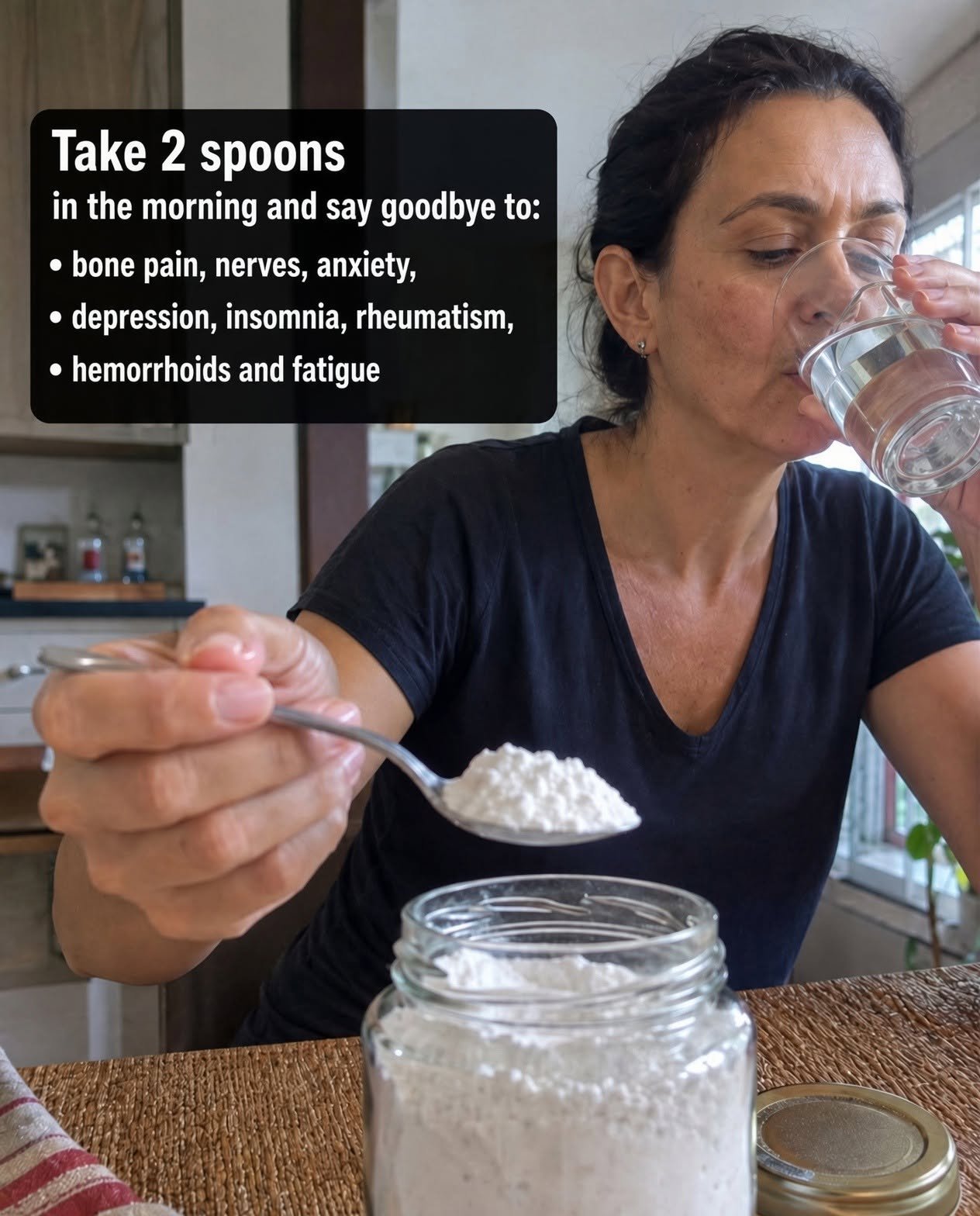
However, these legitimate uses should not be confused with the idea that drinking baking soda regularly can improve every aspect of your health.
9 Things You Should Know About Baking Soda
1. It May Provide Temporary Relief From Heartburn
One of the best-known uses of sodium bicarbonate is its ability to neutralize stomach acid.
This can provide temporary relief from occasional heartburn or acid indigestion.
However, frequent heartburn may indicate gastroesophageal reflux disease or another medical condition. Regularly treating symptoms with baking soda without finding the underlying cause is not recommended.
2. It Can Help Neutralize Acidity
Because sodium bicarbonate is alkaline, it reacts chemically with acids.
This explains why it is used in some antacid formulations.
But there is an important distinction:
Baking soda does not permanently change your body’s overall pH.
Your blood pH is tightly regulated by the lungs and kidneys. Trying to “alkalize the body” by drinking large amounts of baking soda can be dangerous.
3. It Has Specific Medical Uses Under Supervision
Sodium bicarbonate is sometimes used medically to correct certain forms of metabolic acidosis.
In these situations, doctors determine whether bicarbonate is appropriate and carefully monitor the patient’s condition.
This is very different from taking baking soda at home as a general wellness supplement.
4. It Does Not Cure Diabetes
Claims that baking soda can naturally lower blood sugar or reverse diabetes are not supported by sufficient clinical evidence.
Diabetes is a complex metabolic condition that requires appropriate management.
Depending on the type and severity, treatment may include:
- Healthy nutrition
- Physical activity
- Blood-glucose monitoring
- Oral medications
- Insulin
- Other treatments prescribed by a healthcare professional
Baking soda should never replace diabetes medication or medical care.
5. It Is Not a Proven Treatment for Anxiety
You may see claims that baking soda can balance body pH and therefore reduce anxiety.
There is currently no good evidence that drinking baking soda is an effective treatment for anxiety disorders.
Persistent anxiety can have many causes and may benefit from professional assessment, psychological therapy, lifestyle changes, or medication when appropriate.
6. It Is Not a Sleep Remedy
There is also no reliable evidence that drinking baking soda before bed can treat insomnia.
If you regularly struggle to sleep, more established approaches include maintaining a consistent sleep schedule, reducing stimulating activities before bedtime, and addressing underlying medical or psychological causes.
Persistent insomnia deserves proper evaluation rather than relying on an unproven home remedy.
7. Baking Soda Does Not Treat Depression
Depression is a serious medical condition, and there is no established evidence that consuming sodium bicarbonate can treat depression.
Feeling persistently sad, hopeless, exhausted, or disconnected from daily life should not be attributed simply to an “acidic body.”
Professional support is much more appropriate than attempting to correct body pH with baking soda.
8. It Is Not a Proven Treatment for Arthritis or Chronic Joint Pain
Some online articles claim that baking soda can neutralize acids responsible for arthritis and joint pain.
There is not enough evidence to recommend drinking baking soda as a treatment for arthritis.
Joint pain can result from osteoarthritis, rheumatoid arthritis, injuries, gout, infections, and many other conditions. The correct treatment depends on the underlying cause.
9. It May Have Limited External Uses
Unlike drinking baking soda, certain external uses may provide temporary comfort in specific situations.
For example, baking soda may be used in some home-care approaches for minor skin irritation or itching.
However, it should not be applied to serious wounds or used as a substitute for medical treatment of persistent skin conditions.
Can Baking Soda Give You More Energy?
One of the most common claims online is that baking soda can “boost metabolism” and eliminate chronic fatigue.
There is no good evidence that drinking baking soda is an appropriate treatment for chronic fatigue.
Persistent tiredness can be associated with:
- Poor sleep
- Iron deficiency
- Thyroid problems
- Diabetes
- Medication side effects
- Stress
- Depression
- Other medical conditions
If fatigue continues for weeks or interferes with normal activities, it is better to identify the underlying cause rather than attempting to treat it with baking soda.
What About Baking Soda and Exercise?
This is an interesting exception.
Sodium bicarbonate has been studied in sports nutrition, particularly because it can influence acid-base balance during certain types of intense exercise.
Some research suggests that specific, professionally planned doses may improve performance during short, high-intensity activities.
But this does not mean that everyone should drink baking soda every morning.
The doses studied in sports research can be substantial and may cause gastrointestinal problems. Athletes considering sodium bicarbonate supplementation should discuss appropriate use with a qualified sports nutrition professional.
⚠️ Is Drinking Baking Soda Safe?
This is the most important part of the discussion.
Natural does not automatically mean harmless.
Baking soda contains a significant amount of sodium. Excessive consumption can cause:
- Nausea
- Vomiting
- Abdominal discomfort
- Diarrhea
- Excess sodium levels
- Fluid retention
- Electrolyte disturbances
- Changes in blood chemistry
In severe cases, excessive sodium bicarbonate consumption can cause serious or potentially life-threatening complications.
Who Should Be Especially Careful?
People with certain health conditions should avoid using baking soda medicinally without professional guidance.
This includes people with:
- High blood pressure
- Heart disease
- Kidney disease
- Liver disease
- Conditions requiring sodium restriction
- Electrolyte abnormalities
People taking prescription medications should also ask a healthcare professional before using sodium bicarbonate regularly.
❌ Don’t Follow Viral “Baking Soda Detox” Recipes
One of the most dangerous trends online is the recommendation to consume large amounts of baking soda in water to “detox” the body.
There is no need to detox your body with baking soda.
Your liver and kidneys already perform essential roles in processing and eliminating waste products.
More baking soda does not mean more detoxification.
What About the Claim That Baking Soda “Alkalizes the Body”?
This claim is misleading.
Your body maintains blood pH within a very narrow range using sophisticated systems involving the lungs, kidneys, and chemical buffers.
Drinking baking soda can alter acid-base chemistry, but this is not the same thing as making the entire body healthier by “alkalizing” it.
Significant changes in blood pH can actually be dangerous.
A Safer Approach to Using Baking Soda
If you’re considering baking soda for a specific health purpose, don’t automatically follow a social-media recipe.
Instead:
- Identify the reason you want to use it.
- Check whether there is scientific evidence for that use.
- Consider the sodium content.
- Check for medication interactions.
- Ask a healthcare professional if you have a chronic condition.
- Stop if you develop unusual or concerning symptoms.
Most importantly, do not use baking soda as a replacement for prescribed medication.
Baking Soda: Myths vs. Reality
| Claim | What the evidence suggests |
|---|---|
| Cures diabetes | ❌ Not proven |
| Treats depression | ❌ Not established |
| Cures anxiety | ❌ Not established |
| Treats insomnia | ❌ Not established |
| Eliminates chronic fatigue | ❌ Not proven |
| Cures arthritis | ❌ Not proven |
| Detoxifies the body | ❌ Misleading |
| Neutralizes stomach acid | ✅ Yes, temporarily |
| Has specific medical uses | ✅ Yes, under appropriate medical supervision |
| Can improve athletic performance in certain situations | ⚠️ Possible, but requires appropriate dosing and guidance |
Final Thoughts
Baking soda is a useful household ingredient with real chemical and medical applications, but its benefits are frequently exaggerated online.
It can neutralize stomach acid and has specific clinical uses, but there is no reliable evidence that drinking baking soda regularly can cure diabetes, depression, anxiety, insomnia, arthritis, chronic fatigue, or other chronic diseases.
The safest approach is simple:
Use baking soda for appropriate purposes, avoid excessive consumption, and never replace medical treatment with a viral home remedy.
A healthy diet, regular physical activity, adequate sleep, stress management, and appropriate medical care remain far more important for long-term health than any single ingredient in your kitchen.