9 Hidden Signs Your Body Needs More Vitamin B12
9 Hidden Signs Your Body Needs More Vitamin B12
9 Warning Signs of Vitamin B12 Deficiency You Shouldn’t Ignore
Vitamin B12 is an essential nutrient that helps keep your nerves, brain, and blood cells healthy. It also plays a vital role in DNA production and the formation of healthy red blood cells.
When your body doesn’t get enough vitamin B12 or cannot absorb it properly, a deficiency can develop gradually. Early symptoms may be subtle and easy to mistake for everyday problems, such as stress, poor sleep, or feeling run-down.
However, untreated vitamin B12 deficiency can sometimes cause serious complications, including nerve damage that may not fully resolve if treatment is delayed.
Recognizing the possible warning signs can help you decide when to seek medical advice. Although these symptoms do not automatically mean you have low vitamin B12, persistent or unexplained changes deserve attention.
Here are nine potential signs of vitamin B12 deficiency, along with information about who is at risk, which foods contain B12, and how a deficiency is diagnosed.
1. Persistent Fatigue
Feeling unusually tired is one of the possible signs of vitamin B12 deficiency.
Your body needs vitamin B12 to produce healthy red blood cells, which carry oxygen throughout the body. When a deficiency leads to anemia, your tissues may receive less oxygen than they need, leaving you feeling weak, exhausted, or less energetic than usual.
You might notice that everyday activities feel more difficult, even after a full night’s sleep. Some people also experience reduced physical stamina, weakness, or a general feeling of being unwell.
Fatigue is extremely common and has many possible causes, including sleep problems, stress, iron deficiency, thyroid disorders, and other medical conditions.
When to seek medical advice: If tiredness persists, worsens, or interferes with your daily activities, speak with a healthcare professional about possible causes and whether blood tests are appropriate.
2. Tingling or Numbness in Your Hands and Feet
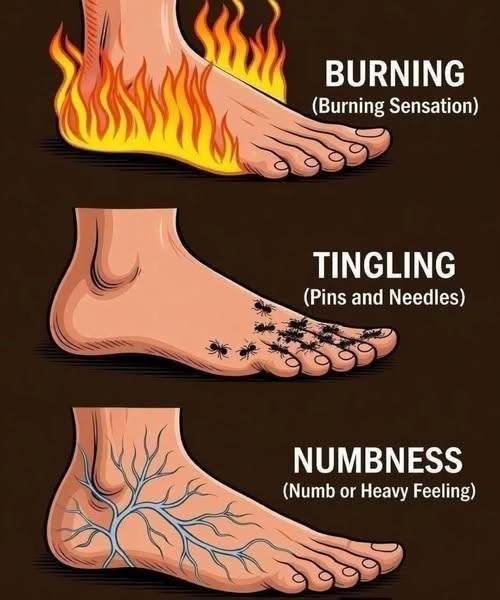
Vitamin B12 supports normal nervous system function. When levels become too low, nerve damage can occur, potentially causing tingling, numbness, or a pins-and-needles sensation in the hands, legs, or feet.
Some people initially mistake these sensations for poor circulation or sleeping in an awkward position. However, recurring or persistent symptoms deserve attention, particularly when they occur alongside fatigue, weakness, or other neurological changes.
Vitamin B12 deficiency can sometimes affect the nervous system even when a person does not have anemia. Early evaluation matters because prolonged deficiency can cause lasting nerve problems.
When to seek medical advice: Arrange an assessment for persistent or unexplained numbness or tingling. If symptoms develop suddenly, affect one side of the body, or occur with weakness, trouble speaking, or difficulty walking, seek emergency medical care rather than assuming a vitamin deficiency is responsible.
3. Pale or Yellowish Skin
Changes in skin color can sometimes occur with vitamin B12 deficiency.
When the deficiency causes anemia, the skin may appear paler than usual. In some cases, the breakdown of abnormal red blood cells can contribute to a slight yellowish appearance of the skin or the whites of the eyes.
These changes are not specific to vitamin B12 deficiency. Pale skin can have several causes, while yellowing of the skin or eyes may indicate a problem involving the liver, gallbladder, or blood cells.
When to seek medical advice: If you notice unexplained yellowing of your skin or eyes, seek prompt medical evaluation, particularly if you also have dark urine, abdominal pain, or unusual weakness.
4. A Smooth, Sore, or Red Tongue
Vitamin B12 deficiency can affect the tissues inside your mouth. One possible symptom is glossitis, an inflammation of the tongue that can make it appear unusually smooth, swollen, or red.
You may also notice soreness, tenderness, a burning sensation, or discomfort when eating certain foods. Mouth ulcers can occur in some people as well.
These symptoms may make eating unpleasant and can sometimes appear alongside other signs of a nutritional deficiency.
However, a sore tongue can also result from other nutritional deficiencies, irritation, infections, or other medical conditions.
When to seek medical advice: If tongue soreness, redness, or swelling persists, a healthcare professional can help identify the underlying cause and determine whether nutritional testing is needed.
5. Memory Problems or Difficulty Concentrating
Vitamin B12 plays an important role in normal brain and nervous system function. A deficiency may contribute to difficulty concentrating, forgetfulness, or changes in thinking.
You might find it harder to focus on tasks, remember recent information, or feel mentally sharp. In more serious cases, B12 deficiency can be associated with confusion or other cognitive changes.
These symptoms do not automatically mean you have a vitamin deficiency. Sleep deprivation, stress, medication effects, mood disorders, and many other conditions can affect concentration and memory.
When to seek medical advice: If cognitive changes are persistent, worsening, or interfering with everyday activities, arrange a medical assessment rather than relying on supplements alone. Sudden confusion requires urgent evaluation.
6. Mood Changes
Some people with vitamin B12 deficiency experience changes in mood, including irritability, low mood, or symptoms of depression.
Vitamin B12 is involved in processes that support normal nervous system function. However, mood changes are complex and rarely have just one possible cause.
A person experiencing depression or anxiety should not assume that vitamin B12 deficiency is responsible. Other nutritional, physical, psychological, and environmental factors may contribute.
When to seek medical advice: If you notice ongoing changes in mood, energy, motivation, or interest in usual activities, consider discussing them with a healthcare professional. They can assess your symptoms and determine whether testing for B12 deficiency or other conditions is appropriate.
If you are experiencing severe emotional distress or thoughts of self-harm, seek immediate support from a trusted person or an appropriate crisis or emergency service.
7. Balance Problems or Difficulty Walking
Low vitamin B12 can affect the nerves involved in balance, coordination, and the sense of where your body is positioned.
As a result, some people may feel unsteady, have trouble walking, or experience a greater risk of falling. These symptoms can sometimes develop gradually, making them easy to dismiss at first.
Balance problems have many possible causes, including inner-ear conditions, medication effects, and neurological disorders. They should not automatically be attributed to a vitamin deficiency.
When to seek medical advice: New or worsening difficulty walking should be evaluated promptly, particularly if it occurs with numbness or weakness. Sudden difficulty walking, especially alongside other stroke symptoms, requires emergency care.
Early identification of a B12 deficiency can help prevent further nerve damage, although recovery may be incomplete if treatment is delayed.
8. Shortness of Breath or a Racing Heart
When vitamin B12 deficiency leads to anemia, the blood may have a reduced ability to carry oxygen. The heart may compensate by beating faster, and you may feel short of breath during everyday activities or exercise.
Other possible symptoms of anemia include weakness, dizziness, headaches, and feeling unusually tired.
These symptoms can also occur with heart or lung conditions, infections, and other forms of anemia. They should not be used on their own to diagnose vitamin B12 deficiency.
When to seek medical advice: Arrange a medical assessment for unexplained shortness of breath or recurring palpitations. Seek urgent medical attention for severe or sudden shortness of breath, chest pain, fainting, or a racing heartbeat accompanied by significant weakness or dizziness.
9. Unexplained Weakness or Reduced Physical Stamina
Vitamin B12 deficiency may cause generalized weakness, particularly when it results in anemia.
Activities that once felt easy may begin to require more effort, and you may tire more quickly than usual. Some people experience weakness alongside tingling, numbness, balance difficulties, or other neurological symptoms.
When several symptoms appear together, it is worth discussing them with a healthcare professional.
Weakness is not specific to B12 deficiency. It can be associated with many conditions, including iron deficiency, thyroid problems, infections, medication effects, and inadequate nutrition.
When to seek medical advice: If unexplained weakness continues or interferes with everyday activities, a medical assessment can help determine whether vitamin B12 testing or other investigations are needed.
Who Is More Likely to Develop Vitamin B12 Deficiency?
Certain people have a higher risk of developing low vitamin B12 levels because of their diet, age, medical history, or ability to absorb the nutrient.
People Who Follow Vegan Diets
Vitamin B12 occurs naturally mainly in animal-derived foods. People who avoid animal products need reliable sources, such as appropriately fortified foods or a suitable supplement.
Older Adults
Some older adults have reduced stomach acid, which can make it harder to release vitamin B12 from food. This can increase the risk of deficiency.
People With Digestive Conditions
Conditions affecting the stomach or small intestine can interfere with vitamin B12 absorption. Some autoimmune conditions, including pernicious anemia, can also prevent the body from absorbing B12 properly.
People Who Have Had Certain Gastrointestinal Surgeries
Procedures involving the stomach or parts of the small intestine may reduce the body’s ability to absorb vitamin B12.
People Taking Certain Medications
Long-term use of some medicines, including metformin and acid-reducing medications, may be associated with lower vitamin B12 levels in some individuals.
Do not stop taking prescribed medication without discussing it with your healthcare professional. If you take these medicines long term and have relevant symptoms or risk factors, ask whether monitoring your B12 levels is appropriate.
Which Foods Contain Vitamin B12?
Vitamin B12 is found naturally in a range of animal-derived foods. Some plant-based products are fortified with the vitamin.
Common sources include:
- Fish and shellfish: Certain fish and shellfish provide useful amounts of vitamin B12.
- Meat and poultry: Beef, chicken, and other meats can contribute to your daily intake.
- Eggs: Eggs contain vitamin B12, although the amount varies.
- Milk, yogurt, and cheese: Dairy products provide B12 in varying amounts.
- Fortified breakfast cereals: Some cereals contain added vitamin B12.
- Fortified plant-based milks: Certain soy, almond, oat, and other plant-based beverages contain added B12.
People who eat little or no animal-derived food should check product labels to confirm whether foods are fortified with vitamin B12. Nutritional yeast contains B12 only when it has been fortified.
Eating a varied diet can help meet nutritional needs. However, food alone may not correct a deficiency caused by poor absorption or certain medical conditions.
How Is Vitamin B12 Deficiency Diagnosed?
Symptoms alone cannot confirm that you have vitamin B12 deficiency. A healthcare professional may review your diet, medical history, medications, and symptoms before recommending blood tests.
Testing may include:
- Complete blood count (CBC): This test checks the number and characteristics of your blood cells and can help identify anemia.
- Vitamin B12 blood test: This measures the amount of vitamin B12 in your blood.
- Additional tests when needed: If the initial results are unclear, other tests, such as methylmalonic acid, may help clarify whether a deficiency is present.
A normal blood count does not always rule out vitamin B12 deficiency, particularly when neurological symptoms are present.
If a deficiency is confirmed, treatment depends on its cause and severity. Some people can take oral supplements, while others may need injections or a different treatment approach because of absorption problems.
Do not rely on high-dose supplements as a substitute for evaluation when you have persistent symptoms. Getting the right diagnosis helps ensure that another underlying condition is not overlooked.
Can Vitamin B12 Deficiency Cause Permanent Damage?
Yes, prolonged vitamin B12 deficiency can sometimes cause lasting nerve damage, particularly when neurological symptoms go untreated.
The good news is that early diagnosis and appropriate treatment can often improve symptoms and help prevent further complications. However, recovery varies from person to person, and some neurological problems may not completely resolve if treatment is delayed.
This is one reason to seek medical advice when unexplained numbness, tingling, balance problems, or cognitive changes persist.
Frequently Asked Questions
What is the most common symptom of vitamin B12 deficiency?
Fatigue is a common symptom, particularly when B12 deficiency causes anemia. Other possible symptoms include weakness, tingling, numbness, and balance difficulties. No single symptom confirms a deficiency.
Can vitamin B12 deficiency occur without anemia?
Yes. Some people experience neurological symptoms, including numbness or tingling, even when they do not have anemia or obvious changes in their blood count.
How do I know if I need a vitamin B12 test?
You may benefit from testing if you have persistent unexplained symptoms, follow a diet low in B12, have a condition that affects absorption, or take certain medications associated with lower B12 levels. A healthcare professional can help determine whether testing is appropriate.
Can food alone correct a vitamin B12 deficiency?
It depends on the cause. Increasing dietary B12 may help when intake is inadequate, but people with absorption problems may need supplements or injections. Confirmed deficiency should be treated according to medical advice.
How long does it take to recover from vitamin B12 deficiency?
Recovery varies depending on the severity and duration of the deficiency, its underlying cause, and the treatment used. Some symptoms may improve within weeks, while neurological symptoms can take longer and may not fully resolve.
Should I take vitamin B12 supplements without a blood test?
Whether testing is needed before supplementation depends on your symptoms and risk factors. If you have persistent neurological symptoms, unexplained fatigue, or other concerning changes, seek medical advice rather than using supplements as a substitute for diagnosis.
Final Thoughts
Vitamin B12 supports healthy nerves, red blood cells, and normal brain function. Persistent fatigue, tingling or numbness, changes in skin or tongue appearance, memory difficulties, mood changes, and balance problems are among the symptoms that may occur when levels are too low.
None of these signs proves that you have a deficiency, and some symptoms can indicate other medical conditions that need attention.
If you recognize several of these changes or have risk factors for low B12, consider speaking with a healthcare professional about whether testing is appropriate. Seek urgent care for sudden neurological symptoms, severe breathing difficulties, chest pain, or other emergency warning signs.
Identifying and treating a deficiency early can help protect your health and reduce the risk of complications.