
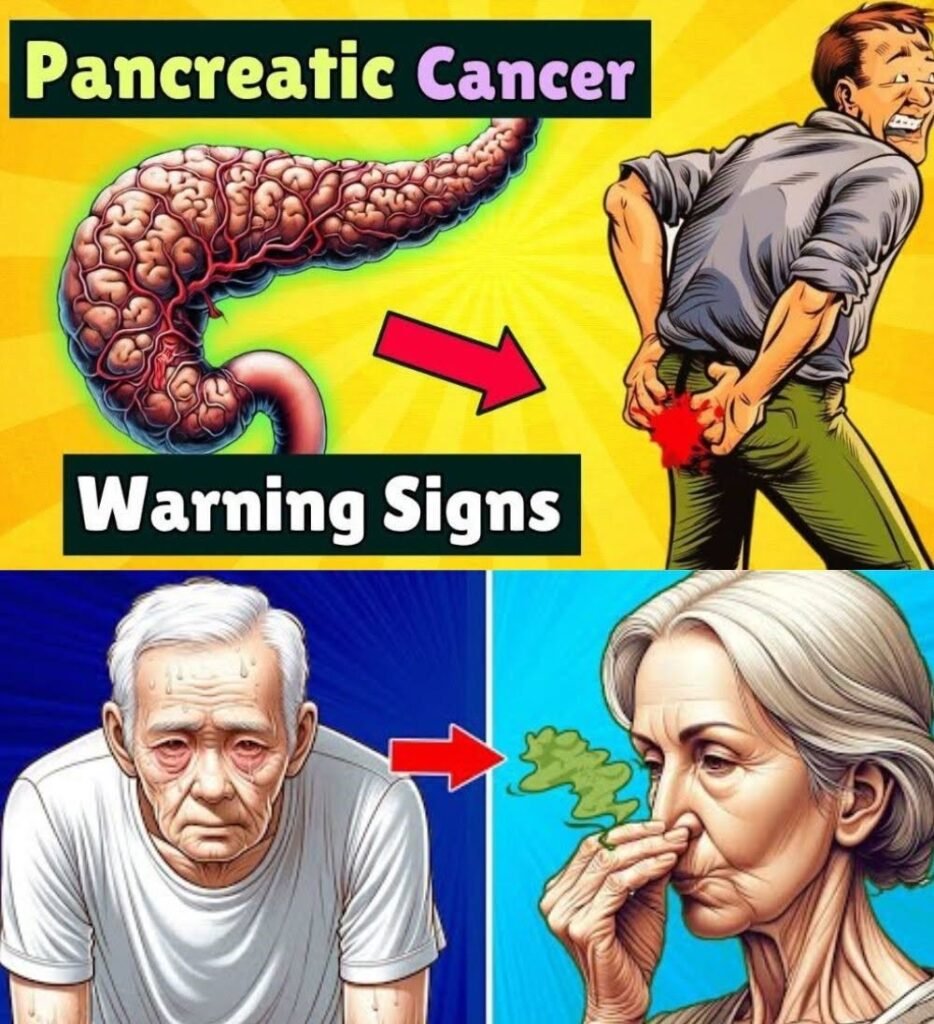
8 Symptoms That May Be Related to Pancreatic Health
The pancreas is an organ located behind the stomach that plays two important roles: it produces digestive enzymes that help break down food and hormones, including insulin, that help regulate blood sugar.
Because the pancreas is deep inside the abdomen, problems involving this organ may not cause obvious symptoms in their early stages. Many of the symptoms listed below have many possible causes, most of which are more common than pancreatic disease. However, persistent or unexplained symptoms should be evaluated by a healthcare professional.
1. Unexplained Weight Loss
What you may notice:
- Losing weight without trying
- Clothes fitting more loosely
- Reduced appetite
Possible causes:
Unintentional weight loss can result from digestive disorders, diabetes, thyroid disease, infections, certain cancers, or other medical conditions.
What to do:
If weight loss continues without a clear explanation, schedule an appointment with your healthcare provider.
2. Upper Abdominal Pain That May Spread to the Back
What you may notice:
- Pain in the upper abdomen
- Pain that radiates toward the back
- Discomfort that may worsen after eating in some cases
Possible causes:
This symptom can be caused by many conditions, including gallbladder disease, stomach ulcers, pancreatitis, muscle strain, and other digestive disorders.
What to do:
Seek medical evaluation if the pain is severe, persistent, or accompanied by fever, vomiting, or other concerning symptoms.
3. Yellowing of the Skin or Eyes (Jaundice)
What you may notice:
- Yellow skin or eyes
- Dark urine
- Pale or clay-colored stools
- Itchy skin
Possible causes:
Jaundice may occur when bile flow is blocked or when liver or bile duct disorders are present. It can also occur with some pancreatic conditions.
What to do:
Jaundice requires prompt medical evaluation and should not be ignored.
4. Changes in Stool
What you may notice:
- Pale or light-colored stools
- Greasy or oily stools
- Floating stools
- Foul-smelling stools
Possible causes:
Changes in stool may occur when fat is not absorbed normally, but they can also result from dietary changes and various digestive disorders.
What to do:
If these changes persist or occur along with weight loss or abdominal pain, discuss them with your healthcare provider.
5. Loss of Appetite or Feeling Full Quickly
What you may notice:
- Reduced appetite
- Feeling full after eating only a small amount
Possible causes:
Many digestive conditions, medications, infections, and chronic illnesses can contribute to these symptoms.
What to do:
Keep track of how long the symptoms last and discuss persistent changes with your healthcare provider.
6. New-Onset Diabetes or Changes in Blood Sugar
What you may notice:
- Elevated blood sugar levels
- Increased thirst
- Frequent urination
- New diagnosis of diabetes, particularly later in adulthood
Possible causes:
Because the pancreas produces insulin, pancreatic disorders can sometimes affect blood sugar regulation. However, type 2 diabetes remains much more common than pancreatic disease.
What to do:
Routine medical care and appropriate blood tests can help determine the cause.
7. Persistent Fatigue
What you may notice:
- Ongoing tiredness
- Low energy despite adequate rest
Possible causes:
Fatigue is one of the most common medical symptoms and can result from poor sleep, stress, anemia, infections, thyroid disorders, diabetes, and many other conditions.
What to do:
If fatigue is persistent or accompanied by other concerning symptoms, seek medical evaluation.
8. Persistent Nausea or Vomiting
What you may notice:
- Frequent nausea
- Vomiting
- Difficulty keeping food down
Possible causes:
These symptoms may be related to infections, medication side effects, digestive disorders, gallbladder disease, pancreatitis, and many other conditions.
What to do:
Seek medical attention if symptoms are severe, persistent, or prevent you from staying hydrated.
Healthy Habits That Support Pancreatic Health
While no lifestyle choice can guarantee prevention of pancreatic disease, healthy habits support overall health:
- Don’t smoke: Smoking is a major risk factor for pancreatic cancer and several other serious illnesses.
- Maintain a healthy weight: A balanced diet and regular physical activity support overall health.
- Limit alcohol: Heavy alcohol use increases the risk of pancreatitis and other health problems.
- Eat a balanced diet: Include fruits, vegetables, whole grains, lean proteins, legumes, and healthy fats.
- Manage chronic conditions: Follow your healthcare provider’s recommendations if you have diabetes, high cholesterol, or other ongoing medical conditions.
- Attend regular medical checkups: Discuss your personal and family medical history with your healthcare provider.
When to Seek Medical Care Promptly
Contact a healthcare professional promptly if you experience:
- Yellowing of the skin or eyes (jaundice)
- Severe or worsening abdominal pain
- Unexplained weight loss
- Persistent vomiting
- Blood in your stool or vomit
- Several of the symptoms above occurring together
If you have sudden, severe abdominal pain—especially if accompanied by vomiting, fever, or fainting—seek emergency medical care.
Final Thoughts
The symptoms listed above are not specific to pancreatic disease and are far more often caused by other, sometimes less serious, medical conditions. However, persistent or unexplained symptoms should never be ignored.
If you notice ongoing changes in your health, the best course of action is to consult a licensed healthcare professional. Early evaluation can help identify the cause and, when necessary, allow treatment to begin as soon as possible.
Disclaimer: This article is for informational and educational purposes only and should not be considered medical advice. These symptoms can have many different causes and should not be used to diagnose pancreatic disease or any other medical condition. If you have persistent, severe, or concerning symptoms, seek evaluation from a licensed healthcare professional.