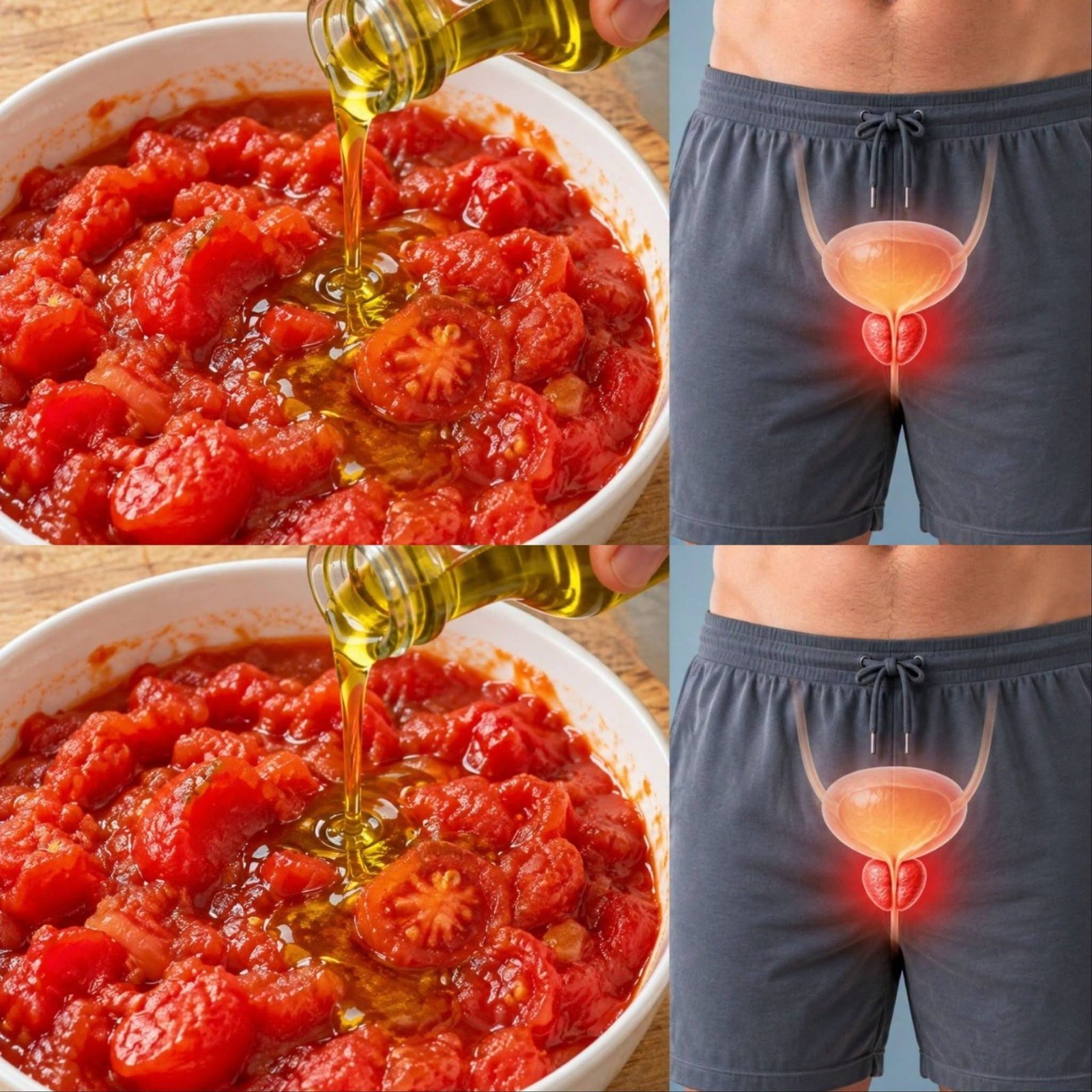
5 Foods That May Support Prostate Health — Including a Simple Tomato Juice and Olive Oil Recipe
What if a few everyday foods could help you take better care of your prostate as you get older?
Many men begin paying closer attention to prostate health when they notice changes in their bathroom habits, interrupted sleep, or a weaker urinary stream.
Others simply want to make healthier choices before problems develop.
The good news is that a balanced diet can support overall health, and researchers have been studying how certain foods might relate to prostate function and long-term well-being.
One particularly interesting combination involves two familiar Mediterranean ingredients: tomato juice and extra virgin olive oil.
Tomatoes contain lycopene, a naturally occurring antioxidant pigment. Olive oil provides beneficial unsaturated fats and may help the body absorb certain fat-soluble compounds from tomatoes.
But these aren’t the only foods worth discussing.
Here are five nutritious choices that may support a prostate-conscious lifestyle, along with a simple drink you can prepare in minutes.
Why Prostate Health Deserves Attention
The prostate is a small gland located below the bladder.
It surrounds part of the urethra, the tube that carries urine out of the body.
As men age, the prostate commonly enlarges. This condition is called benign prostatic hyperplasia, or BPH.
BPH isn’t prostate cancer, but it can cause uncomfortable urinary symptoms.
These may include frequent urination, waking during the night to use the bathroom, difficulty starting urination, or a weak urine stream.
Other prostate conditions include prostatitis and prostate cancer.
Diet can play a role in overall health, but no individual food has been proven to prevent all prostate problems or treat these conditions on its own.
1. Tomatoes: A Source of Lycopene
Tomatoes are among the most frequently discussed foods in prostate nutrition research.
Their distinctive red color comes partly from lycopene, a carotenoid pigment.
Lycopene has antioxidant properties, and researchers have investigated whether dietary intake might be associated with prostate cancer risk.
Some observational studies have found associations between higher tomato or lycopene consumption and certain favorable prostate health outcomes.
However, findings are inconsistent, and clinical trials haven’t established that lycopene supplements prevent or treat prostate cancer.
Tomatoes remain a nutritious food regardless of those uncertainties.
They provide vitamin C, potassium, and other plant compounds.
Why cooked tomatoes are interesting
Cooking and processing tomatoes can make some lycopene more accessible for absorption.
This is one reason tomato sauce, tomato paste, and cooked tomato dishes are commonly studied.
Adding a little fat, such as olive oil, can further help the absorption of carotenoids.
That doesn’t mean tomato juice and olive oil cure prostate enlargement, but the combination makes nutritional sense.
2. Extra Virgin Olive Oil: A Mediterranean Staple
Olive oil is rich in monounsaturated fats, particularly oleic acid.
Extra virgin olive oil also contains plant compounds called polyphenols.
These nutrients are part of why olive oil is often associated with Mediterranean-style eating.
A Mediterranean dietary pattern emphasizes vegetables, fruit, legumes, whole grains, fish, nuts, and olive oil.
Research has linked this overall pattern with favorable cardiovascular outcomes.
Its relationship with prostate cancer and BPH is still being studied, and results aren’t definitive.
The most practical benefit of olive oil is that it can replace some sources of saturated fat while adding flavor to vegetables and other nutritious foods.
3. Broccoli and Other Cruciferous Vegetables
Broccoli, cauliflower, cabbage, and Brussels sprouts belong to the cruciferous vegetable family.
These vegetables contain compounds called glucosinolates.
When chopped or chewed, glucosinolates can produce biologically active substances such as sulforaphane.
Researchers have studied these compounds for possible effects on cellular processes involved in cancer development.
Laboratory results are interesting, but they don’t establish that eating broccoli prevents prostate cancer.
Still, cruciferous vegetables provide fiber, vitamins, and minerals.
Roasting broccoli with a little olive oil and garlic is an easy way to make it part of dinner.
4. Pumpkin Seeds: Small but Nutrient-Rich
Pumpkin seeds contain magnesium, zinc, protein, and unsaturated fats.
Zinc is involved in normal immune function and many cellular processes.
The prostate contains relatively high concentrations of zinc compared with many other tissues, which has contributed to scientific interest in this mineral.
However, eating extra zinc doesn’t necessarily improve prostate health, and high-dose zinc supplements can cause harm.
A few small studies have examined pumpkin seed products for urinary symptoms associated with BPH, but the evidence remains limited.
Pumpkin seeds are best enjoyed as a nutritious snack or topping rather than a treatment.
5. Fatty Fish: A Source of Omega-3 Fats
Salmon, sardines, and trout provide omega-3 fatty acids, including EPA and DHA.
These fats are important for normal cellular function and cardiovascular health.
Researchers have also investigated their possible roles in inflammation and prostate disease.
However, evidence doesn’t establish that eating fatty fish prevents prostate cancer or treats prostate enlargement.
The reason to include fish is broader: it provides protein and useful nutrients as part of a balanced diet.
For many adults, eating fish regularly can be a healthy dietary choice.
The Tomato Juice and Olive Oil Recipe
This simple Mediterranean-inspired drink brings tomatoes and olive oil together.
It’s naturally savory and requires no added sugar.
Recipe at a glance
No added sugar
Prep
5 min
Ingredients
4
Servings
1
Ingredients
- 1 cup (240 ml) unsalted tomato juice
- 1 teaspoon extra virgin olive oil
- ½ teaspoon fresh lemon juice
- A small pinch of dried oregano or fresh basil, optional
Preparation
- Pour the tomato juice into a glass or small blender.
- Add the extra virgin olive oil.
- Add the lemon juice.
- Sprinkle in the oregano or basil.
- Stir vigorously or blend briefly until combined.
- Serve immediately.
If using packaged tomato juice, choose an unsalted or low-sodium variety.
The drink is intended as a nutritious food, not a medical treatment.
Why add olive oil?
Lycopene is fat-soluble.
Including a small amount of dietary fat can help the body absorb carotenoids from tomatoes.
However, the exact amount absorbed depends on processing, the meal, and individual factors.
There is no established dose of tomato juice and olive oil that prevents or treats prostate disease.
Four More Easy Prostate-Conscious Recipes
Recipe 1: Roasted Broccoli With Garlic and Olive Oil
Ingredients
- 2 cups broccoli florets
- 1 tablespoon olive oil
- 1 garlic clove, minced
- Black pepper to taste
Preparation
Toss the broccoli with olive oil and pepper.
Roast at 200°C (390°F) until nearly tender.
Add the garlic during the final minutes of cooking.
Serve warm.
Recipe 2: Tomato and White Bean Salad
Ingredients
- 1 cup cooked white beans
- 1 chopped tomato
- 1 teaspoon olive oil
- 1 teaspoon lemon juice
- Fresh parsley
Preparation
Combine the beans and tomato.
Add olive oil, lemon juice, and parsley.
Mix gently and serve.
Recipe 3: Pumpkin Seed and Yogurt Bowl
Ingredients
- ¾ cup plain Greek yogurt
- 1 tablespoon unsalted pumpkin seeds
- ½ cup fresh berries
Preparation
Spoon the yogurt into a bowl.
Add the berries and pumpkin seeds.
Enjoy as a protein-rich snack.
Recipe 4: Salmon With Tomato and Herbs
Ingredients
- 1 salmon fillet
- 1 medium tomato, chopped
- 1 teaspoon olive oil
- Fresh basil or parsley
- Lemon juice
Preparation
Place the salmon in a baking dish.
Top with chopped tomato and olive oil.
Bake at 200°C (390°F) until the fish reaches a safe internal temperature of 63°C (145°F).
Finish with fresh herbs and lemon juice.
Can These Foods Shrink an Enlarged Prostate?
This is an important question.
BPH involves changes in prostate tissue that occur commonly with aging.
No specific food has been reliably shown to shrink an enlarged prostate.
Dietary changes may contribute to overall health and weight management, but persistent urinary symptoms often require medical evaluation.
Depending on the severity, BPH may be managed with lifestyle changes, medication, or procedures.
If you’re frequently waking to urinate, struggling to empty your bladder, or experiencing a weak urinary stream, speak with a healthcare professional.
What About Prostate Cancer Prevention?
No food or supplement guarantees protection against prostate cancer.
Researchers continue to investigate the roles of diet, body weight, genetics, and other factors.
Some nutritional studies suggest possible associations, but observational findings cannot prove cause and effect.
It’s also important to remember that more isn’t always better.
High-dose supplements may be ineffective or harmful, even when the nutrients involved are essential in normal amounts.
A varied diet is generally preferable to taking concentrated supplements without medical advice.
Five Everyday Habits That Support Prostate and Overall Health
1. Stay physically active
Regular movement supports cardiovascular health, weight management, and general well-being.
2. Eat a varied diet
Include vegetables, fruit, whole grains, legumes, and appropriate protein sources.
3. Pay attention to hydration
Drink fluids regularly, but consider adjusting evening fluid timing if nighttime urination is a problem, with medical guidance when needed.
4. Discuss prostate screening
Talk with your clinician about whether PSA screening is appropriate based on your age, family history, and personal risk factors.
5. Don’t ignore urinary symptoms
Changes in urination deserve attention, particularly if they persist or worsen.
When to Seek Medical Advice
Contact a healthcare professional if you experience persistent urinary frequency, difficulty starting urination, a weak stream, or a feeling that your bladder doesn’t empty completely.
Blood in the urine, painful urination, or unexplained weight loss also warrants evaluation.
Seek urgent care if you’re unable to urinate or develop fever and significant urinary symptoms.
These problems shouldn’t be treated with food remedies alone.
The Bottom Line
Tomatoes, extra virgin olive oil, broccoli, pumpkin seeds, and fatty fish are all nutritious foods worth including in a balanced diet.
Tomatoes provide lycopene, olive oil offers beneficial unsaturated fats, and the other foods contribute fiber, minerals, protein, or omega-3 fatty acids.
None is a guaranteed prostate treatment, but together they can form part of a healthy eating pattern that supports long-term well-being.
And if you’re looking for an easy place to begin, a glass of unsalted tomato juice with a teaspoon of extra virgin olive oil is a simple, flavorful option.
Sometimes better habits begin with ingredients you’ve had in your kitchen all along.
Further reading: National Cancer Institute (NCI), National Institute of Diabetes and Digestive and Kidney Diseases (NIDDK), American Cancer Society, American Heart Association, USDA FoodData Central.