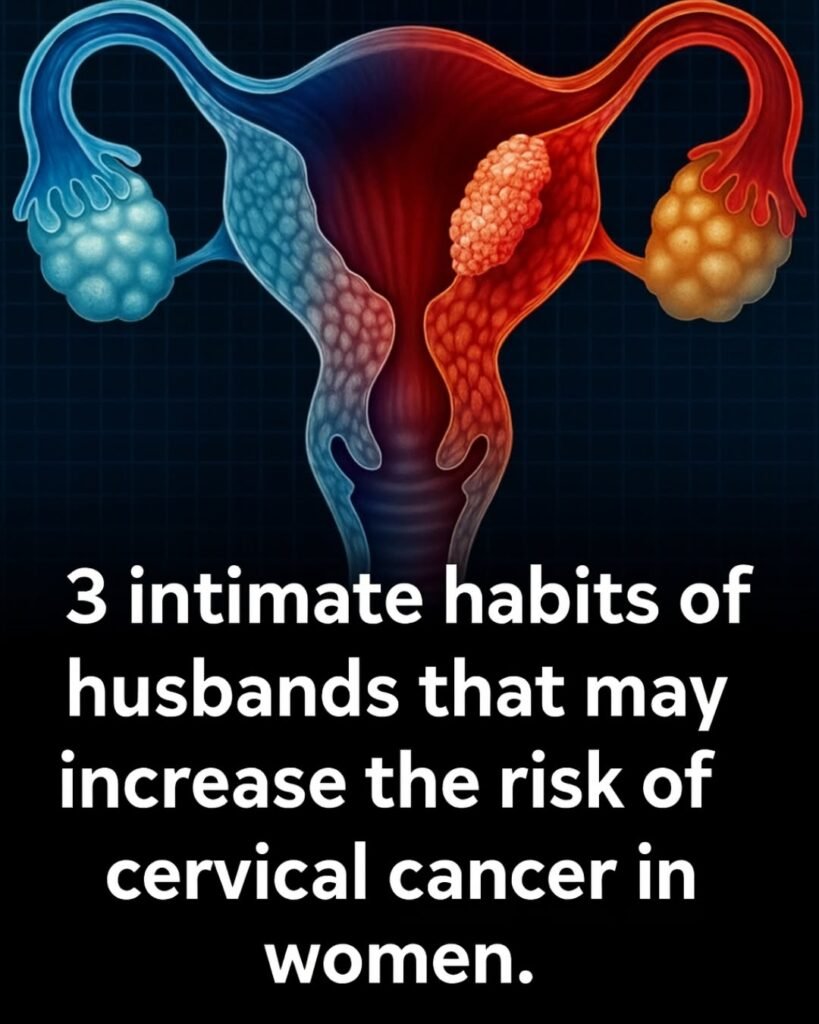
3 Male Habits That Can Increase Cervical Cancer Risk in Their Partners
Cervical cancer is often viewed as a women’s health issue, but men’s health and behaviors also play an important role in prevention. Nearly all cases of cervical cancer are linked to persistent infection with high-risk types of human papillomavirus (HPV), a common sexually transmitted virus. Many HPV infections clear on their own, but persistent infection with high-risk strains can lead to cervical cancer over time.
While no single behavior directly causes cervical cancer, some habits can increase the risk of HPV transmission or make it harder for the body to clear the infection.
1. Having Unprotected Sex
HPV is primarily spread through intimate skin-to-skin sexual contact. Using condoms consistently can reduce the risk of HPV transmission, although they do not provide complete protection because HPV can infect areas not covered by a condom.
In addition to condom use, couples can reduce their risk by:
- Getting the HPV vaccine if eligible
- Limiting the number of sexual partners
- Attending regular health screenings
Practicing safer sex is an important way to protect both partners.
2. Smoking
Smoking affects more than lung health. Research shows that tobacco use weakens the immune system, making it more difficult for the body to clear HPV infections. Secondhand smoke may also have harmful health effects, although the strongest evidence links active smoking with an increased risk of cervical cancer in women who have persistent HPV infection.
Quitting smoking benefits both partners by improving overall health and supporting immune function.
3. Not Receiving the HPV Vaccine
HPV vaccination is one of the most effective ways to prevent infections with the high-risk HPV types responsible for most cervical cancers. Vaccinating boys and men helps reduce HPV transmission and contributes to protecting their partners.
The vaccine is most effective before exposure to HPV but may still benefit some adults, depending on age and individual circumstances. Speak with a healthcare provider about eligibility.
A Note About Sex During Menstruation
Some articles suggest that sexual intercourse during menstruation increases cervical cancer risk. Current scientific evidence does not show that sex during menstruation directly increases the risk of cervical cancer.
However, if one partner has an untreated sexually transmitted infection, transmission can occur regardless of the menstrual cycle. Using protection and maintaining good sexual health remain the most important preventive measures.
Warning Signs That Should Be Evaluated
Early cervical cancer often causes no symptoms. As the disease progresses, symptoms may include:
- Bleeding after sex
- Bleeding between menstrual periods or after menopause
- Unusual vaginal discharge
- Pelvic pain
- Pain during intercourse
These symptoms can also result from many non-cancerous conditions, but they should always be evaluated by a healthcare professional.
Prevention Matters
The most effective ways to reduce cervical cancer risk include:
- Receiving the HPV vaccine
- Regular cervical cancer screening (Pap test and/or HPV test, as recommended)
- Practicing safer sex
- Avoiding tobacco use
- Following up promptly on abnormal screening results
Frequently Asked Questions
Can men carry HPV without symptoms?
Yes. Most men with HPV have no symptoms and may unknowingly transmit the virus.
Do condoms completely prevent HPV?
No. Condoms significantly reduce the risk but cannot eliminate it entirely because HPV spreads through skin-to-skin contact.
Is HPV vaccination only for women?
No. HPV vaccination is recommended for both males and females and helps prevent HPV-related cancers and genital warts.
Does having sex during menstruation cause cervical cancer?
No. There is no evidence that intercourse during menstruation directly causes cervical cancer. The primary cause is persistent infection with high-risk HPV.
Disclaimer: This article is for educational purposes only and should not replace medical advice. If you have questions about HPV, vaccination, cervical cancer screening, or symptoms, consult a qualified healthcare professional.