22 Foods That Can Kill Your Dog: A Complete Guide Every Dog Owner Should Read
22 Foods That Can Kill Your Dog: A Complete Guide Every Dog Owner Should Read
Dogs are beloved members of our families, and we often want to share our favorite foods with them. However, some foods that are perfectly safe for humans can be toxic to dogs and may cause serious illness or even death.
From chocolate and grapes to hidden sweeteners in everyday products, the dangers are not always obvious. Knowing which foods to avoid can help protect your dog’s health and potentially save its life.
In this article, we will explore 22 foods and food-related hazards that every dog owner should know about, why they are dangerous, and what to do if a dog accidentally eats them.
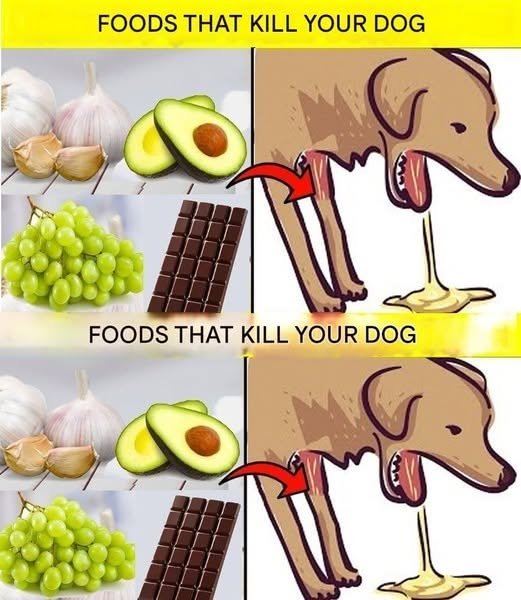
1. Chocolate 🍫
Chocolate is one of the best-known food hazards for dogs. It contains theobromine and caffeine, substances that dogs process much more slowly than humans.
Dark chocolate, baking chocolate, and cocoa powder generally pose a greater risk than milk chocolate because they contain higher concentrations of these substances.
Possible symptoms: Vomiting, diarrhea, restlessness, rapid heartbeat, tremors, and seizures. Severe poisoning can be fatal.
2. Grapes 🍇
Grapes can cause sudden kidney injury in dogs. Scientists have not completely established why some dogs develop severe reactions, and the dangerous amount cannot be reliably predicted.
Never assume that a grape is safe simply because it is small or seedless.
Possible symptoms: Vomiting, reduced appetite, weakness, changes in urination, and kidney failure.
3. Raisins
Raisins are dried grapes and can cause the same serious kidney problems. They are particularly concerning because a small handful contains many concentrated pieces of fruit.
Raisins may be hidden in cookies, cakes, breakfast cereals, and baked goods.
Important: Contact a veterinarian immediately if your dog eats raisins, even if it appears completely healthy.
4. Xylitol (Sugar-Free Sweetener)
Xylitol is a sweetener found in some sugar-free chewing gums, candies, baked goods, peanut butters, and dental products.
In dogs, it can trigger a rapid release of insulin, causing dangerously low blood sugar. It can also cause severe liver injury.
Possible symptoms: Vomiting, weakness, stumbling, collapse, and seizures.
Xylitol poisoning is a medical emergency. Check ingredient labels carefully and keep products containing this sweetener away from pets.
5. Onions 🧅
Onions contain compounds that can damage a dog’s red blood cells, potentially leading to anemia.
They can be dangerous whether raw, cooked, dried, or powdered. Onion powder in sauces, soups, and seasoned foods is easy to overlook.
Possible symptoms: Weakness, pale gums, reduced appetite, vomiting, and rapid breathing. Signs may take several days to become apparent.
6. Garlic 🧄
Garlic belongs to the same plant family as onions and can also damage red blood cells. Concentrated garlic powders and supplements can be particularly concerning.
Do not deliberately feed garlic to your dog as a home remedy or health supplement.
Possible symptoms: Vomiting, weakness, pale gums, and signs of anemia.
7. Macadamia Nuts
Macadamia nuts are toxic to dogs, although the exact mechanism of their toxicity remains unclear.
Even foods containing these nuts, such as cookies, cakes, and nut mixes, can pose a risk.
Possible symptoms: Weakness, vomiting, difficulty walking, tremors, and elevated body temperature.
Seek veterinary advice if your dog eats macadamia nuts.
8. Alcohol 🍺
Alcohol can be found in beer, wine, spirits, alcoholic desserts, and some other food products.
Dogs are much smaller than humans in many cases and can develop serious alcohol poisoning after consuming relatively small quantities.
Possible symptoms: Vomiting, disorientation, poor coordination, low body temperature, breathing difficulties, coma, and death.
Never give alcohol to a dog, and keep alcoholic drinks and desserts out of reach.
9. Coffee and Coffee Beans ☕
Coffee contains caffeine, which stimulates the nervous system and heart. Coffee grounds, beans, espresso, and concentrated coffee products can be particularly dangerous.
Tea and energy drinks may also contain harmful amounts of caffeine.
Possible symptoms: Restlessness, vomiting, rapid heartbeat, tremors, and seizures.
Keep coffee cups, discarded grounds, and caffeine-containing products away from curious pets.
10. Energy Drinks
Energy drinks often contain high concentrations of caffeine and may include additional stimulants.
Even a small amount can be dangerous depending on the dog’s size and the product’s ingredients.
Possible symptoms: Agitation, rapid heartbeat, abnormal heart rhythms, tremors, and seizures.
Never offer energy drinks to dogs. If your dog drinks one accidentally, contact a veterinarian immediately.
11. Raw Bread Dough 🍞
Uncooked yeast dough is dangerous because it can expand inside a dog’s stomach. The yeast also produces alcohol as the dough ferments.
This can cause painful bloating, alcohol poisoning, and potentially life-threatening complications.
Possible symptoms: A swollen abdomen, vomiting, weakness, disorientation, and difficulty breathing.
Keep rising dough covered and stored somewhere your dog cannot reach.
12. Moldy Food
Moldy leftovers, spoiled food, and garbage may contain toxins produced by certain molds. Some of these toxins can cause serious neurological problems.
Dogs may encounter moldy food in trash cans, compost piles, or discarded leftovers.
Possible symptoms: Vomiting, agitation, tremors, high body temperature, and seizures.
Prevent access to garbage and seek immediate veterinary care if your dog eats moldy food and becomes unwell.
13. Foods Containing Excessive Salt 🧂
Large quantities of salt can cause sodium poisoning in dogs. Risky sources include salt dough, large amounts of salty snacks, heavily salted foods, and some homemade play materials.
Possible symptoms: Vomiting, diarrhea, excessive thirst, weakness, tremors, and seizures.
Make sure your dog has access to fresh water, but do not attempt to treat suspected salt poisoning by forcing it to drink excessive amounts. Contact a veterinarian.
14. Nutmeg
Nutmeg contains compounds that can cause harmful effects when consumed in significant quantities.
It may be present in baked goods, desserts, spice mixtures, and seasonal treats.
Possible symptoms: Vomiting, agitation, disorientation, increased heart rate, and neurological signs.
Small amounts used in ordinary recipes may not cause severe poisoning, but concentrated exposures or large amounts require veterinary advice.
15. Cherry Pits
Cherry flesh is not generally considered a major toxin to dogs in small amounts, but the pits, stems, and leaves can contain cyanide-producing compounds.
The pits also present a choking hazard and may cause an intestinal obstruction if swallowed.
Possible symptoms: Vomiting, abdominal discomfort, difficulty passing stool, or breathing difficulties in severe cyanide poisoning.
Keep cherries with their pits away from dogs and never allow them to chew the pits.
16. Peach Pits
The flesh of a ripe peach, without the pit, can generally be offered in a small quantity to many healthy dogs. The pit, however, is dangerous.
Peach pits can cause choking or intestinal blockage and contain compounds capable of releasing cyanide.
Possible symptoms: Gagging, vomiting, abdominal pain, and difficulty passing stool.
Remove the pit completely before offering a small piece of peach.
17. Apricot Pits, Stems, and Leaves
Apricot flesh can be suitable as an occasional treat when the pit is removed. The pits, stems, and leaves contain cyanide-producing compounds.
The pit may also obstruct the digestive tract if swallowed.
Possible symptoms: Difficulty breathing, weakness, vomiting, and collapse in cases of serious poisoning.
Keep fallen apricots and discarded pits away from dogs, particularly in gardens and orchards.
18. Avocado 🥑
Avocados can cause digestive upset in some dogs, particularly when eaten in large quantities. The large pit can also cause choking or intestinal obstruction.
Although avocado-related poisoning is more severe in certain other animal species, dogs should still be kept away from the pit and excessive amounts of avocado.
Possible symptoms: Vomiting, diarrhea, and abdominal discomfort.
Avoid feeding the pit, skin, or large quantities of avocado to your dog.
19. Raw or Undercooked Pork
Raw or undercooked pork can contain harmful bacteria and, depending on the source and region, parasites. Raw meat can also spread pathogens to people handling the food.
The risk depends on the meat’s origin, processing, and preparation.
Possible problems: Vomiting, diarrhea, fever, and other signs of infection.
Cook pork thoroughly and serve it plain, without bones, excessive fat, or seasonings that are harmful to dogs.
20. Raw Eggs
Raw eggs may contain bacteria such as Salmonella. Regularly feeding raw egg whites can also interfere with the absorption of biotin, a B vitamin.
Possible problems: Digestive illness and, with repeated raw egg-white consumption, potential nutritional problems.
Cook eggs thoroughly before offering them to your dog, and serve them without added salt, butter, or seasoning.
21. Cooked Bones 🦴
Cooked bones are dangerous because they can splinter or break into sharp pieces. These fragments may injure the mouth, throat, stomach, or intestines.
Bones can also cause choking, dental fractures, and intestinal blockages.
Possible symptoms: Gagging, vomiting, abdominal pain, constipation, or blood in the stool.
Avoid giving cooked bones to dogs. If your dog swallows a sharp bone fragment, contact a veterinarian for advice rather than attempting to induce vomiting.
22. Fatty Foods and Greasy Leftovers
Large quantities of fatty foods, such as bacon grease, fatty meat trimmings, and rich leftovers, can cause digestive upset and may trigger pancreatitis in susceptible dogs.
Pancreatitis is inflammation of the pancreas and can become a serious medical condition.
Possible symptoms: Repeated vomiting, abdominal pain, reduced appetite, weakness, and diarrhea.
Feed your dog a balanced diet appropriate for its age and health, and avoid sharing rich, greasy meals.
What Should You Do If Your Dog Eats a Dangerous Food?
Recognizing a possible poisoning early can make a significant difference.
Step 1: Identify What Your Dog Ate
Find the food packaging or ingredient list, if available. Check whether it contains chocolate, xylitol, raisins, onions, or another hazardous ingredient.
Step 2: Estimate the Amount
Try to determine how much your dog ate, its approximate weight, and when the incident occurred. Give this information to the veterinarian.
Step 3: Contact a Veterinarian Immediately
Do not wait for symptoms if your dog may have eaten a highly toxic food. Some dangerous substances cause delayed symptoms even when the dog initially appears normal.
Step 4: Do Not Attempt Home Treatments Without Advice
Never induce vomiting or give salt, milk, oil, or other home remedies unless a veterinarian specifically instructs you to do so. These measures can make some situations worse.
Step 5: Watch for Emergency Symptoms
Seek urgent veterinary care if your dog develops seizures, collapse, breathing difficulties, severe weakness, repeated vomiting, or a swollen and painful abdomen.
How Can You Protect Your Dog?
- Store dangerous foods in closed cupboards or secure containers.
- Keep rubbish bins covered and inaccessible.
- Check labels for xylitol and other potentially harmful ingredients.
- Tell children and visitors not to feed the dog table scraps without permission.
- Keep food preparation areas clean and remove discarded pits, bones, and leftovers.
- Use dog-safe treats and consult your veterinarian about your pet’s nutritional needs.
Conclusion
Dogs depend on us to keep them safe, and understanding food hazards is an important part of responsible pet ownership.
Chocolate, grapes, raisins, xylitol, onions, garlic, macadamia nuts, alcohol, and caffeine are among the most important hazards to recognize. Other foods may cause choking, obstruction, infection, or serious digestive problems.
Remember that the level of danger depends on the food, the amount consumed, and the dog’s size and health. If you suspect your dog has eaten a toxic food, contact a veterinarian promptly instead of waiting for symptoms.
A little knowledge and prevention can help protect your best friend for years to come.
Share this article with other dog owners. It could help them recognize a hidden danger and protect a beloved pet.
Sources and Further Reading
- ASPCA Animal Poison Control: People Foods to Avoid Feeding Your Pets
- U.S. Food and Drug Administration: Holiday Food Hazards for Pets
- Merck Veterinary Manual: Xylitol Toxicosis in Dogs