
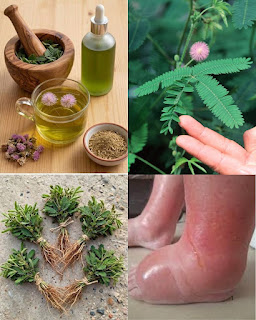
Mimosa Pudica Tea: How to Prepare It and Its Gentle Health Benefits
Mimosa pudica, commonly known as the Sensitive Plant, Touch-Me-Not, or Shy Plant, is famous for its unique leaves that fold inward when touched. Beyond this charming reaction, the plant has been used for centuries in traditional herbal practices across various cultures.
In recent years, Mimosa pudica tea has gained quiet popularity among those interested in natural wellness. This gentle herbal infusion is appreciated for its traditional uses and potential soothing properties. In this article, we’ll explore how to prepare it safely and what benefits people commonly associate with it.
Potential Benefits of Mimosa Pudica Tea
While modern scientific research is still catching up, Mimosa pudica has a rich history in traditional medicine. Here are some of the most commonly mentioned potential benefits:
Digestive Support In traditional herbalism, Mimosa pudica is often used to help ease mild digestive discomfort. Its natural tannins and flavonoids may offer a mild astringent effect, which some people find helpful for occasional loose stools or general digestive calm.
Antimicrobial and Antiparasitic Properties Preliminary studies suggest that extracts of this plant may have mild antimicrobial activity. In various traditional systems, it has been used as a gentle support for intestinal wellness and parasite cleansing, though strong clinical evidence is still limited.
Mild Anti-Inflammatory Effects The plant is traditionally valued for its potential to soothe minor inflammation. While often applied externally for small skin irritations, some people also drink the tea hoping for gentle internal comfort.
Skin Health and Wound Support Cooled Mimosa pudica tea can be used as a gentle rinse or lotion for minor skin irritations. Traditional preparations using leaves or roots as pastes have long been applied to support natural skin healing.
Calming and Relaxing Qualities Some traditional sources describe Mimosa pudica as having light sedative-like properties that may help promote relaxation and ease everyday stress. Many users report a subtle calming effect when enjoying the tea in the evening.
How to Prepare Mimosa Pudica Tea
Making this herbal tea at home is simple and straightforward.
Ingredients (for 1 cup):
- 1 teaspoon of dried Mimosa pudica leaves (or a small handful of fresh leaves if available)
- 1 cup (about 250 ml) of fresh, clean water
- Optional: honey, lemon, or a touch of stevia for taste
Step-by-Step Preparation:
- Bring fresh water to a gentle boil.
- Place the dried leaves in a cup or teapot.
- Pour the hot water over the leaves and cover.
- Let it steep for 5–10 minutes, depending on how strong you prefer it.
- Strain and enjoy. You can drink it warm or let it cool for topical use.
Taste Profile: The tea has a mild, earthy, and slightly herbal flavor — subtle and pleasant rather than bitter.
Tip: Start with a shorter steeping time and smaller amounts if you’re trying it for the first time.
Precautions and Safety Tips
As with any herbal remedy, it’s important to approach Mimosa pudica tea with care:
- Limited Clinical Research: While traditionally used for generations, large-scale human studies are still limited.
- Possible Side Effects: Some individuals may experience mild stomach upset or allergic reactions. Discontinue use if you notice any discomfort.
- Pregnancy & Breastfeeding: Due to insufficient safety data, pregnant or breastfeeding women should avoid it unless advised by a healthcare professional.
- Medication Interactions: Consult your doctor before using if you take medications or have existing health conditions.
- Quality Matters: Always source your Mimosa pudica from reputable, organic suppliers to avoid contaminants.
Other Traditional Uses
- Topical Application: Cooled tea or leaf pastes for minor skin issues.
- Herbal Supplements: Available in capsule form for convenient use.
- Ornamental Plant: Beautiful addition to gardens with its fascinating leaf movement.
Final Thoughts
Mimosa pudica tea offers a gentle way to connect with traditional herbal wisdom. Whether you’re drawn to its potential digestive support, calming qualities, or simply enjoy discovering new herbal teas, it’s best enjoyed mindfully and in moderation.
Start slowly, listen to your body, and remember that herbal teas work best as part of a balanced lifestyle. For any serious health concerns, always consult a qualified healthcare practitioner.
Would you like a printable recipe card version or recommendations for where to buy high-quality dried Mimosa pudica leaves? Feel free to ask! 🌿