
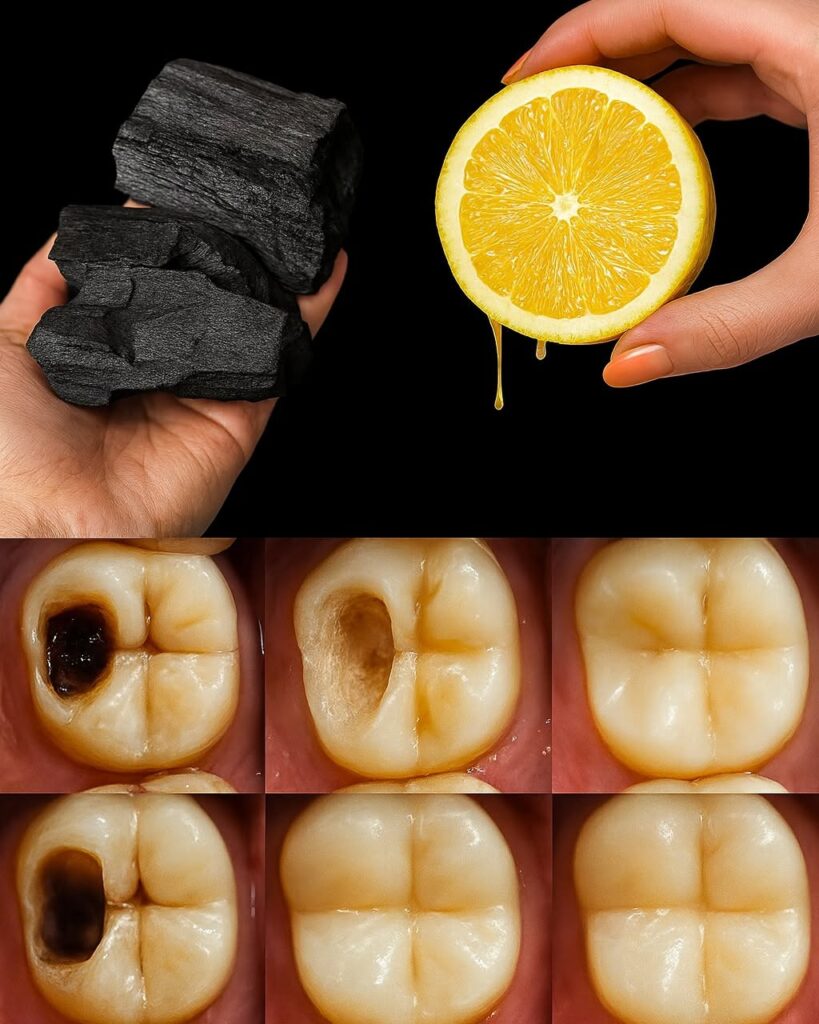
How to naturally repair a cavity. Keep these tips in mind to avoid visiting the dentist
If by “cavity” you mean a hole in a tooth caused by tooth decay, it’s important to know that a true cavity cannot be repaired naturally once the tooth structure has been lost. Avoiding the dentist when you have a cavity can allow it to grow larger and potentially lead to pain, infection, or tooth loss.
What can happen naturally is that very early tooth decay (before a cavity forms) may be slowed or partially remineralized. Good habits include:
- Brushing twice daily with fluoride toothpaste.
- Cleaning between teeth with floss or interdental brushes.
- Drinking fluoridated water if available.
- Limiting frequent consumption of sugary foods and drinks.
- Chewing sugar-free gum (especially with xylitol) after meals.
- Maintaining a balanced diet with adequate calcium and vitamin D.
Signs that you should see a dentist include:
- Tooth pain or sensitivity.
- Visible holes, pits, or dark spots in a tooth.
- Swelling of the gums or face.
- Pain when biting.
If you’re asking because you’ve seen social media claims about “healing cavities naturally,” those claims often confuse early enamel demineralization with an established cavity. Once a cavity has formed, professional dental treatment is typically needed to restore the damaged tooth.
If by “cavity” you mean a hole in a tooth caused by tooth decay, it’s important to know that a true cavity cannot be repaired naturally once the tooth structure has been lost. Avoiding the dentist when you have a cavity can allow it to grow larger and potentially lead to pain, infection, or tooth loss.
What can happen naturally is that very early tooth decay (before a cavity forms) may be slowed or partially remineralized. Good habits include:
- Brushing twice daily with fluoride toothpaste.
- Cleaning between teeth with floss or interdental brushes.
- Drinking fluoridated water if available.
- Limiting frequent consumption of sugary foods and drinks.
- Chewing sugar-free gum (especially with xylitol) after meals.
- Maintaining a balanced diet with adequate calcium and vitamin D.
Signs that you should see a dentist include:
- Tooth pain or sensitivity.
- Visible holes, pits, or dark spots in a tooth.
- Swelling of the gums or face.
- Pain when biting.
If you’re asking because you’ve seen social media claims about “healing cavities naturally,” those claims often confuse early enamel demineralization with an established cavity. Once a cavity has formed, professional dental treatment is typically needed to restore the damaged tooth.