
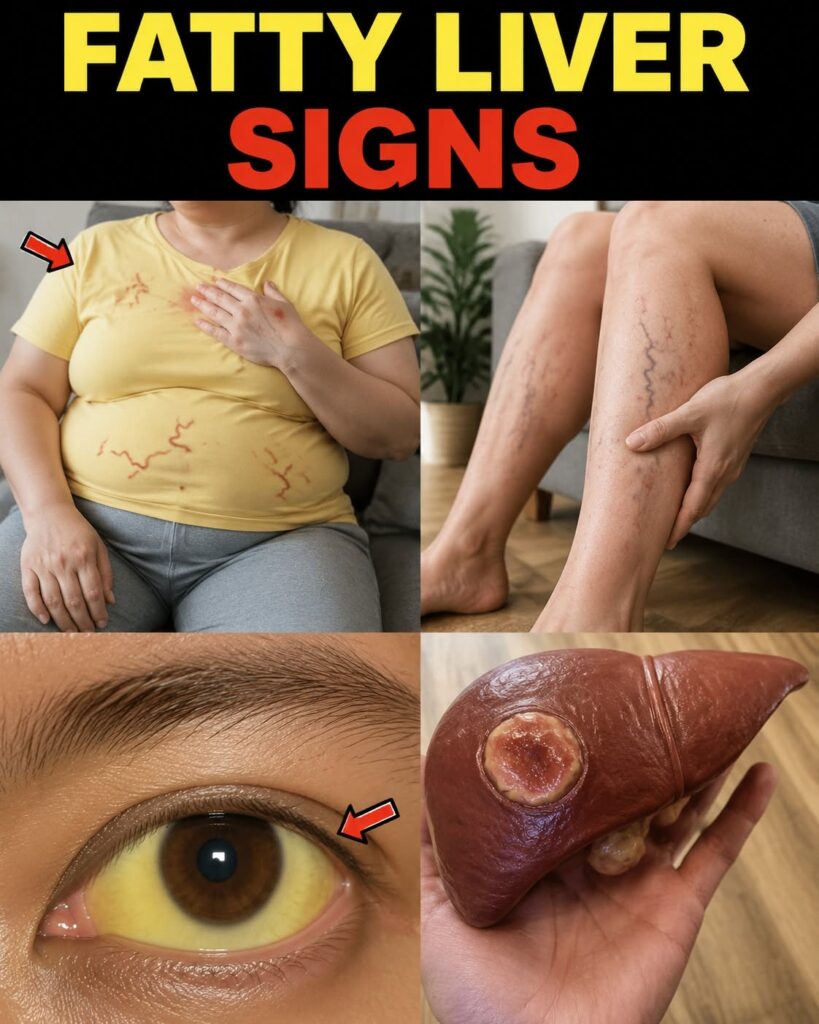
Fatty liver is more common than most people realize, quietly creeping into your life without obvious warning signs. You might feel off, a little sluggish, or notice subtle changes that seem unrelated but beneath the surface, your liver could be struggling. Ignoring these early signs can make things worse over time, leading to discomfort that’s hard to shake. But don’t worry, there’s a way to recognize these warning signals before they become overwhelming, and the insights ahead could change how you view everyday habits. Keep reading because the last tip is something most people never notice, yet it’s surprisingly revealing.
Why Recognizing Fatty Liver Symptoms Matters
Your liver is a workhorse, filtering toxins, managing nutrients, and supporting energy production. Fat accumulation can slow these processes, leaving you feeling tired or bloated without an obvious cause. The tricky part is many symptoms are subtle and often mistaken for stress or diet related issues. Early recognition can help you make lifestyle tweaks that support liver health without relying on dramatic interventions.
1. Persistent Fatigue That Won’t Go Away
 Feeling drained even after a good night’s sleep? This is one of the most common signs. When fat builds up in the liver, it can interfere with energy metabolism. You might notice
- Afternoon slumps that caffeine can’t fix
- Feeling exhausted after light activity
- Difficulty concentrating
The truth is, fatigue is often your body’s first whisper that something is off, don’t ignore it
2. Discomfort or Fullness in the Upper Right Abdomen
Mild pain or pressure under the ribcage can indicate liver stress. It’s subtle and often intermittent, but pay attention if you notice
- Dull ache after meals
- Bloating or feeling unusually full
- Sensitivity when pressing the area
This discomfort may come and go, but chronic recurrence is a sign to take note
3. Unexpected Weight Gain or Difficulty Losing Weight
Even with balanced diet and exercise, stubborn belly fat may persist. Research suggests fatty liver can affect insulin sensitivity, contributing to weight changes, particularly around the midsection
- Clothes fitting tighter without changing habits
- Extra belly fat despite healthy routines
- Water retention or bloating
4. Changes in Appetite
Noticeable shifts in hunger or fullness can be more than stress. Fatty liver can disrupt signals that regulate appetite. Watch for
- Eating less but still gaining weight
- Cravings for sugary or fatty foods
- Feeling full quickly
5. Digestive Issues
The liver helps process nutrients and bile production, so fat buildup can impact digestion. Common signals include
- Constipation or irregular bowel movements
- Nausea after meals
- Acid reflux or bloating
This is where lifestyle adjustments such as hydration, fiber, and balanced meals can make a subtle but real difference
6. Skin and Eye Change
While less common, fatty liver can influence skin appearance. You may notice
- Slight yellowing of eyes or skin
- Itchy skin without rash
- Darker patches on the neck or elbows
Research shows that mild liver stress can reflect in skin tone before other symptoms are obvious
7. Mood Swings and Brain Fo
Fatty liver can impact hormones and toxins that influence mood. You might experience
- Irritability without clear reason
- Difficulty focusing or remembering details
- Low motivation for usual activities
8. Swelling in Legs or Abdomen
Fluid retention may occur when the liver isn’t processing fluids efficiently. Signs include
- Puffy ankles or feet
- Unexplained abdominal bloating
- Feeling heavier at the end of the day
9. Elevated Cholesterol or Blood Sugar Levels
Lab tests often reveal early warning signs even before major symptoms appear. Fat accumulation can influence
- LDL “bad” cholesterol levels
- Triglycerides
- Blood sugar or insulin sensitivity
If your routine blood tests show consistent elevations, it’s worth paying attention even if you feel fine
10. Unexplained Bruising or Bleeding Easily
The liver produces factors essential for clotting. Fatty liver can subtly disrupt this, leading to
- Bruises from minor bumps
- Nosebleeds or bleeding gums
- Slow healing of small cuts
Quick Comparison Early vs. Advanced Symptoms
| Symptom Type | Early Signs | Later Signs for awareness |
|---|---|---|
| Energy Levels | Mild fatigue | Severe exhaustion |
| Digestive | Occasional bloating | Persistent nausea or vomiting |
| Skin & Eyes | Subtle yellowing | Clear jaundice |
| Weight | Slight belly weight gain | Rapid or noticeable abdominal growth |
| Swelling | Mild ankle puffiness | Significant leg or abdomen swelling |
Actionable Tips to Support Liver Health
Even small changes can help your body process fat more efficiently
- Move regularly such as short walks, stretching, or light cardio to improve metabolism
- Mind your meals by balancing protein, healthy fats, and complex carbs
- Stay hydrated because water supports liver function and digestion
- Limit processed foods and reduce refined sugars and fried items
- Track your symptoms by keeping a small diary; noticing patterns helps early adjustments
Here’s the part most people miss. Simple awareness combined with consistent habits can reduce the risk of progression before it even becomes noticeable
FAQ Fatty Liver Awarenes
Q1: Can I feel fatty liver without any tests?
Yes. Many people experience fatigue, mild abdominal discomfort, or digestive changes. Paying attention to subtle patterns is key
Q2: How often should I check liver health?
Routine checkups once a year can help, especially if you have risk factors such as high cholesterol, obesity, or a family history of liver issues
Q3: Are there foods that support liver health?
Yes. Include leafy greens, berries, nuts, and lean proteins. Avoid heavily processed foods and excessive sugar
Final Thoughts
Fatty liver is often silent, but your body gives hints. Recognizing these top ten signals early allows you to make simple, safe adjustments that support your overall well-being. Remember, subtle awareness and consistent healthy habits are your best allies