
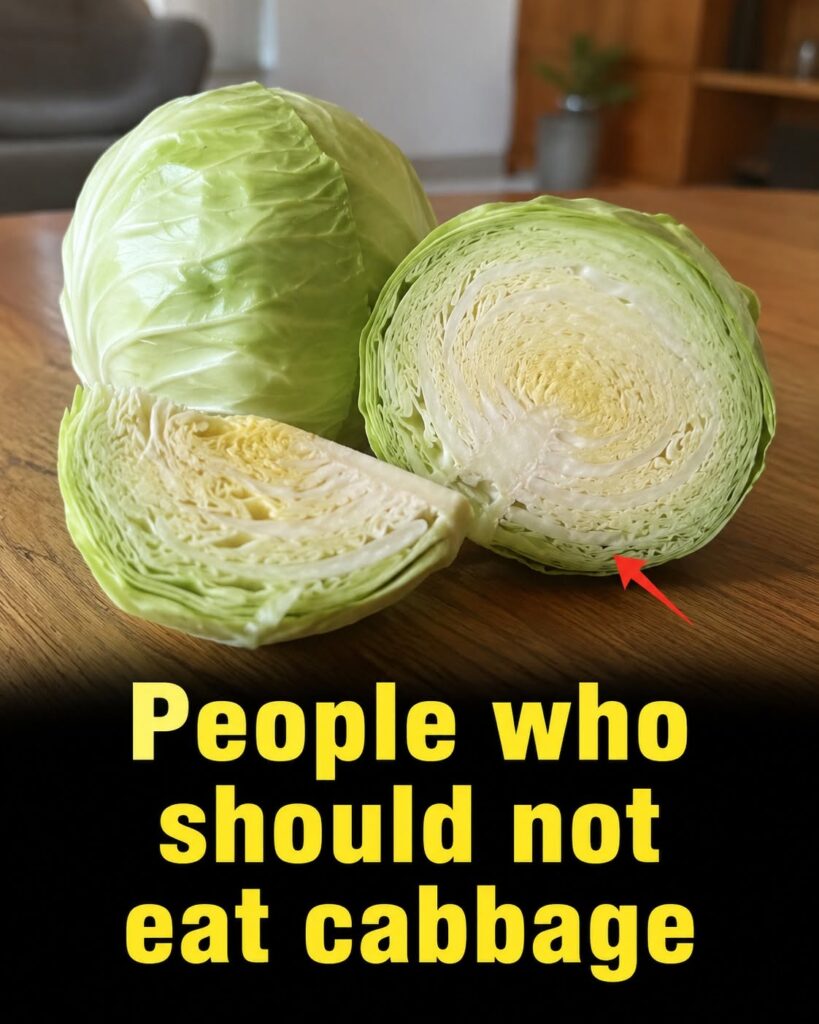
We all reach for cabbage thinking it’s one of the healthiest choices in the produce aisle—crisp, affordable, and loaded with nutrients that support everyday wellness. Yet for certain people, that same vegetable can trigger bloating, gas, or even subtle interactions with medications that leave you feeling off after a meal. It’s frustrating when something marketed as “good for you” suddenly creates new discomfort or raises questions about your routine. The reality is that cabbage offers real benefits for most, but a few specific groups may want to approach it differently to feel their best.
Stick around, because by the end of this post you’ll discover a simple kitchen trick that can make cabbage far gentler on the body—no matter which group you fall into.
Why Cabbage Earns Its Superfood Reputation for Most People
Cabbage belongs to the cruciferous family and delivers impressive nutrition in every bite. A single cup of shredded raw cabbage provides a solid dose of vitamin C, vitamin K, fiber, and antioxidants while staying low in calories. Research suggests these nutrients help support immune function, promote healthy digestion for those without sensitivities, and contribute to overall anti-inflammatory effects in the body.
Many people enjoy cabbage regularly without any issues. It adds satisfying crunch to salads, bulk to soups, and even works well when fermented into sauerkraut, which can support gut-friendly bacteria for most folks.
But here’s where it gets interesting: not everyone processes cabbage the same way. The very compounds that make it nutritious can create challenges in certain situations.
The Surprising Groups Who Should Think Twice About Cabbage
Even though cabbage is generally safe and beneficial, health experts from sources like WebMD and Healthline point out a few key groups who may experience unwanted effects. Understanding these can help you decide if a quick adjustment to your habits is worth making.
People With Thyroid Concerns
If you have an under-active thyroid (hypothyroidism), cabbage contains natural compounds called goitrogens. In large amounts—especially when eaten raw—these compounds can interfere with how your body uses iodine, a mineral important for thyroid hormone production. Studies show this effect is much weaker when cabbage is cooked, but it’s still smart to pay attention if you already manage thyroid health.
The good news? Most people with well-managed thyroid levels who eat moderate portions of cooked cabbage report no problems. Still, it’s always wise to chat with your healthcare provider before making big dietary changes.
Those Taking Blood-Thinning Medications
Cabbage is naturally high in vitamin K, which plays a key role in blood clotting. For anyone prescribed blood thinners like warfarin, a sudden increase or big decrease in vitamin K intake can affect how well the medication works. Consistency matters more than total avoidance.
Health professionals often recommend keeping your cabbage intake steady rather than cutting it out completely. That way your doctor can adjust medication if needed and keep things balanced.
Individuals With Digestive Sensitivities or IBS
Here’s a common complaint: that gassy, bloated feeling after eating cabbage. The vegetable contains raffinose and other FODMAPs—types of carbohydrates that some people’s guts have trouble breaking down. For those with irritable bowel syndrome (IBS) or general sensitivity to high-fiber cruciferous veggies, this can lead to discomfort, cramping, or loose stools.
If you notice symptoms flare up after cabbage-heavy meals, you’re not imagining it. Many people in this group feel better when they limit raw cabbage and choose smaller portions of cooked or fermented versions instead.
Anyone With a Known Allergy to Cruciferous Vegetables
Though rare, some individuals are allergic to the Brassicaceae family (which includes broccoli, cauliflower, and cabbage). Symptoms might include itching, swelling, or digestive upset. If you’ve had reactions to related veggies before, it’s best to skip cabbage entirely and talk to an allergist.
But that’s not all. A few other situations deserve a quick mention—people preparing for surgery or those managing blood sugar with certain medications may also want to keep portions moderate and consistent.
Practical Tips to Enjoy Cabbage More Comfortably
The best part? You don’t have to give up cabbage completely even if you fall into one of these groups. Small changes can make a big difference. Here’s how to approach it step by step:
- Cook it thoroughly. Steaming, sautéing, or boiling cabbage breaks down many of the goitrogens and makes the fiber easier to digest. Aim for at least 10–15 minutes of heat.
- Start small. Begin with just ½ cup cooked cabbage a few times a week and watch how your body responds before increasing portions.
- Pair it wisely. Combine cabbage with digestive-friendly foods like ginger, fennel, or a little olive oil to ease bloating.
- Choose fermented options carefully. Sauerkraut or kimchi can be gentler for some digestive systems because fermentation partially breaks down FODMAPs—though results vary person to person.
Here’s a quick comparison that many readers find helpful:
| Preparation Method | Best For | Potential Drawbacks |
|---|---|---|
| Raw (coleslaw) | Maximum crunch & vitamin C | Higher goitrogens, more gas for sensitive guts |
| Cooked (stir-fry/soup) | Easier digestion, milder taste | Slightly lower vitamin C (still plenty) |
| Fermented (sauerkraut) | Probiotic boost for most | Higher sodium; test tolerance first |
Simple Ways to Add Cabbage to Your Meals Without the Worry
You can still make cabbage a regular part of your plate with these easy ideas:
- Shred a small amount into a mixed vegetable stir-fry with carrots and peppers.
- Add cooked cabbage to hearty bean soups for extra fiber and volume.
- Try a light cabbage slaw with lemon and herbs instead of heavy mayo-based versions.
- Roast cabbage wedges with olive oil and spices for a caramelized side dish that’s naturally sweet.
The key is listening to your body and keeping portions reasonable—usually 1 cup cooked per serving works well for most people.
Final Thoughts on Making Smarter Choices With Cabbage
Cabbage remains a nutritious, budget-friendly vegetable that brings real value to many plates. By knowing who might benefit from a little extra caution and learning a few simple preparation tricks, you can continue enjoying it confidently. The goal isn’t fear of food—it’s smart, informed eating that supports how you feel every day.
Frequently Asked Questions
Is cooked cabbage safer than raw for people with thyroid concerns?
Yes, cooking significantly reduces goitrogen activity, making it a better option for most individuals managing thyroid health. Still, discuss your overall diet with your doctor.
How much cabbage is considered “too much” for someone on blood thinners?
Consistency matters more than exact amounts. Sudden large increases or drops can affect medication levels, so aim for steady, moderate portions and let your healthcare provider monitor your INR.
Can I still eat cabbage if I have mild IBS symptoms?
Many people with IBS tolerate small amounts of cooked cabbage better than raw. Start low, track symptoms, and consider working with a registered dietitian to personalize your approach.
Disclaimer: This article is for informational purposes only and is not intended as medical advice. Always consult your healthcare provider before making changes to your diet, especially if you have a medical condition or take prescription medications. Individual responses to foods vary, and professional guidance ensures the safest choices for your unique health needs.