
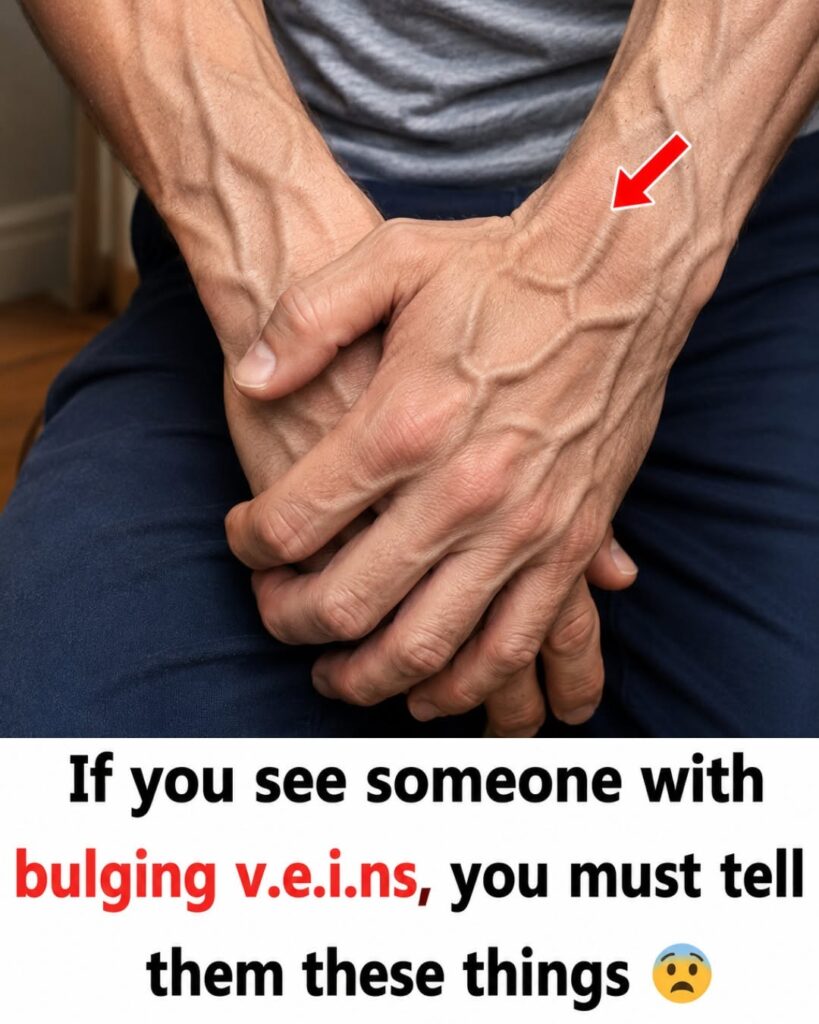
Visible veins can suddenly appear on your arms, hands, or legs and leave you wondering if it’s a sign of something serious or actually a positive change in your body. Many people feel anxious when they notice visible veins for the first time, worrying that it could mean poor circulation, aging too fast, or even a hidden health issue that might affect their daily life and confidence. The good news is that understanding what visible veins truly indicate can ease that worry and help you take simple steps to support your vascular health before any concerns grow.
 Why Visible Veins Often Appear – And Why It Can Feel Alarming
Visible veins become more noticeable when the layer of fat under your skin thins out or when blood flow increases, making many young adults and athletes stop and question their overall wellness. The sudden appearance of visible veins can trigger stress about whether your body is changing for the better or signaling trouble ahead, especially if you’ve been working hard on fitness goals. Experts note that visible veins are frequently linked to lifestyle factors that you can actually control.
The Fitness Connection: Visible Veins as a Sign of Low Body Fat and Muscle Definition
Visible veins are often celebrated in fitness circles because they frequently appear when you have low body fat combined with good muscle mass from regular training. Many people feel proud yet still concerned when visible veins show up after months of workouts, wondering if the look is healthy or just temporary. Research from exercise physiology sources confirms that visible veins in the arms and shoulders commonly result from reduced subcutaneous fat, which lets the veins sit closer to the surface and creates that vascular look many athletes chase.
Other Everyday Reasons Visible Veins Become Prominent
Visible veins can also show up due to genetics, fair or thin skin, and natural aging, which thins the skin over time and makes veins easier to see. This can leave some individuals feeling self-conscious about visible veins even when they are perfectly healthy and active. Heat, dehydration, or even a tough workout session can temporarily make visible veins pop more, adding to the confusion about what your body is trying to communicate.
When Visible Veins Might Signal Something More Serious
Visible veins that bulge, feel painful, or appear suddenly on the legs may point to varicose veins or early venous insufficiency rather than just fitness gains. The worry of visible veins turning into discomfort or swelling can keep people up at night, fearing long-term circulation problems that could limit mobility or require medical attention. Medical experts emphasize checking visible veins if they come with aching, heaviness, or skin changes, as these could indicate valves in the veins are not working optimally.
Key Factors That Make Visible Veins Stand Out
Several common triggers can increase the visibility of visible veins across different parts of the body:
- Low body fat from consistent exercise or diet changes
- Regular strength training that builds muscle and boosts blood flow
- Genetics and naturally thinner skin
- Temporary effects from heat, exercise, or mild dehydration
- Aging-related thinning of skin layers
Simple Steps to Support Healthy Veins and Feel More Confident
Visible veins don’t have to be a source of ongoing worry once you understand how to care for them. Staying well-hydrated helps maintain normal blood volume so visible veins are less likely to appear exaggerated from dehydration alone. Adding regular movement, elevating legs when resting, and choosing balanced meals rich in fiber and antioxidants can all support stronger vein function and reduce any associated discomfort from visible veins.
Here are practical daily habits that many people use to manage visible veins effectively:
- Drink at least 2–3 liters of water daily to prevent dehydration-related visibility
- Incorporate 30 minutes of walking or leg exercises to improve circulation
- Wear compression socks if you stand a lot or notice leg visible veins
- Maintain a healthy weight to avoid extra pressure on veins
- Elevate your legs for 15 minutes after long periods of sitting or standing
A Balanced View: Visible Veins Are Usually Harmless – But Listen to Your Body
Visible veins are often just your body showing the results of being leaner or more active, and most people find peace once they realize it’s not automatically a red flag. Still, paying attention to changes in visible veins can prevent unnecessary anxiety and help you catch any real issues early. The key is knowing when visible veins are a normal part of your fitness journey versus when they deserve a quick check with a professional.
Frequently Asked Questions About Visible Veins
Does having visible veins always mean you have low body fat?
Visible veins frequently appear with lower body fat and higher muscle definition, but genetics and skin type also play a big role, so they don’t guarantee a specific fitness level.
Are visible veins on the legs the same as on the arms?
Visible veins on the arms are usually harmless and linked to fitness, while visible veins on the legs that bulge or ache may indicate varicose veins and benefit from medical evaluation.
Can I make visible veins less noticeable without losing muscle?
Yes – staying hydrated, maintaining steady weight, and using compression can help reduce the prominence of visible veins while you keep your hard-earned muscle gains.
This article is for informational purposes only and is not a substitute for professional medical advice. Always consult your doctor for personalized guidance regarding visible veins or any vascular concerns.